






Manila Bulletin
 Philippines
National
Solon's proposed restriction on drones to curb entry of contraband in jails
Philippines
National
Solon's proposed restriction on drones to curb entry of contraband in jails
Philippines
National
Solon's proposed restriction on drones to curb entry of contraband in jails
Solon's proposed restriction on drones to curb entry of contraband in jails
Published Oct 28, 2025 10:40 pm


At A Glance
- Parañaque 2nd district Rep. Brian Raymund Yamsuan says the operation of drones and other unmanned aerial vehicles (UAVs) within and near jails should be outlawed, for a very practical reason.
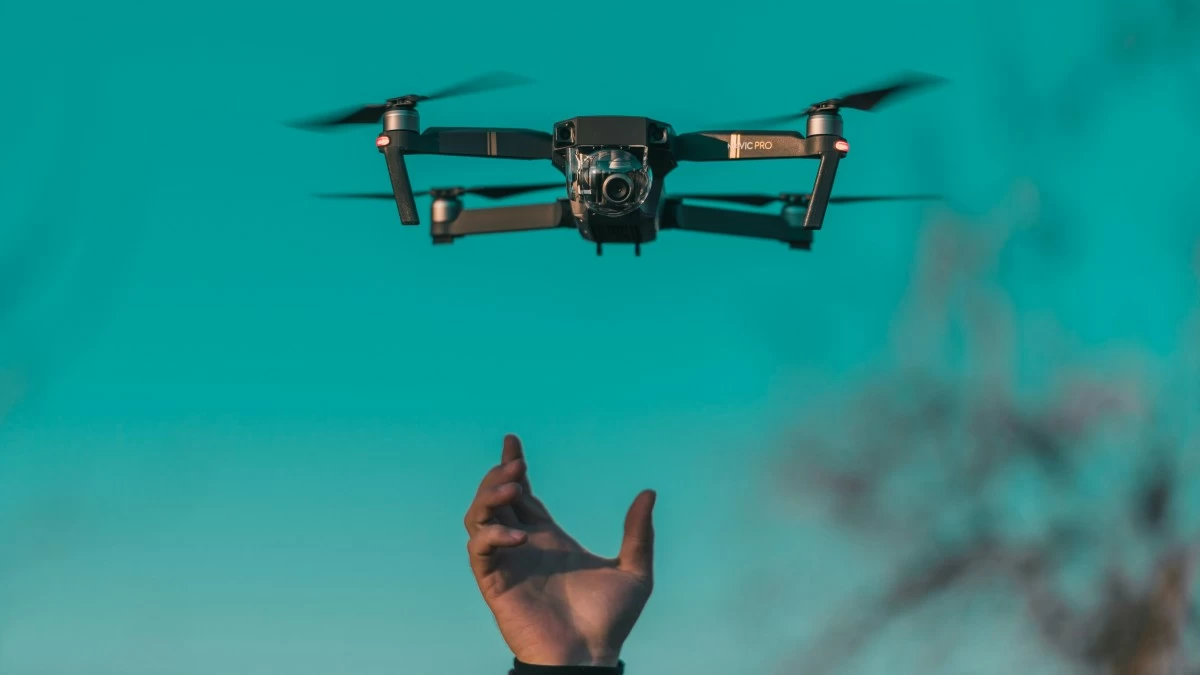
(Unsplash)
Parañaque 2nd district Rep. Brian Raymund Yamsuan says the operation of drones and other unmanned aerial vehicles (UAVs) within and near jails should be outlawed, for a very practical reason.
According to the former Department of the Interior and Local Government (DILG) assistant secretary, this proposed prohibition on drones will prevent the smuggling of contraband and other security risks to the country’s penal facilities.
The proposal is embodied in House Bill (HB) No.4797 or the proposed Drone-Free Jails Act, which aims to ban the use of UAVs and provide penalties for their illegal use within a 100-meter radius from jail facilities.
An exemption to this rule is when UAVs are used for custodial security purposes, and during emergency cases in which the Civil Aviation Authority of the Philippines (CAAP) can issue a permit with the consent of jail officials.
“While drones serve legitimate purposes in commerce and recreation and even in checking the progress of government infrastructure projects, they can also be misused and abused to commit crimes. Ang pagpasa ng panukalang batas na ito ay magpapalakas sa seguridad ng ating mga piitan at makakatulong para mapanatiling ligtas at payapa ang ating mga komunidad,” explained Yamsuan.
(The passage of this bill will strengthen the security of jail facilities and help keep our communities safe and peaceful.)
“UAVs like drones can both be assets and liabilities depending on their use. Near or inside the vicinity of penal facilities, they can be used to conduct illegal surveillance and bring in contraband like drugs, mobile phones, or even guns. Its authorized use by jail authorities, on the other hand, can help monitor the movement of persons deprived of liberty [PDLs] and help recapture escapees,” he added.
He cited an incident two months ago in Batangas where PDLs who escaped from the provincial jail were swiftly tracked and apprehended with the aid of drones equipped with thermal imaging and night vision.
But Yamsuan said officials of the DILG’s Bureau of Jail Management and Penology (BJMP) have also reported seeing drones flying toward jails, possibly to transport contraband or conduct surveillance which compromise the security and safety of these facilities.
Several government units such as the cities of Batangas, San Juan, Baguio, Valenzuela and Mandaluyong have passed ordinances banning the use of UAVs near or within jails.
“Enacting HB 4797 will ensure that these prohibitions stay and implemented nationwide,” Yamsuan said.
The measure says that “It shall be unlawful for any person to operate an [UAV], such as but not limited to drones, and other similar aerial vehicles, whether for commercial, hobbyist or any other purposes, within a one hundred (100) meter radius from jail facilities, except in emergency cases where the CAAP issued a permit to operate with the consent of the jail authority or for custodial security purposes of the Jail Facility.”
The CAAP is tasked under the bill to periodically update and publish safety regulations and restrictions on drone usage to include the prohibition of drone operations within the vicinity of jails.
If the bill becomes a law, any person found guilty of violating the prohibition will be penalized with fines ranging from P50,000 to P200,000 or imprisonment of one year, or both.
Confiscated drones shall be turned over to the CAAP for proper disposal within 15 days upon the termination of the case filed against the violator as provided under the measure.