







Ikebana with an indigenous touch
'Buklod Mangyan' highlights the tribe's simplicity and resilience
By Poch Eulalia
Published Oct 28, 2025 12:14 pm


At A Glance
- Stories were shared of how, in times of needing to move during times of conflict, they would leave behind most possessions without second thought.

To truly know a nation’s history, we must look to the practices of our indigenous folk.
For generations, they have kept the spirit of our oldest traditions alive. Even as the spread of colonization threatened the removal of our original identities, there are those who managed to keep them going. Among them are the Mangyan, whose works and culture were highlighted at the recent “Buklod Mangyan” exhibit held at the Arya Condominium in Bonifacio Global City.
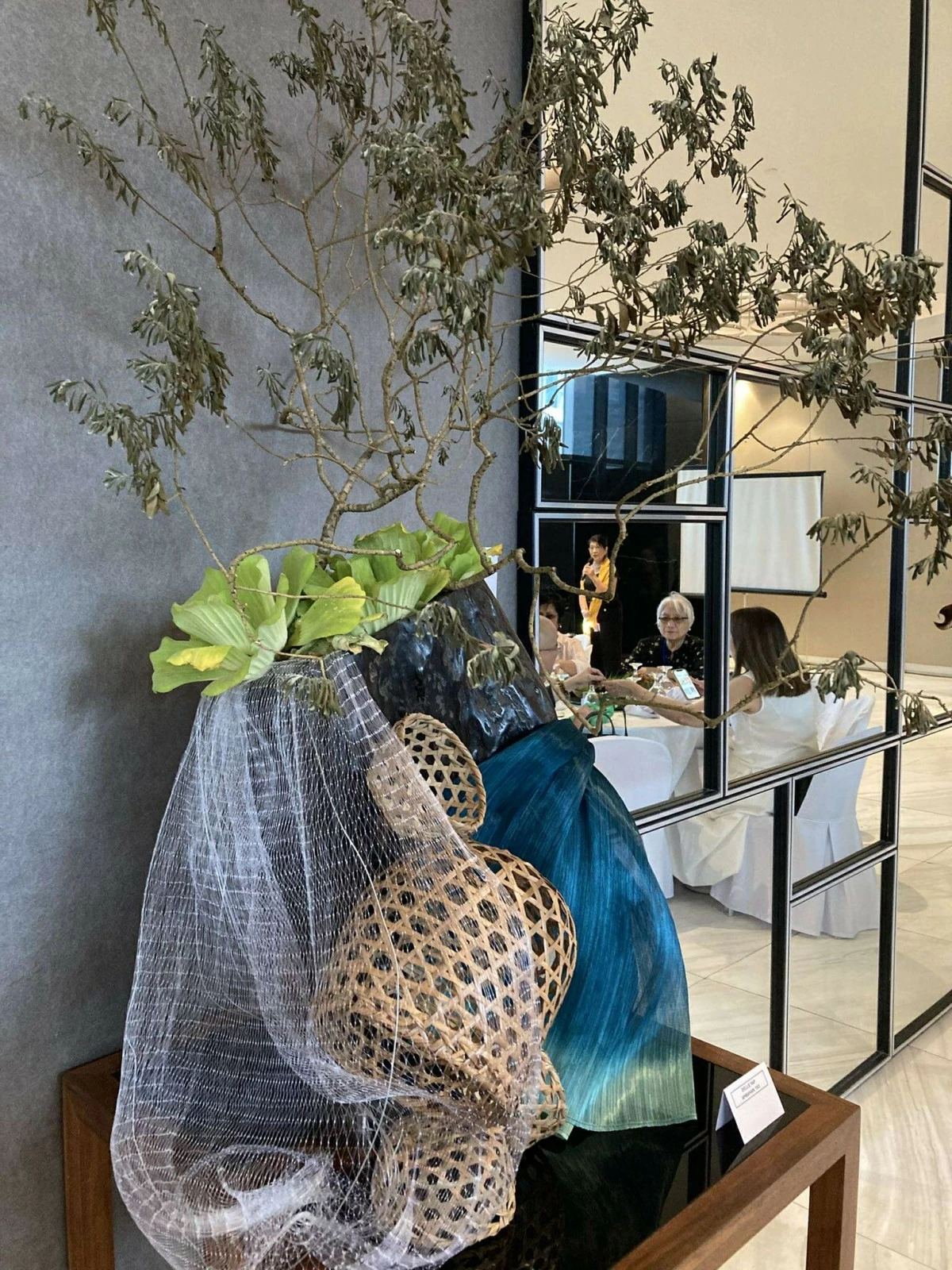
REMEMBER THE SEA Dellie Yap's take on Ambahan 153, recounting the stories of how Mangyan were once a coastal tribe and had skilled fishermen
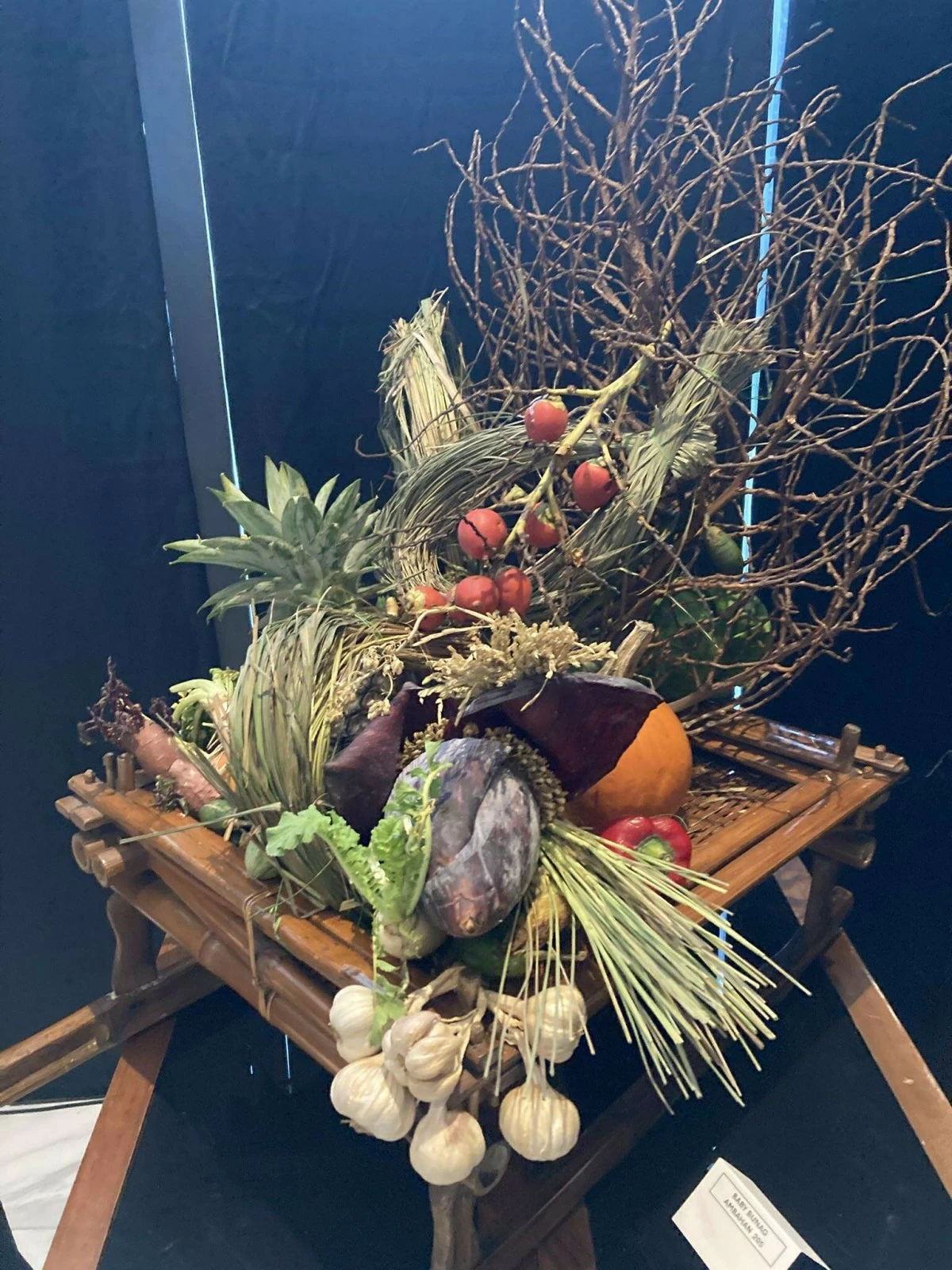
LONG DISTANCE TIES Ambahan 205, as presented by Baby Bunag, shows the lament of a Mangyan whose friend lives too far away
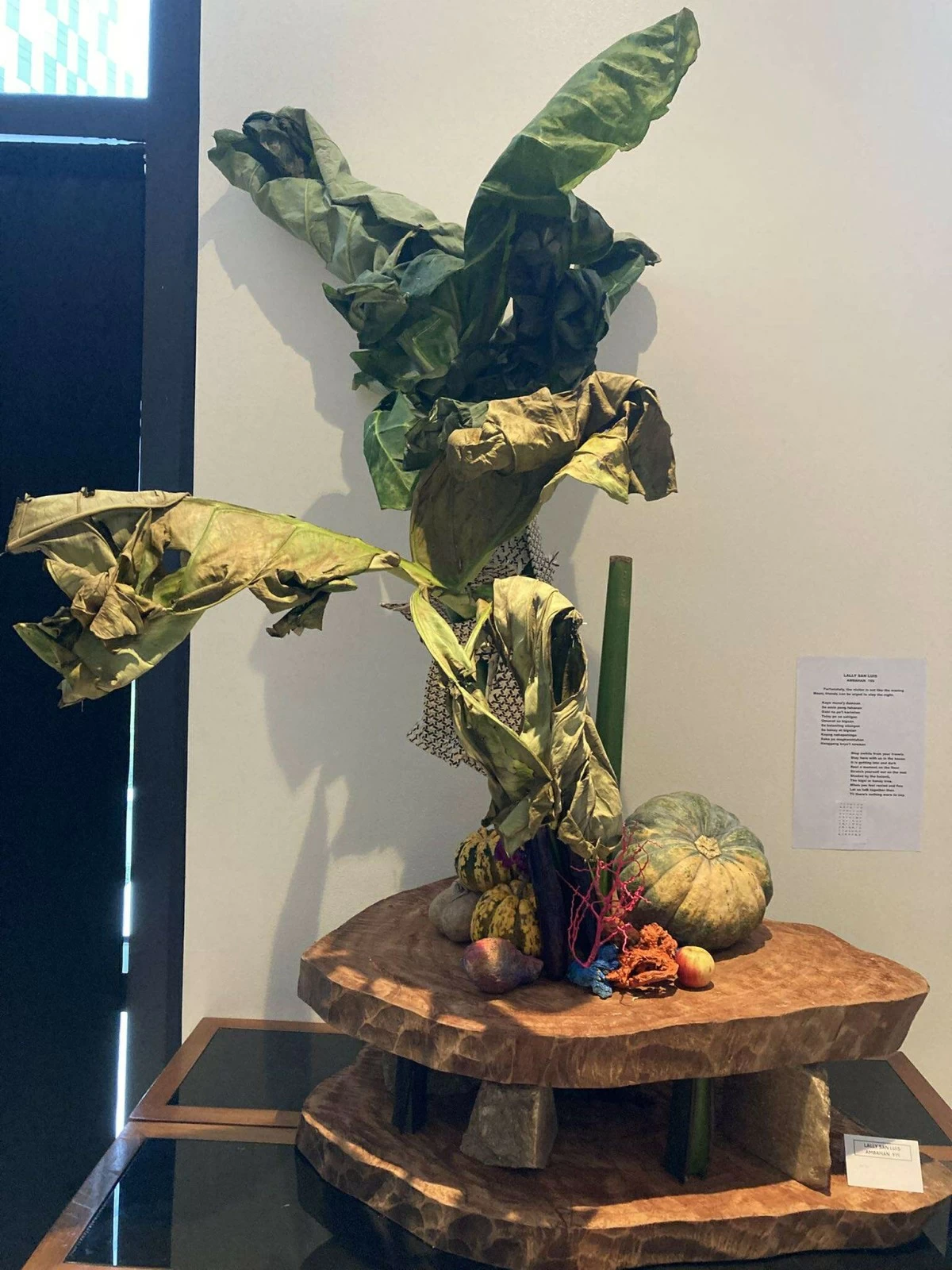
STAY THE NIGHT Lally San Luis shows how friends can be urged to stay longer for their take on Ambahan 199
Once known as coastal people, they retreated to the mountains of Mindoro to avoid war during the colonizers’ invasion. It is said that the Mangyan prefer peace over conflict and would rather drop everything and leave than engage in war. As they moved along, they would carry with them only their practices, showing how easily detached they are from material possessions. Over the years, the Mangyan have managed to preserve much of their culture through their songs and poetry. These very poems served as inspiration for the floral displays featured in “Buklod Mangyan.”
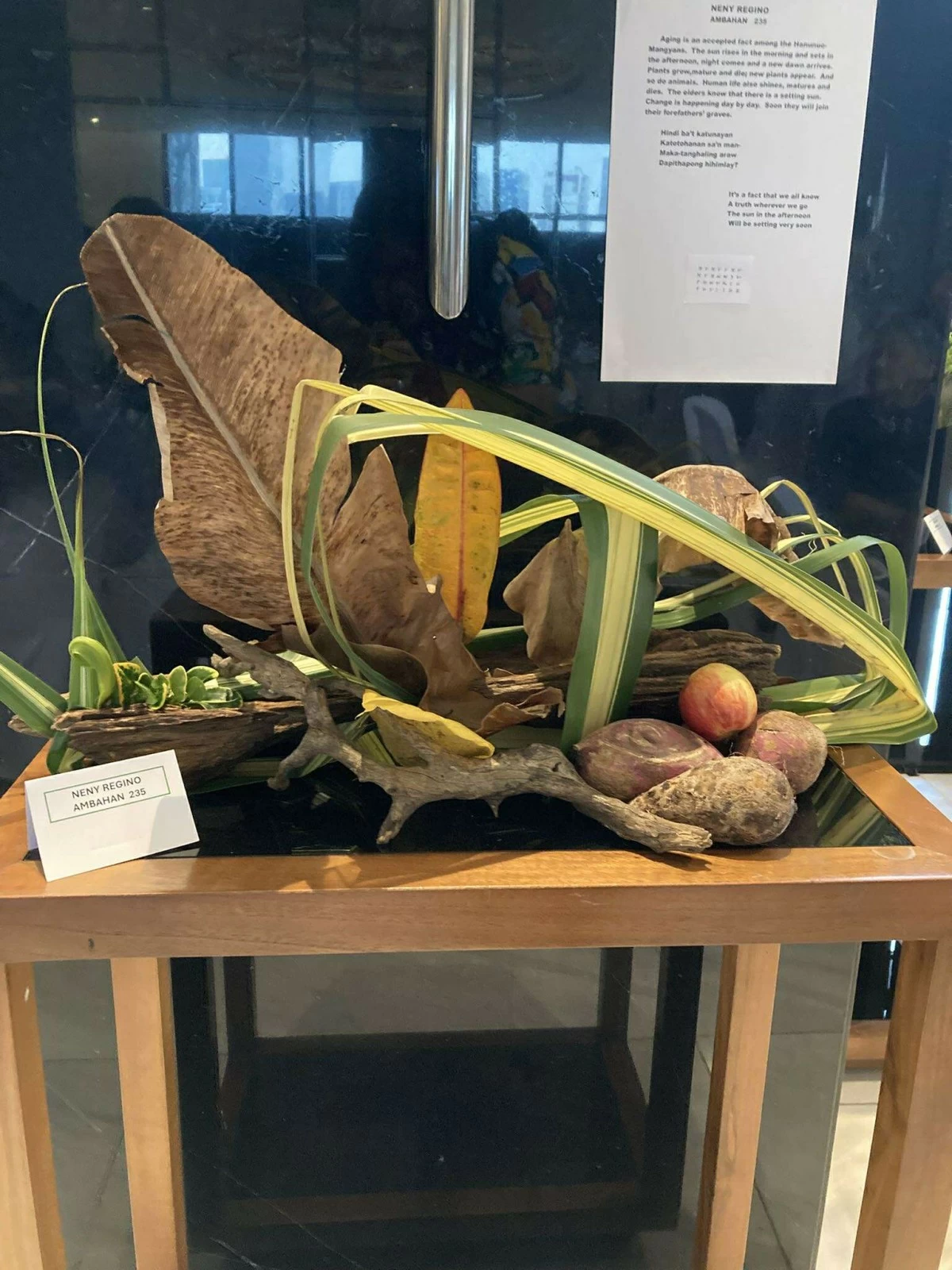
AGING GRACEFULLY Neny Regino's take on Ambahan 235 shows us the beauty of growing old
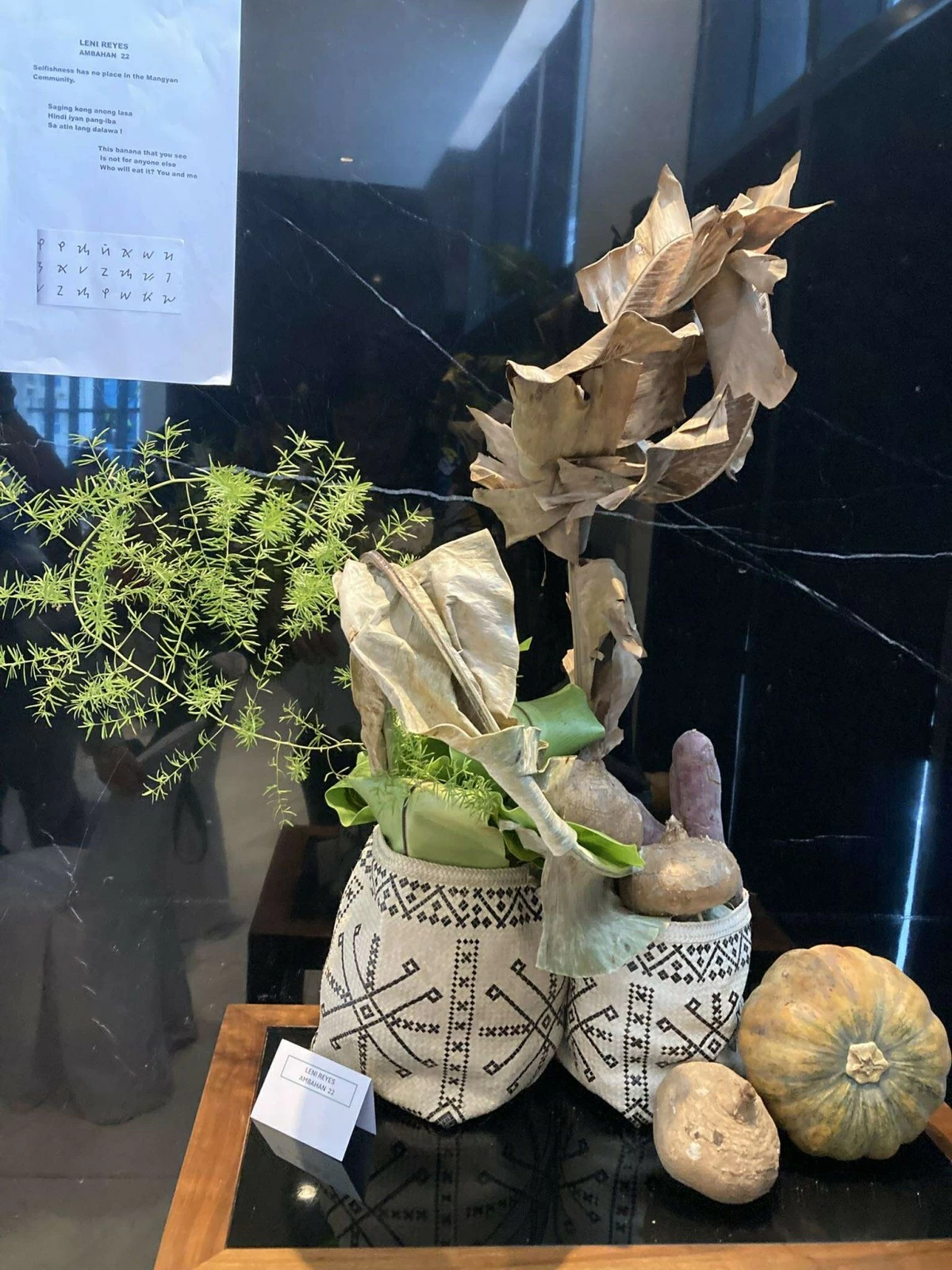
TOGETHER WE STAND Leni Reyes' take on Ambahan 22, a line that emphasizes there is no place for selfishness in the tribe
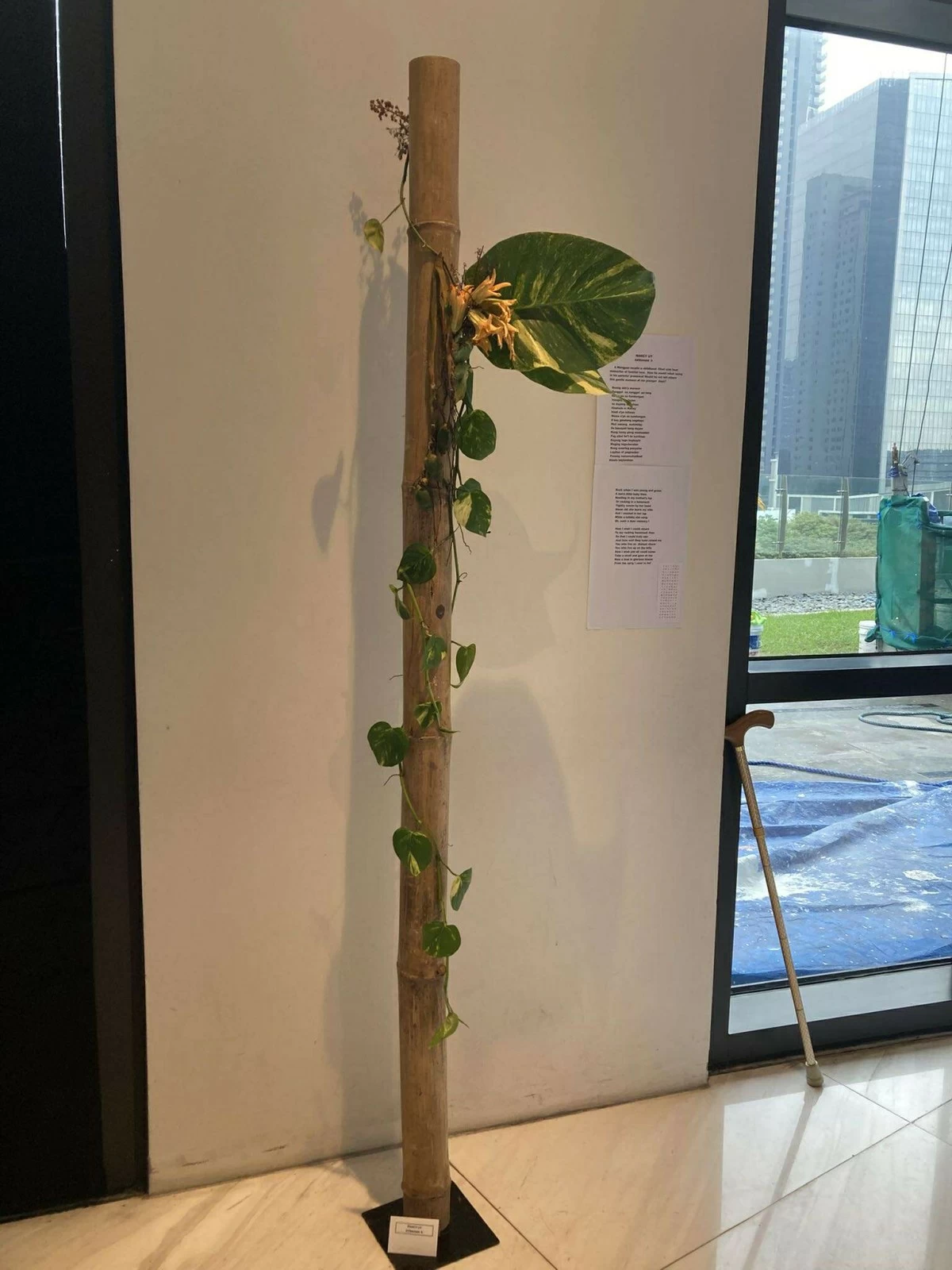
REMEMBER THE TIMES Nancy Uy's take on Ambahan 6, which follows the story of a Mangyan recalling their childhood roots
Presented were the Ikebana arrangements of Editha Buñag, Imelda Elido, Laly Etroit, Marie Constance Gonzalez, Cynthia Heussaff, Julita Morales, Neny Regino, Leni Reyes, Nancy Hsu Uy, and Dellie Yap. Most of the items used for the art pieces were made using crops and plants readily available in their backyards. Root crops like squash, sweet potatoes, and ginger were a common sight, as we had been told that these were the plants commonly planted by the Mangyan for livelihood. Each work corresponded with lines from poems compiled in “Bamboo Whispers: Poetry of the Mangyans.”
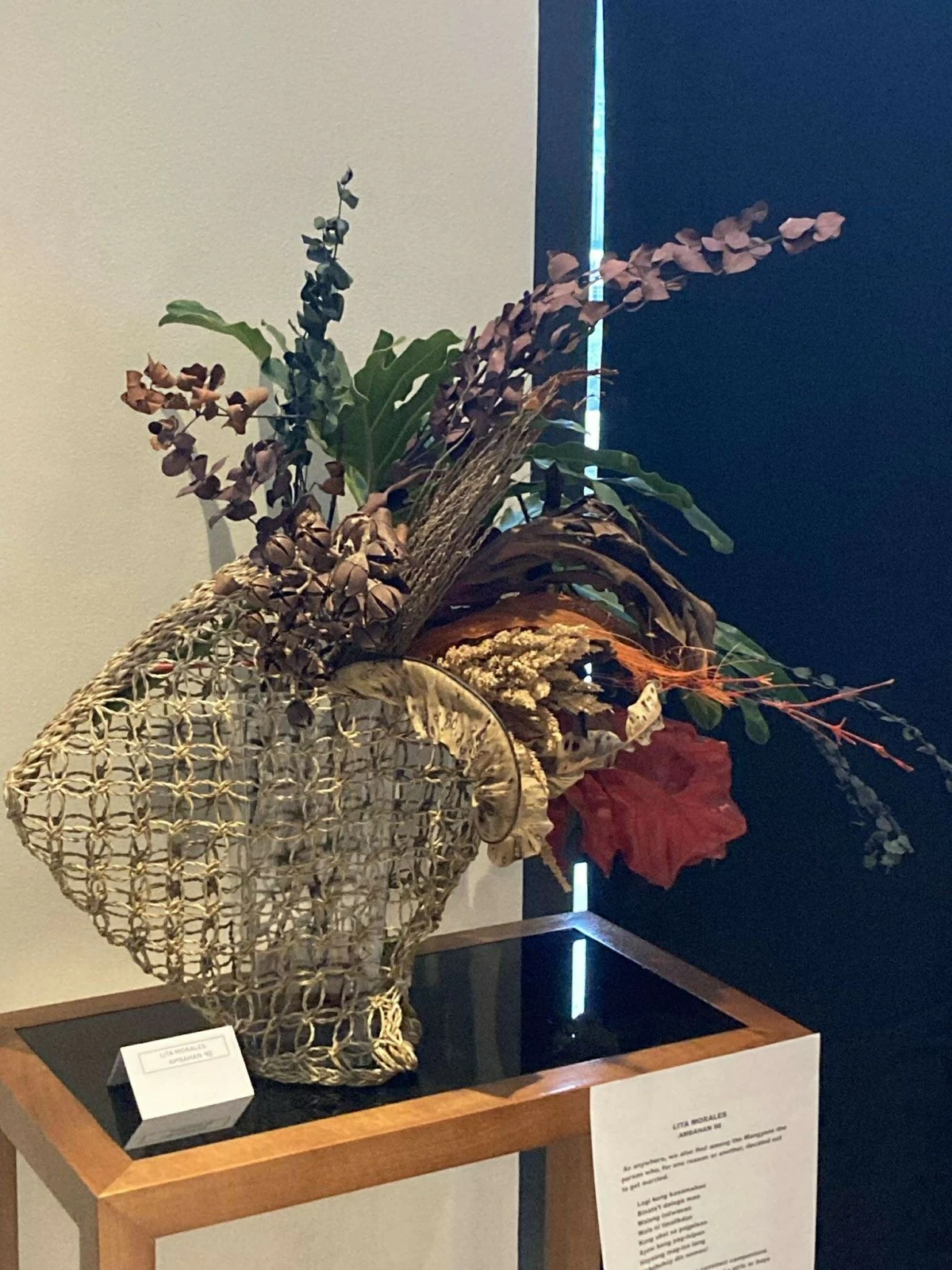
SINGLE LIFE A Mangyan who chooses not to marry is the focus of Ambahan 98, as presented by Lita Morales
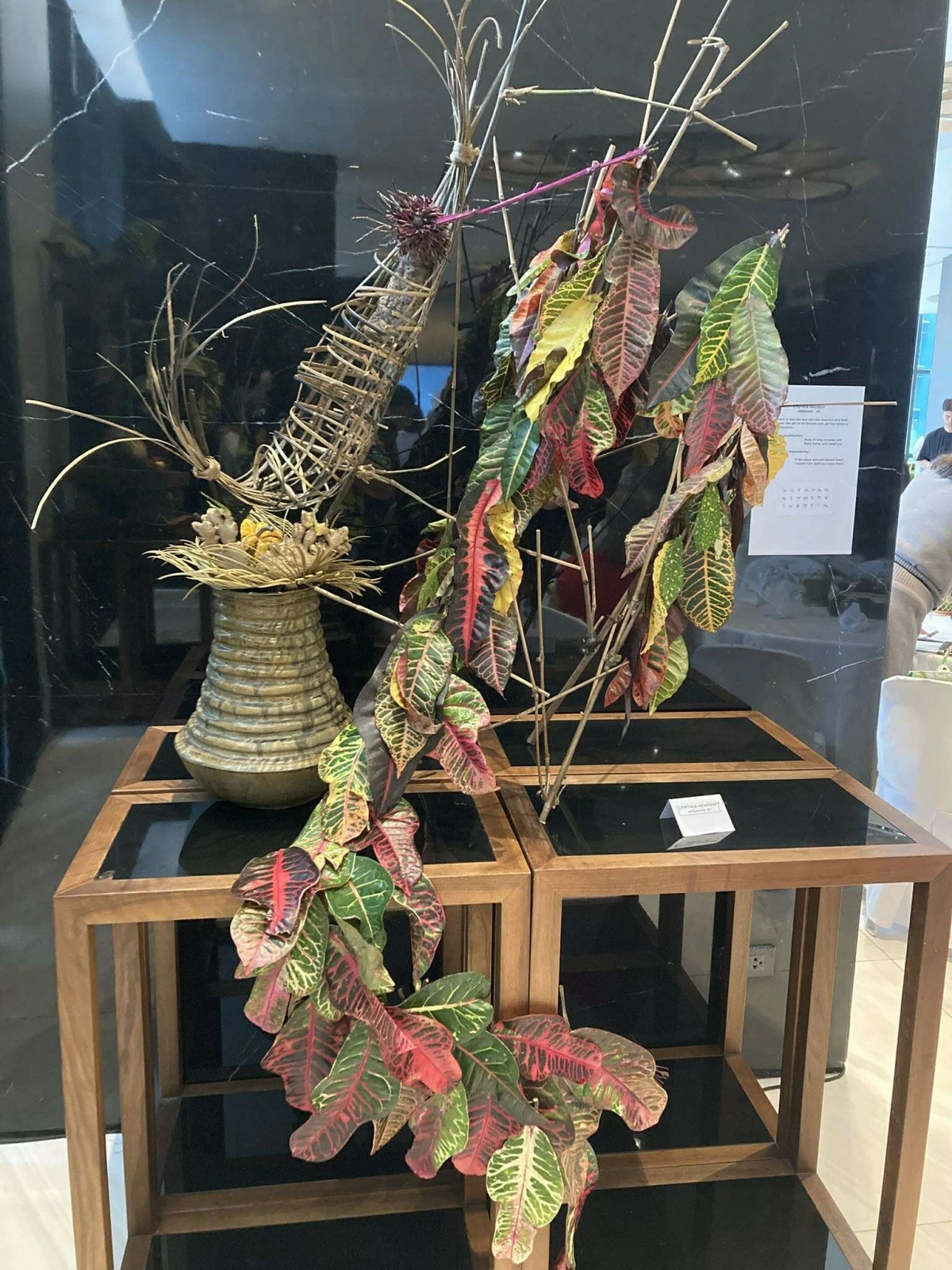
YEARNING OF THE HEART Ambahan 99, as presented by Cynthia Heuseff, shares the story of a suitor who fails to woo the girl of his dreams
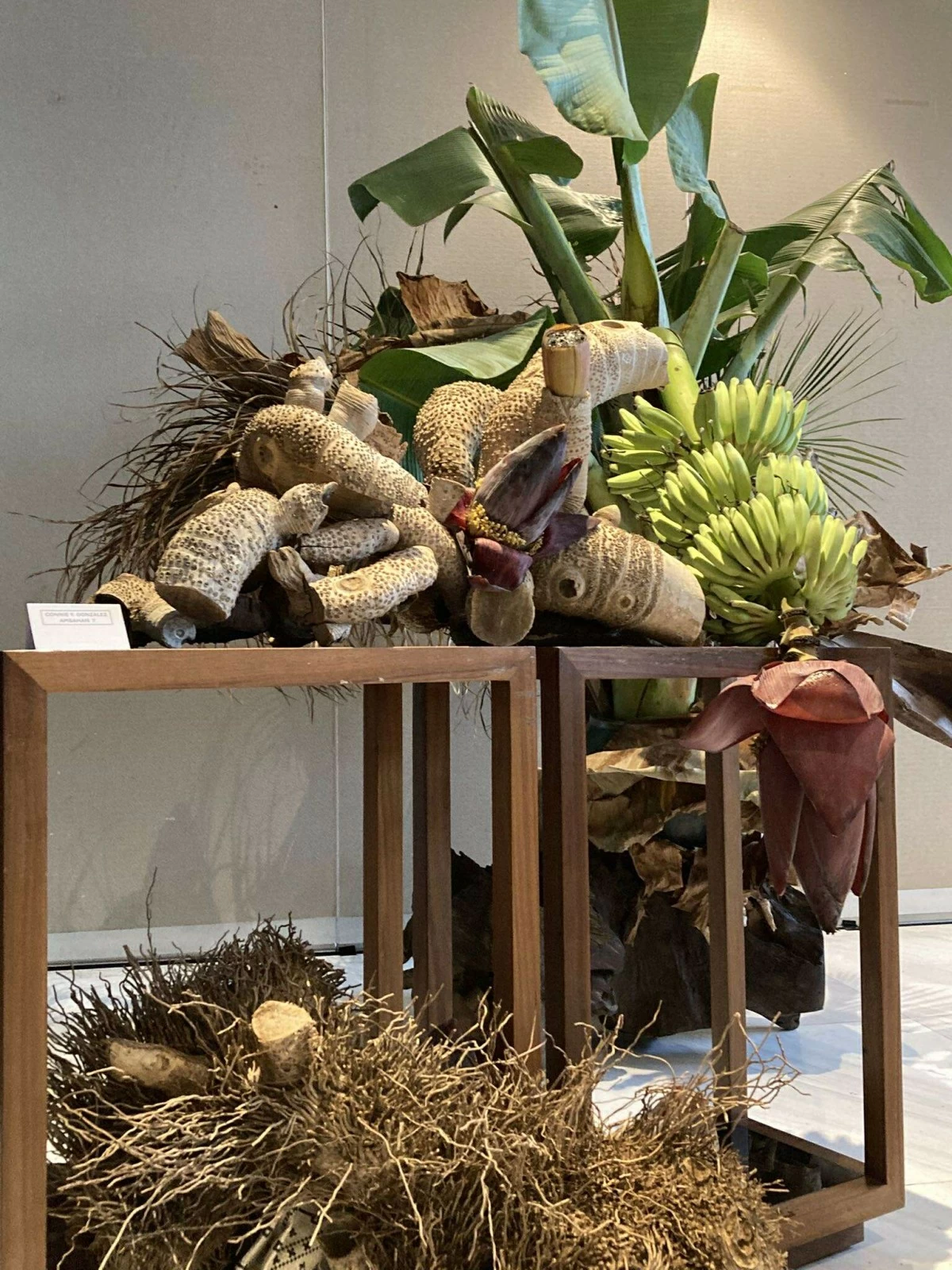
TOUGH LOVE Connie Y. Gonzalez' take on Ambahan 7 follows the story of the hard lessons children must go through
A common sentiment among the artists appeared to be the appreciation for the simple life of the Mangyan. Stories were shared of how, in times of needing to move during times of conflict, they would leave behind most possessions without second thought. All they would bring with them are their families and their stories. True enough, their stories continue to live on through these types of exhibits. Though some also lamented over how younger Mangyan are starting to lose touch with learning some traditional practices, preferring to spend time online and on their phones. There are hopes, however, that by continuously talking about their stories and sharing their culture that the Mangyan tradition can live on. Sure enough, the stories and culture that were shared through “Buklod Mangyan” were enough to leave a lasting impression and admiration toward these indigenous tales and practices.