






Manila Bulletin
 Philippines
National
'Delikado tayo': Marcos wants ICI probe to be done right rather than quickly
Philippines
National
'Delikado tayo': Marcos wants ICI probe to be done right rather than quickly
Philippines
National
'Delikado tayo': Marcos wants ICI probe to be done right rather than quickly
'Delikado tayo': Marcos wants ICI probe to be done right rather than quickly
Published Oct 28, 2025 09:57 pm


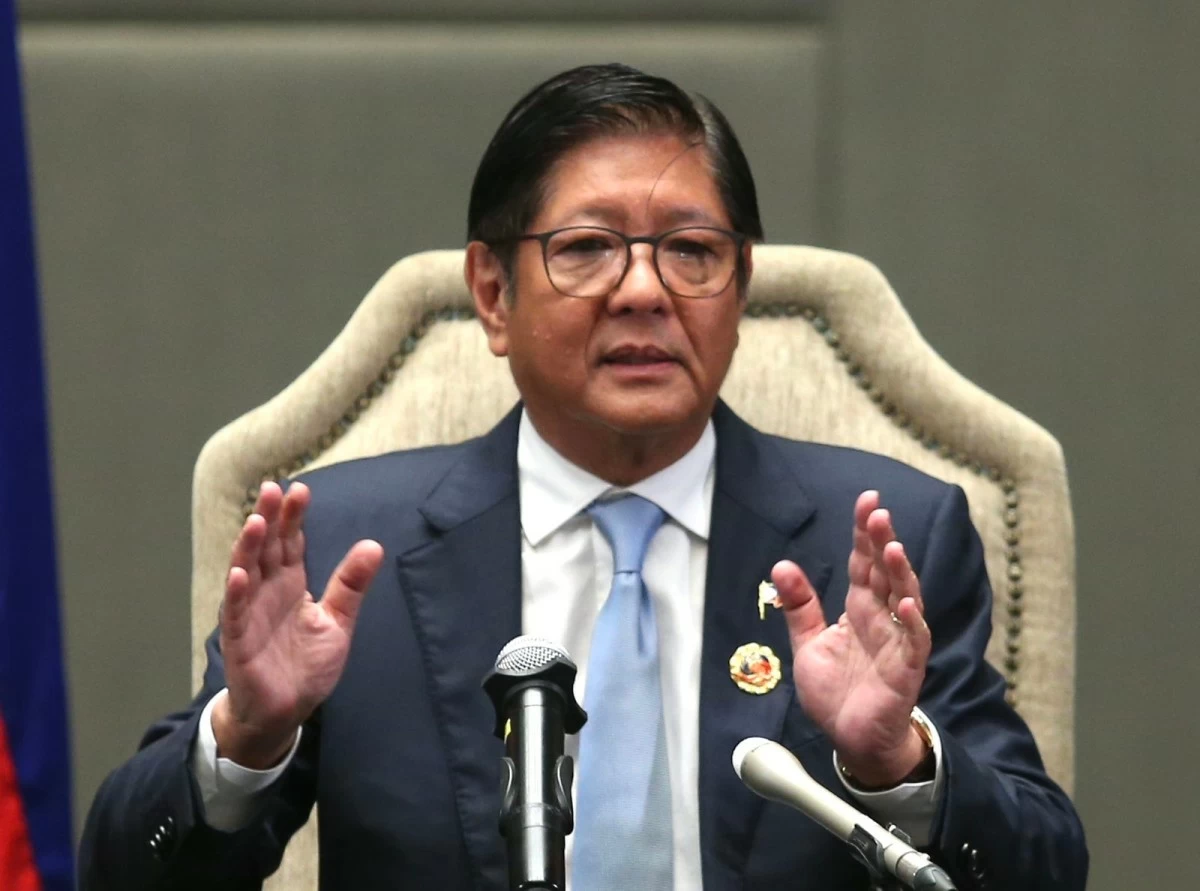
President Ferdinand R. Marcos Jr. holds a post-ASEAN Summit press briefing in Kuala Lumpur, Malaysia on Oct. 28, 2025. (Mark Balmores)
KUALA LUMPUR, Malaysia—"Do you want to get it done quickly or do you want to get it done right?"
This was the question raised by President Marcos when he addressed the growing frustration over the pace of the investigation on the massive flood control corruption.
He said these are the only options available now, stressing that by choosing to undertake the investigation quickly and prematurely file cases it would be a dangerous move.
"That's the choice that we have. So, I understand the frustration because we do have a very good idea about who these people are. But you have to take them to court. You have to present evidence. They have to be convicted," Marcos said in a press briefing on Tuesday night, Oct. 28.
The President pointed out that the Independent Commission for Infrastructure (ICI) only has one chance to bring those behind the flood control corruption to justice.
"I think it's more important that we get one chance at this. Isa lang ang chance natin. We cannot waste that opportunity to bring justice to those people – to bring those people to justice and to bring justice to the Filipino people," Marcos further said.
Marcos said it would be a "much worse result if the investigating body hastily file charges that are not substantial, only to be dismissed later."
"Can you imagine these people who have stolen billions from the government and from the people, nakawala dahil hindi maganda ang pagka-handle ng ebidensiya (were able to escape because the evidence was not handled properly)?" Marcos said.
"That would be much worse result. So, due process must be observed. Alam naman talaga natin kung sino sila. Kaya tiyakin natin na makukulong talaga sila at ang kanilang mga ninakaw ay ibalik sa gobyerno, ibalik sa tao (We all know exactly who they are. So let’s make sure they’re truly jailed and that what they have stolen is returned to the government, to the people),” Marcos stressed.
"Yung nagmamadali? Iyong hindi maaari ‘yan. Delikado tayo. Kaya natin sabihin – sabihin ko sa pulis, dakipin ninyo na ‘yan. Basta ikulong ninyo, bahala na (Those who are rushing? That's not acceptable. We're in danger. So we can say — I'll tell the police, 'arrest them now.' Just put them in jail; let whatever happens after that be)," he added.
Marcos also reminded the people that "we have now moved from the political arena to the legal one" which has very strictly defined procedures.
'We're making sure ICI is truly independent'
Marcos believes that the decision of the ICI to livestream the hearings on flood control mess investigation has no effect on the credibility of the process.
"I don't think it has an effect on the credibility of the process," he said, when asked for his opinion over the recent development. "I think it's a practical matter."
"Will livestreaming help, will it not? So, we will just have to wait for the ICI to make that decision for themselves," he added.
The President also said while he certainly has an opinion over the recent ICI move, he maintained that the government will not interfere with the ICI's decisions.
"I really – I have an opinion, of course, but talagang ang gusto kong makita ng tao, hindi ako nakikialam (I want the people to see that I do not meddle)– the executive, the government, hindi nakikialam diyan (is not interfering them)," he said.
"We provide them a budget and we allow them to run everything the way they want, to hire the people that they want. And the substantial matters are up to them," he further said.
"Let us make sure – we are making sure that they are truly independent. So, those decisions have to be left to them," the President added.
Local political issues don't intrude into ASEAN talks
While corruption scandals in the country looms, Marcos allayed concerns that it would overshadow the Philippines' chairship of the Association of Southeast Asian Nations (ASEAN).
According to Marcos, issues of local corruption do not enter the conversation in ASEAN and it does not affect the direction the regional bloc agrees to take.
"We do not allow those local political issues of any member state to intrude into what we are trying to do. That's my experience so far," Marcos said.
"Hindi kami nakikialam sa ibang bansa (We do not meddle with other countries). We talk about ASEAN. And whatever is happening in other countries who belong to ASEAN, it doesn't really enter into our conversation. It does not make a difference to the directions that we would like to take, the initiatives that we would like to make," Marcos added.
"The only thing that matters to the decision-making process in ASEAN is what each member is willing to do and agrees to do," he further said.
The Chief Executive also said that while all Member States of ASEAN want to combat corruption, it is not the regional bloc's business to interfere with their local affairs.
"Can you imagine if we started telling them what to do? Wala na, sira na yung buong proseso (The entire process would be ruined)," Marcos said.