







Calls mount to retain historic Club Intramuros amid conversion plan
Published Oct 28, 2025 11:35 am
|
Updated Oct 28, 2025 01:15 pm


At A Glance
- The Manila City government's proposal to convert the historic Club Intramuros Golf Course into a public forest park has met strong opposition from stakeholders, heritage advocates and members of the golfing community who are calling for the preservation of the site's cultural, economic and historical value.
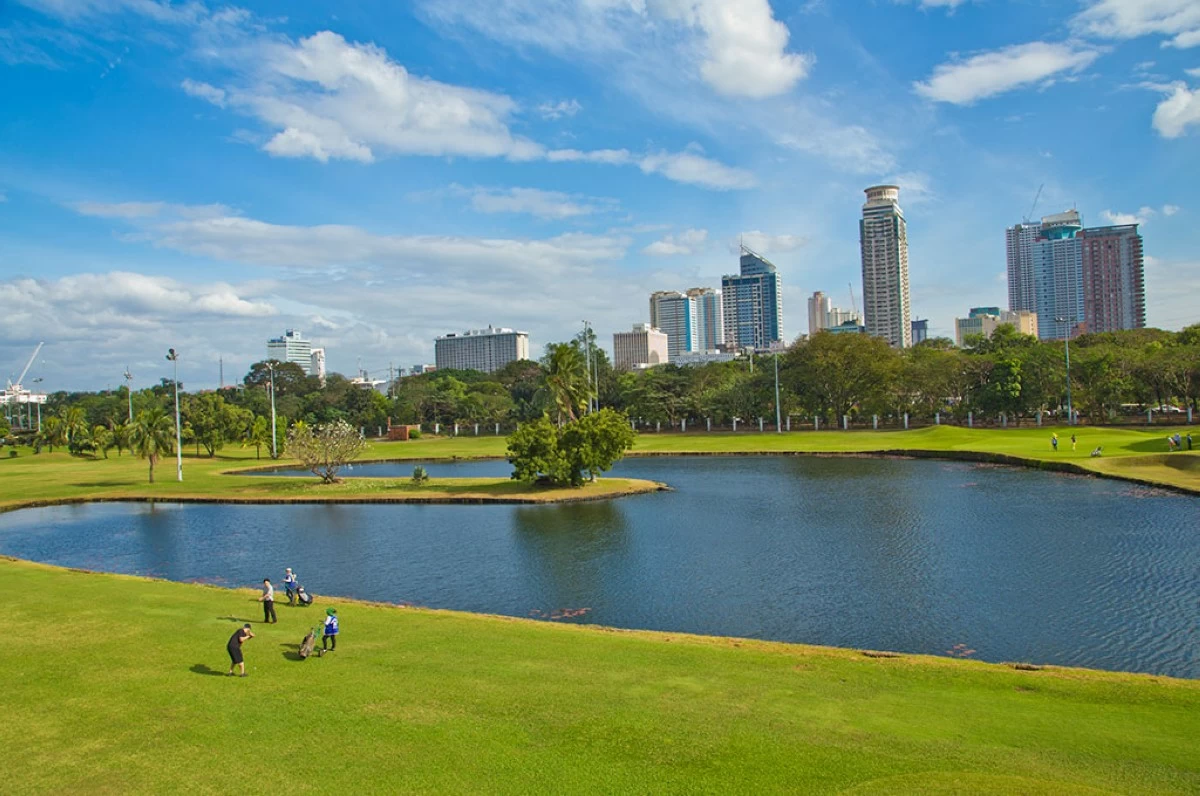
The Manila City government’s proposal to convert the historic Club Intramuros Golf Course into a public forest park has met strong opposition from stakeholders, heritage advocates and members of the golfing community who are calling for the preservation of the site’s cultural, economic and historical value.
The proposed conversion, aimed at providing additional green space in the city, has sparked a petition titled “Save Club Intramuros Golf Course,” which has gained traction among golfers, employees and residents. Petitioners argue that the plan threatens not only jobs and tourism revenue but also a living piece of Manila’s heritage.
In a statement, the petitioners said the golf course represents a “unique part of Manila’s identity” and remains one of the few open-air heritage landmarks within the historic walls of Intramuros.
“We urge that this plan be reconsidered as we believe that the preservation of the golf course is essential not only to our community but to the cultural, economic, and historic identity of the City of Manila,” the group said.
They added that converting the golf course into another park “without thorough consideration” would result in “the loss of a living heritage site and the erasure of decades of history, livelihood, and tradition.”
The petition also highlighted the impact of the proposed closure on employees, caddies and other workers who depend on the golf course for their livelihood.
“The potential closure of Club Intramuros would put these people at risk of losing not only their jobs but also the dignity and stability that come with them,” the statement read.
The course, managed by the Tourism Infrastructure and Enterprise Zone Authority (TIEZA), contributes to the local economy by attracting local and foreign golfers and generating tourism-related revenue. Advocates said this aligns with TIEZA’s mandate to promote sustainable tourism and infrastructure development.
Club Intramuros, known for its short but challenging 18-hole layout, has long served as a venue for junior golf tournaments and a training ground for young athletes. Golfers have described it as an ideal course for sharpening technical skills and decision-making, given its numerous water hazards and narrow fairways.
The recent international victory of Miguel Tabuena has renewed attention to the importance of local golf courses in developing world-class talent. Advocates say venues like Club Intramuros play a vital role in sustaining interest in the sport while also promoting recreation and wellness among citizens.
The Manila City government said the conversion into a forest park aims to provide additional open spaces for public use, citing the course’s underutilization. The plan would reportedly complement efforts to expand the city’s green infrastructure and promote environmental sustainability.
Critics, however, have questioned the necessity of the project, noting that Rizal Park (Luneta) – one of the largest urban parks in Southeast Asia – is located only a few meters away. They argue that Club Intramuros already functions as a green lung within the Walled City while also preserving a historic landscape.
Located along Bonifacio Drive, Club Intramuros occupies what was once the moat surrounding the Spanish-era walled city. During the American colonial period, the area was converted into a sunken garden and later redeveloped as a golf course known as the Manila Municipal Golf Links.
The city government took over its management in the 1930s, expanding it into a full 18-hole course. The facility was transferred to TIEZA (then the Philippine Tourism Authority) in 1981 during the administration of President Ferdinand Marcos Sr.
Renovation works led by noted golf designer Andy Dye were undertaken during the term of President Fidel Ramos, an avid golfer who supported the modernization of the course.
Today, Club Intramuros stands as one of the oldest golf courses in the Philippines – perhaps second only to the Iloilo Golf and Country Club in Santa Barbara – and remains a popular destination for both locals and expatriates.
The final decision on the proposed conversion reportedly rests with President Ferdinand “Bongbong” Marcos Jr., who is expected to review the project’s merits and the concerns raised by stakeholders.
While the petitioners expressed support for environmental initiatives and the creation of more green spaces, they urged the government to consider alternatives such as modernization or eco-friendly integration, rather than full conversion.
“Instead of erasing the golf course, we urge stakeholders to consider improvement, modernization, or integration of sustainable practices – without sacrificing the heritage and economic benefits it already provides,” the statement said.
For now, the fate of Club Intramuros remains uncertain – suspended between the push for greener public spaces and the growing call to protect a century-old symbol of Manila’s cultural and sporting history.