

ADVERTISEMENT

Peso sinks to all-time low of ₱59.13

Published Oct 28, 2025 01:50 pm

At A Glance

  • Even as the Philippine peso continued to fall to the ₱59 level amid the infrastructure spending controversy, the Bangko Sentral ng Pilipinas (BSP) remained unbothered by the peso's weakness but assured that it has sufficient United States (US) dollar stock to intervene in the rising foreign exchange (forex) rate.
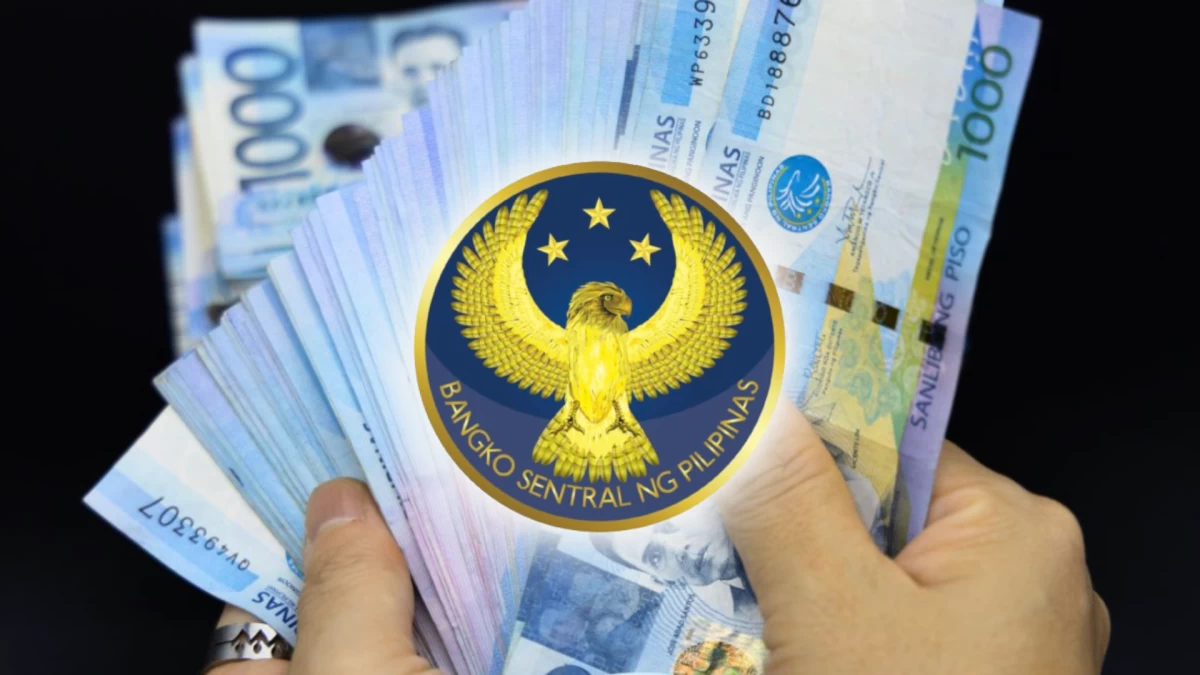
Even as the Philippine peso continued to fall to its weakest-ever level of ₱59.13 against the United States (US) dollar amid the infrastructure spending controversy, the Bangko Sentral ng Pilipinas (BSP) remained unbothered by the peso’s weakness but assured that it has sufficient US dollar stock to intervene in the rising foreign exchange (forex) rate. (See related News in Brief story)
“We continue to maintain robust reserves,” the BSP said in a statement on Tuesday, Oct. 28, adding that it will not intervene in the forex direction unless the peso sharply loses footing against the US dollar.
“When we do participate in the market, it is largely to dampen inflationary swings in the exchange rate over time rather than to prevent day-to-day volatility,” the BSP said, noting that it now allows the exchange rate to be determined by market forces.
According to the central bank, the recent drop in the local currency could mean that the market may be reacting to the potential moderation in economic expansion, partly due to the flood control mess.
It added that heightened expectations that the BSP will further reduce key borrowing costs—which the central bank recently trimmed to a three-year low of 4.75 percent—come against the backdrop of governance concerns about the flood control scandal.
To note, the peso continued to weaken on Tuesday, Oct. 28, after hitting ₱58.9:$1 on Monday, Oct. 27—its weakest level in more than 10 months or since Dec. 19, 2024, when it closed at ₱59:$1.
According to the Bankers Association of the Philippines (BAP), the local currency reached an intraday low of ₱59.2 and a high of ₱58.9, which was also its opening rate against the greenback.
Reyes Tacandong & Co. senior adviser Jonathan Ravelas said uncertainties related to trade negotiations between the Philippines and the US pushed the forex rate higher.
John Paolo Rivera, senior research fellow at state policy think tank Philippine Institute for Development Studies (PIDS), said the peso’s depreciation “signals pressure from a mix of global and domestic factors, namely delayed rate cuts abroad, a surprise policy-rate easing by the BSP that may have spooked markets, and persistent risk-off sentiment tied to governance and external shocks.”
To recall, the central bank decided to reduce key borrowing costs by another quarter of a point to 4.75 percent earlier this month.
Despite the BSP’s unchanged stance, Oikonomia Advisory and Research Inc. economist Reinielle Matt Erece said the central bank could intervene against the growing strength of the US dollar “by selling off dollar reserves to keep the exchange rate from reaching ₱60:$1.”
Erece noted that while the dovish stance of the US Federal Reserve (Fed) is seen to lift the peso, “continued pessimism toward the Philippine market due to corruption and economic growth concerns has sparked more dollar outflows. This is causing the peso to fall.”
Looking ahead, Rivera expects the forex rate to remain in the ₱58.5-₱59.5 range against the US dollar as markets await clearer signals from the Fed, incoming trade data, and the country’s external-sector flows.
He said a rebound toward ₱56.5-₱57.5 against the greenback in the medium term remains feasible, “assuming improved external receipts, stable remittances, and stronger policy credibility.”
ADVERTISEMENT
.most-popular .layout-ratio{ padding-bottom: 79.13%; } @media (min-width: 768px) and (max-width: 1024px) { .widget-title { font-size: 15px !important; } }

{{ articles_filter_1561_widget.title }}

.most-popular .layout-ratio{ padding-bottom: 79.13%; } @media (min-width: 768px) and (max-width: 1024px) { .widget-title { font-size: 15px !important; } }

{{ articles_filter_1562_widget.title }}

.most-popular .layout-ratio{ padding-bottom: 79.13%; } @media (min-width: 768px) and (max-width: 1024px) { .widget-title { font-size: 15px !important; } }

{{ articles_filter_1563_widget.title }}

{{ articles_filter_1564_widget.title }}

.mb-article-details { position: relative; } .mb-article-details .article-body-preview, .mb-article-details .article-body-summary{ font-size: 17px; line-height: 30px; font-family: "Libre Caslon Text", serif; color: #000; } .mb-article-details .article-body-preview iframe , .mb-article-details .article-body-summary iframe{ width: 100%; margin: auto; } .read-more-background { background: linear-gradient(180deg, color(display-p3 1.000 1.000 1.000 / 0) 13.75%, color(display-p3 1.000 1.000 1.000 / 0.8) 30.79%, color(display-p3 1.000 1.000 1.000) 72.5%); position: absolute; height: 200px; width: 100%; bottom: 0; display: flex; justify-content: center; align-items: center; padding: 0; } .read-more-background a{ color: #000; } .read-more-btn { padding: 17px 45px; font-family: Inter; font-weight: 700; font-size: 18px; line-height: 16px; text-align: center; vertical-align: middle; border: 1px solid black; background-color: white; } .hidden { display: none; }
function initializeAllSwipers() { // Get all hidden inputs with cms_article_id document.querySelectorAll('[id^="cms_article_id_"]').forEach(function (input) { const cmsArticleId = input.value; const articleSelector = '#article-' + cmsArticleId + ' .body_images'; const swiperElement = document.querySelector(articleSelector); if (swiperElement && !swiperElement.classList.contains('swiper-initialized')) { new Swiper(articleSelector, { loop: true, pagination: false, navigation: { nextEl: '#article-' + cmsArticleId + ' .swiper-button-next', prevEl: '#article-' + cmsArticleId + ' .swiper-button-prev', }, }); } }); } setTimeout(initializeAllSwipers, 3000); const intersectionObserver = new IntersectionObserver( (entries) => { entries.forEach((entry) => { if (entry.isIntersecting) { const newUrl = entry.target.getAttribute("data-url"); if (newUrl) { history.pushState(null, null, newUrl); let article = entry.target; // Extract metadata const author = article.querySelector('.author-section').textContent.replace('By', '').trim(); const section = article.querySelector('.section-info ').textContent.replace(' ', ' '); const title = article.querySelector('.article-title h1').textContent; // Parse URL for Chartbeat path format const parsedUrl = new URL(newUrl, window.location.origin); const cleanUrl = parsedUrl.host + parsedUrl.pathname; // Update Chartbeat configuration if (typeof window._sf_async_config !== 'undefined') { window._sf_async_config.path = cleanUrl; window._sf_async_config.sections = section; window._sf_async_config.authors = author; } // Track virtual page view with Chartbeat if (typeof pSUPERFLY !== 'undefined' && typeof pSUPERFLY.virtualPage === 'function') { try { pSUPERFLY.virtualPage({ path: cleanUrl, title: title, sections: section, authors: author }); } catch (error) { console.error('ping error', error); } } // Optional: Update document title if (title && title !== document.title) { document.title = title; } } } }); }, { threshold: 0.1 } ); function showArticleBody(button) { const article = button.closest("article"); const summary = article.querySelector(".article-body-summary"); const body = article.querySelector(".article-body-preview"); const readMoreSection = article.querySelector(".read-more-background"); // Hide summary and read-more section summary.style.display = "none"; readMoreSection.style.display = "none"; // Show the full article body body.classList.remove("hidden"); } document.addEventListener("DOMContentLoaded", () => { let loadCount = 0; // Track how many times articles are loaded const offset = [1, 2, 3, 4, 5, 6, 7, 8, 9, 10]; // Offset values const currentUrl = window.location.pathname.substring(1); let isLoading = false; // Prevent multiple calls if (!currentUrl) { console.log("Current URL is invalid."); return; } const sentinel = document.getElementById("load-more-sentinel"); if (!sentinel) { console.log("Sentinel element not found."); return; } function isSentinelVisible() { const rect = sentinel.getBoundingClientRect(); return ( rect.top < window.innerHeight && rect.bottom >= 0 ); } function onScroll() { if (isLoading) return; if (isSentinelVisible()) { if (loadCount >= offset.length) { console.log("Maximum load attempts reached."); window.removeEventListener("scroll", onScroll); return; } isLoading = true; const currentOffset = offset[loadCount]; window.loadMoreItems().then(() => { let article = document.querySelector('#widget_1690 > div:nth-last-of-type(2) article'); intersectionObserver.observe(article) loadCount++; }).catch(error => { console.error("Error loading more items:", error); }).finally(() => { isLoading = false; }); } } window.addEventListener("scroll", onScroll); });

Sign up by email to receive news.