






Manila Bulletin
 Opinion
Media and Information Literacy: Critical thinking skills to make informed decisions
Opinion
Media and Information Literacy: Critical thinking skills to make informed decisions
Opinion
Media and Information Literacy: Critical thinking skills to make informed decisions
Media and Information Literacy: Critical thinking skills to make informed decisions
Published Oct 26, 2025 12:05 am
|
Updated Oct 25, 2025 02:40 pm


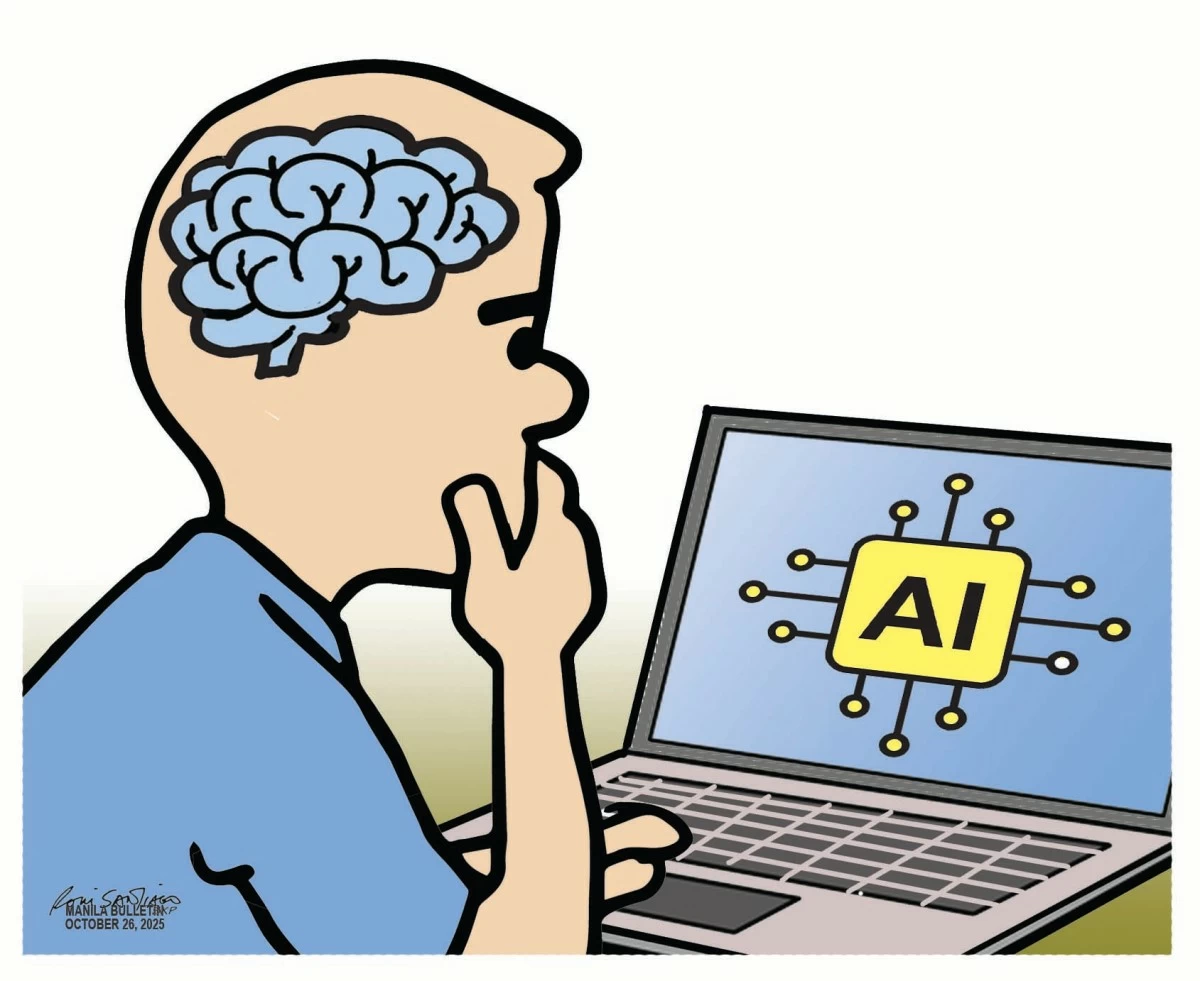
This week, the world turns its attention to a topic of vital importance in our interconnected digital age — the ability to think critically about the sources we rely on, to question the invisible algorithms that shape our online experience, and to make informed decisions in a media environment increasingly driven by automation and artificial intelligence (AI). Under the banner of Global Media and Information Literacy Week (Oct. 24–31), the UNESCO is spotlighting the theme for 2025, “Minds Over AI — MIL in Digital Spaces.”
Media and Information Literacy (MIL) is not a mere addendum to education—it is foundational. According to UNESCO, MIL “encompasses various competencies that enable individuals and groups to navigate today’s information and communications environment. It covers a large spectrum of knowledge, skills, attitudes and values to better search, access, critically evaluate, use and contribute to information and media content.” In other words, it is about understanding our rights and responsibilities in the media landscape, about distinguishing between content that informs and content that manipulates, and about participating actively and responsibly in our information society.
In the digital era, the challenges are formidable. As UNESCO points out: “Media and Information Literacy is key to address the challenges of the 21st century including the proliferation of misinformation and disinformation and hate speech, the decline of trust in media and the transformative impact of digital innovations notably Artificial Intelligence.”
AI technologies are reshaping how information is produced, distributed and consumed. They are not only enabling automated content creation, but also influencing what appears in our news feeds, search results and social media timelines.
The 2025 theme puts human agency front and center: MIL “equips individuals with the critical thinking skills necessary to recognize, evaluate, and responsibly interact with AI-generated content. It empowers people to question sources, understand algorithmic influence, and make informed decisions in a digital environment dominated by automated systems.”
For citizens, the implications are direct and personal. In the Philippines, for example, institutions like the Commission on Human Rights have urged Filipinos to “think critically and act ethically online,” recognizing MIL not just as a technical skill but as a human right in the digital age. The CHR stressed that while many Filipinos enjoy high connectivity, they still struggle to evaluate source credibility, detect manipulation and distinguish reliable journalism from misinformation. The government, schools and civil society must invest in media and AI literacy to protect people from data misuse, discrimination and exploitative practices.
In the Philippines, the call is particularly relevant. With a young and connected population, high social media use and growing exposure to AI-driven platforms, the country must ensure its citizens are not simply passive consumers of information but active, discerning participants. Every time data, images or videos circulate online, every time algorithms decide what we see and what we don’t, the decision to trust or mistrust, to act or withhold, rests upon our competencies in media and information literacy.
There is also a governance dimension. Good governance relies on a capable, informed citizenry. When media literacy is strong, amplified news can hold power to account — exposing corruption, alerting communities to risk, mobilizing social action. But when literacy is weak, misinformation can proliferate unchecked, trust in media and institutions can erode, algorithmic echo-chambers can take hold, and public deliberation can falter.
In this Global MIL Week, the invitation is timely and urgent: let us choose human judgment over algorithmic convenience, thoughtful analysis over automatic likes, informed reflection over passive scrolling.