








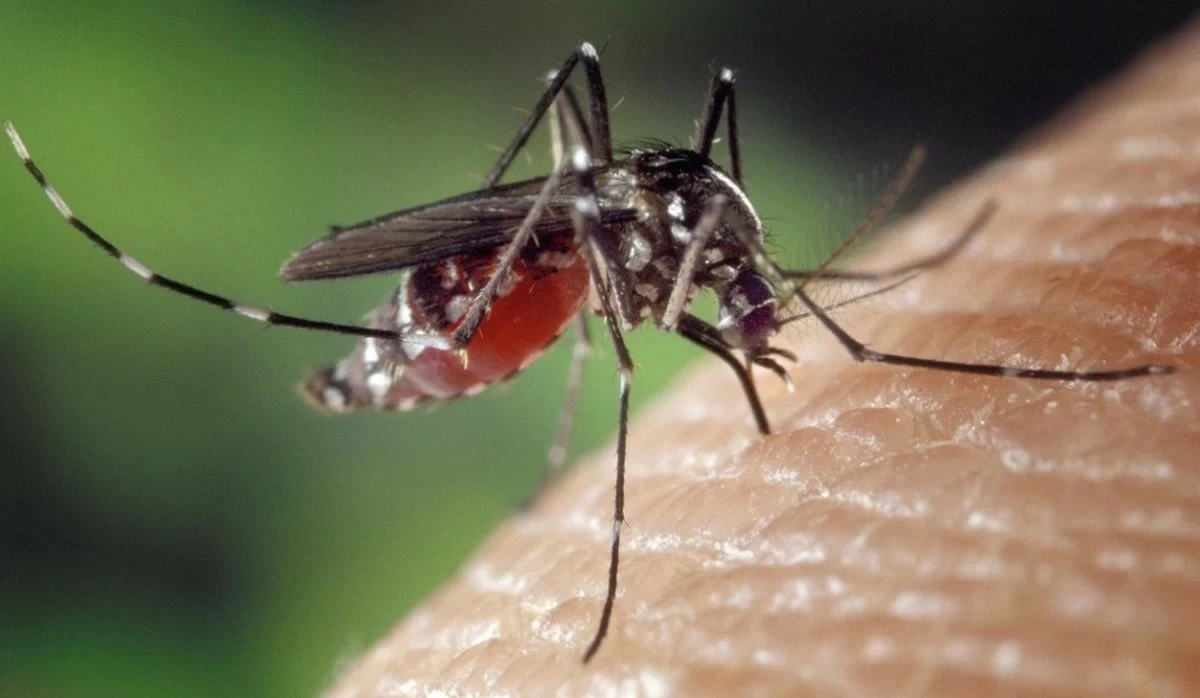
(Photo from Pixabay)
The Department of Health (DOH) reported an 11-percent decrease in dengue cases nationwide after recording 14,131 infections between Sept. 14 and 27, down from 15,794 cases in the preceding two weeks.
“Mas mababa ito ng 11% kung ikukumpara sa 15,794 na kasong naitala noong August 31 hanggang September 13 (This is 11 percent lower compared to the 15,794 cases reported from August 31 to September 13),” the agency reported on Saturday, Oct. 25.
The health department, meanwhile, recorded a preliminary total of 8,460 dengue cases from Oct. 5 to Oct. 18, as monitoring and surveillance efforts continue.
Despite the decline in the number of cased, the DOH has urged the public to consult the doctor immediately should one experience dengue symptoms such as fever, hives, body ache, nausea or vomiting.
According to the World Health Organization (WHO), dengue is a viral infection caused by the dengue virus—transmitted to humans through the bite of infected mosquitoes.
With an estimated 100 to 400 million infections occurring each year, it noted that around half of the world's population is now at risk of dengue.
The WHO noted that prevention and control of dengue rely on vector control.
“There is no specific treatment for dengue/severe dengue, and early detection and access to proper medical care greatly lower fatality rates of severe dengue,” it stated.
The international health organization said there is no specific treatment for dengue.
But, the organization said the pain caused by dengue can be managed with medication such as paracetamol.
“Non-steroidal anti-inflammatory medicines such as ibuprofen and aspirin should be avoided as they can increase the risk of bleeding,” WHO stated.
“For people with severe dengue, hospitalization is often necessary.”