






Manila Bulletin
 Business
Banking & Finance
GCash, Maya lead 75% surge in e-wallet use among sari-sari stores—Packworks
Business
Banking & Finance
GCash, Maya lead 75% surge in e-wallet use among sari-sari stores—Packworks
Business
Banking & Finance
GCash, Maya lead 75% surge in e-wallet use among sari-sari stores—Packworks
GCash, Maya lead 75% surge in e-wallet use among sari-sari stores—Packworks
Published Oct 25, 2025 09:16 am


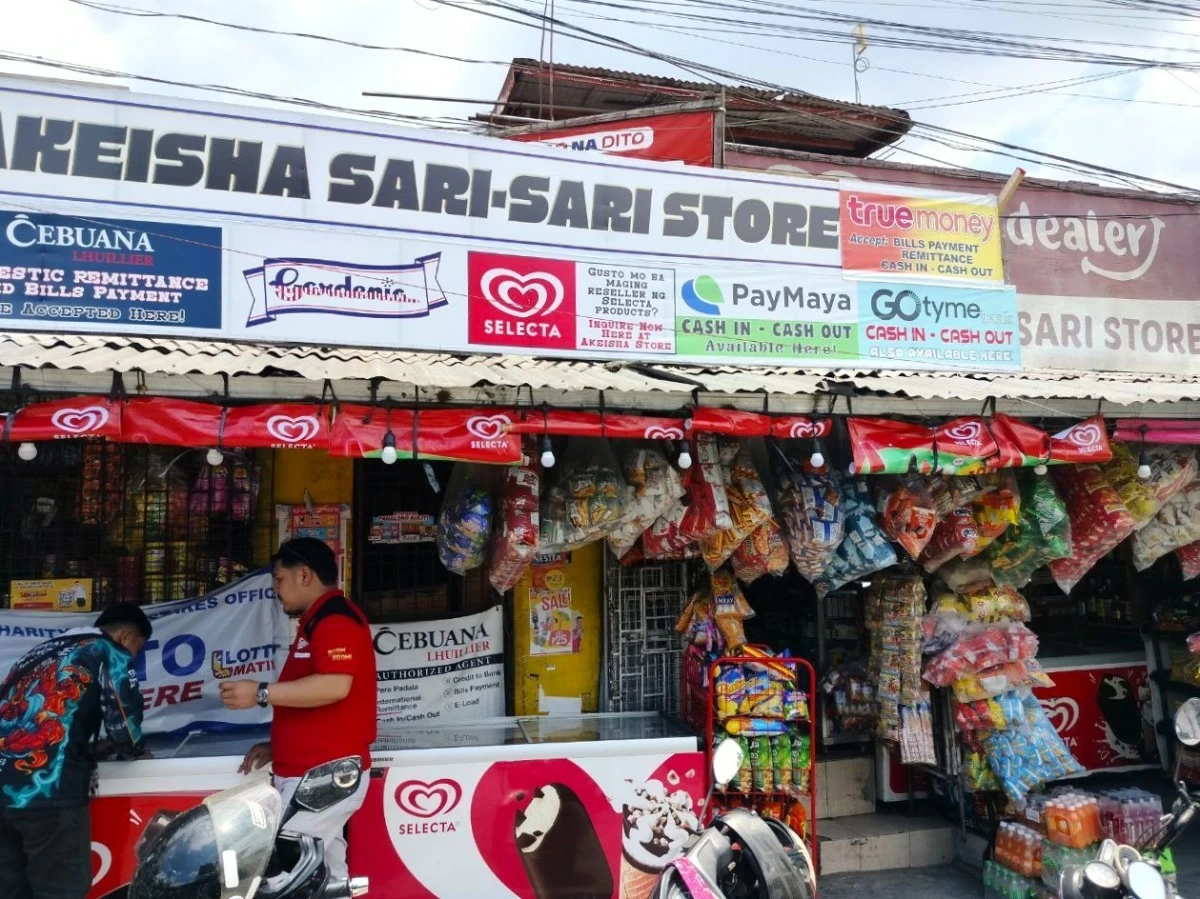
Amid the country’s push for digital transformation, e-wallet usage among sari-sari stores has surged by 75 percent, according to Filipino tech startup Packworks.
“Sari-sari stores are rapidly digitalizing their operations, driven by a significant increase in e-wallet use,” Packworks said in a report released on Friday, Oct. 24.
The report revealed that GCash and Maya are the dominant e-wallet platforms powering this shift. About 85 percent of store owners use GCash for business transactions, while 15 percent rely on Maya—underscoring the platforms’ growing importance in everyday retail operations.
Packworks data showed that half of the sari-sari store owners surveyed reported a 75-percent increase in e-wallet usage in their operations between January and August. Meanwhile, 20 percent saw usage double, another 20 percent recorded a 50-percent increase, and 10 percent reported a 10-percent rise.
“Store owners largely attribute this growing adoption to increased consumer demand, as their customers are also turning to e-wallets to buy goods, access funds, and settle bills at their local stores,” Packworks added.
Packworks chief platform officer Hubert Yap said sari-sari stores are quickly adopting digital tools like e-wallets to expand their services and boost business growth.
“The surge in e-wallet use proves that sari-sari stores are rapidly evolving into vital digital hubs for their communities. Aside from simply selling ‘tingi’ physical items, they are now diversifying their product range, offering high-margin, value-added financial services, and integrating digital tools such as our app to fundamentally improve their operations and function as near-frictionless nano-banks for the neighborhoods they serve,” Yap said.
Packworks cited data from the Bangko Sentral ng Pilipinas (BSP) showing that about 57 percent of all retail transactions in 2024 were cashless—underscoring the growing adoption of digital payments for everyday purchases and financial activities.
The report highlighted that store owners are increasingly using e-wallets for various business operations—around 40 percent for in-store payments, 30 percent for bill payments, and the remaining 30 percent for cash-in and cash-out transactions.
“This digital shift is quickly becoming a critical source of revenue,” Packworks said, emphasizing that about 13 percent of store owners reported their e-wallet earnings matched their revenue from physical goods.
Among the remaining respondents, Packworks revealed that 66 percent said around 20 percent of their revenue came from e-wallet transactions, while 21 percent reported that e-wallet earnings accounted for 10 percent of their total revenue.
To handle rising customer demand and larger transaction volumes, Packworks noted that many sari-sari stores now maintain as many as five e-wallet accounts. Each account carries a monthly transaction limit of ₱100,000 to ₱500,000, allowing stores to reach a combined capacity of up to ₱3.5 million per month.
“This trend supports the 30 percent of store owners interested in upgrading their e-wallets to business accounts to maintain a higher monthly limit of ₱1 million,” Packworks added.
Marijane Rea, a sari-sari store owner from Laguna, was quoted by Packworks as saying that, “A lot of our customers are making cash-in and cash-out transactions aside from buying products with e-wallets. Since more customers are using them, we want to keep up with their needs. It also helps us earn a little extra.”
Rachel Miguel, a store owner from Bacolod, also said, “Besides the income we earn from the store, we also get extra earnings from using e-wallets because we earn a profit of ₱10 to ₱20 from cash-in and cash-out transactions, or whenever customers pay for electricity, water, or internet bills.”
(Ricardo M. Austria)