






Manila Bulletin
 Philippines
National
DMW must protect OFWs amid post-Kafala transition in Saudi Arabia, says Bryan Revilla
Philippines
National
DMW must protect OFWs amid post-Kafala transition in Saudi Arabia, says Bryan Revilla
Philippines
National
DMW must protect OFWs amid post-Kafala transition in Saudi Arabia, says Bryan Revilla
DMW must protect OFWs amid post-Kafala transition in Saudi Arabia, says Bryan Revilla
Published Oct 25, 2025 03:04 pm


At A Glance
- Agimat Party-list Rep. Bryan Revilla has urged the Department of Migrant Workers (DMW) to closely monitor the implementation of Saudi Arabia's new contract system for migrant workers amid the abolition of the Kafala system.
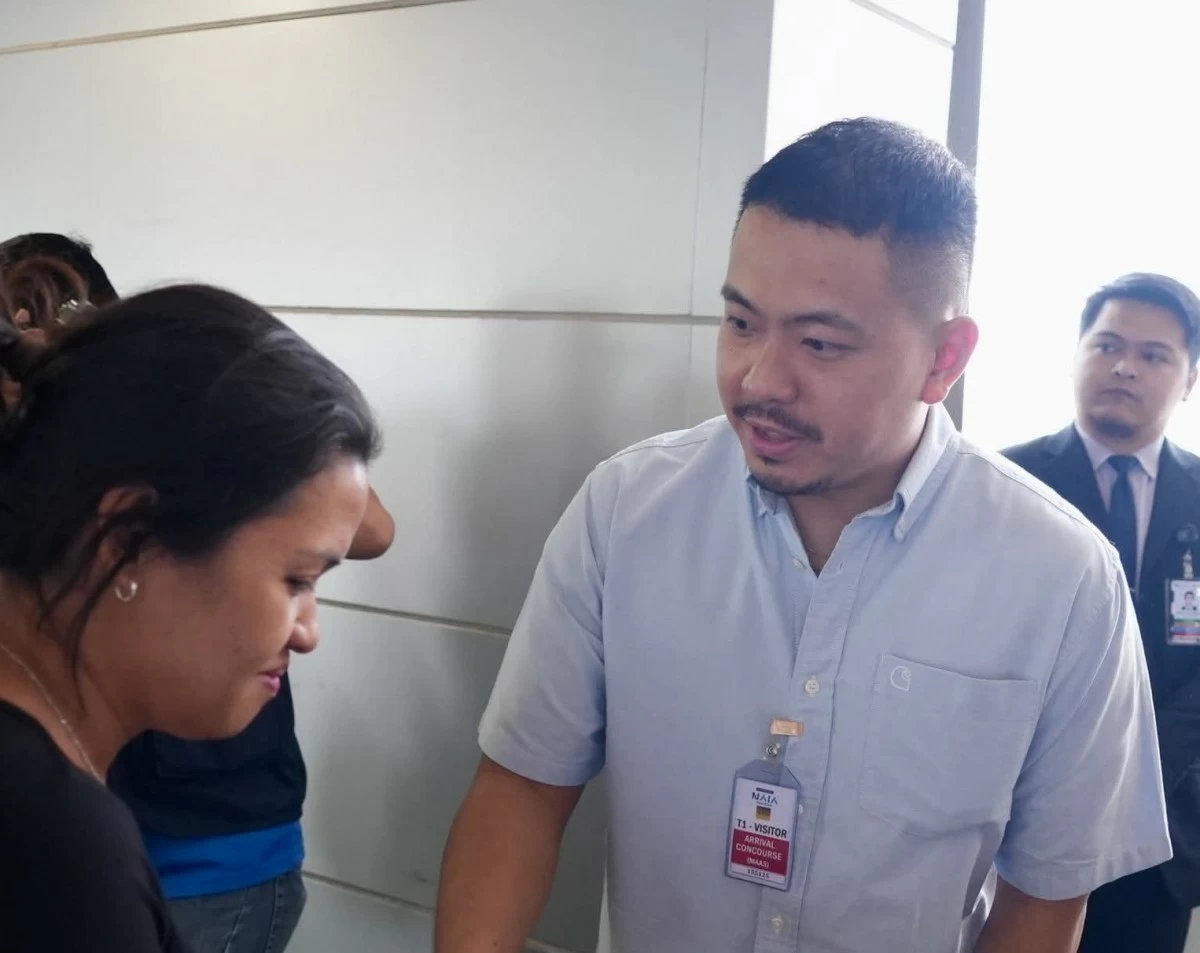
Agimat Party-list Rep. Bryan Revilla (Facebook)
Agimat Party-list Rep. Bryan Revilla has urged the Department of Migrant Workers (DMW) to closely monitor the implementation of Saudi Arabia’s new contract system for migrant workers amid the abolition of the Kafala system.
Revilla said Philippine authorities must keep an eye on the new policy on the ground to prevent gaps that may still lead to abuse, coercion, or denial of workers’ rights.
Under the Kafala system, a foreign worker’s residency and employment were tied to a private sponsor, preventing job changes or exit without employer consent. The new contract-based model allows greater freedom of mobility, access to legal protections, and alignment with international labor standards.
“ Isa itong malaking hakbang tungo sa higit na kaligtasan at kapanatagan ng ating mga OFW (This is a major step toward greater safety and peace of mind for our overseas Filipino workers)," said Revilla, chairman of the House Committee on Overseas Workers Affairs, in a statement over the weekend.
"Binubuksan nito ang pagkakataon na baguhin ang takbo ng kanilang mga buhay, tungkulin nating tiyakin na ang mga repormang ito ay hindi lamang nananatili sa papel. Kailangan itong sabayan ng masinsinang pagmamatyag, pagtutok, at matatag na koordinasyon sa pagitan ng DMW at OWWA, upang tunay na maramdaman ng bawat manggagawa ang pagbabago sa kanilang araw-araw na buhay,” he remarked.
(It opens the opportunity to change the course of their lives, it is our duty to ensure that these reforms do not remain only on paper. They must be accompanied by thorough monitoring, focused attention, and strong coordination between the DMW and OWWA, so that every worker truly feels the change in their daily lives.)
Saudi remains the number one destination for OFWs, according to 2023 Philippine Statistics Authority (PSA) data.
Revilla called the abolition of the Kafala system a “long overdue reform” that marked a major victory for migrant workers — but also a challenge that demands sustained vigilance and diplomatic action.
“While the Kafala system has been formally abolished as a legal framework in Saudi Arabia, it remains important to examine its enduring cultural and social effects. Legal reforms are a significant step forward, but fostering a genuine shift in perspectives and practices toward migrant workersis an ongoing process,” the Cavite lawmaker said.
Revilla said this shift gives the Philippines leverage to encourage other Gulf countries with similar sponsorship systems to pursue the same reforms.
He stressed the need for the DMW and Department of Foreign Affairs (DFA) to strengthen bilateral negotiations and push for better labor protection standards across the region.
“Kung kumikita ka nang maayos, bakit ka aalis? Kadalasan, umaalis ang manggagawa dahil sa abusadong o mapagsamantalang employer. Kaya matagal nang dapat mawala ang sistemang nagkukulong sa kanila sa ganoong kalagayan,” he said.
(If you're earning well, why would you leave? Often, workers leave because of abusive or exploitative employers. That’s why the system that traps them in such conditions should have been abolished long ago.)
The legislator, however, cautioned that legal reform alone will not be enough to undo decades of exploitation, and noted that cultural change and vigilant enforcement are just as vital to protect the country’s modern-day heroes.
“Ang tunay na laban ay hindi nagtatapos sa pagpapatupad ng bagong batas, kundi nasa pagbabago ng pananaw at pag-uugali ng lipunan - lalo na sa mga lugar na matagal nang nakasanayan ang ganitong sistema,” added the solon.
(The real fight does not end with the implementation of a new law, but lies in changing the mindset and behavior of society—especially in places where such systems have long been normalized.)
Tighter coordination
To turn reform into real protection, Revilla is calling for tighter DMW–OWWA (Overseas Workers Welfare Administration) coordination on emergency protection and repatriation, legal aid and hotlines, pre-departure and post-arrival orientation, and adequate budget support aligned with on-the-ground realities.
He cited a recent case where his office helped secure the immediate repatriation of a distressed OFW in Saudi Arabia in coordination with the DMW and concerned agencies.
“Nakakadurog ng puso kapag may mga kababayan tayong napapahamak sa kabila ng kanilang pagsisikap na maghanapbuhay sa ibang bansa,” he said.
(It breaks my heart when our fellow citizens suffer despite their efforts to earn a living abroad.)
“Kaya’t patuloy nating palalakasin ang ating mga mekanismo para matiyak na sa oras ng panganib, agad silang matutulungan at mapapauwi. Ang bawat OFW ay may karapatang makauwi agad sa oras ng panganib, makausap ang kanilang pamilya, at maramdaman na may gobyernong handang kumilos. Hindi lang ito isang kaso - paalala ito na bawat OFW ay may kuwento, pamilya, at pangarap na dapat nating ingatan.”
(That’s why we will continue to strengthen our mechanisms to ensure that in times of danger, they can be helped and brought home immediately. Every OFW has the right to return home at once in times of peril, to speak with their family, and to feel that there is a government ready to act. This is not just a case—it is a reminder that every OFW has a story, a family, and a dream that we must protect.)