ADVERTISEMENT

World Conservation Congress 2025: Hope is the strategy

Published Oct 24, 2025 11:28 am
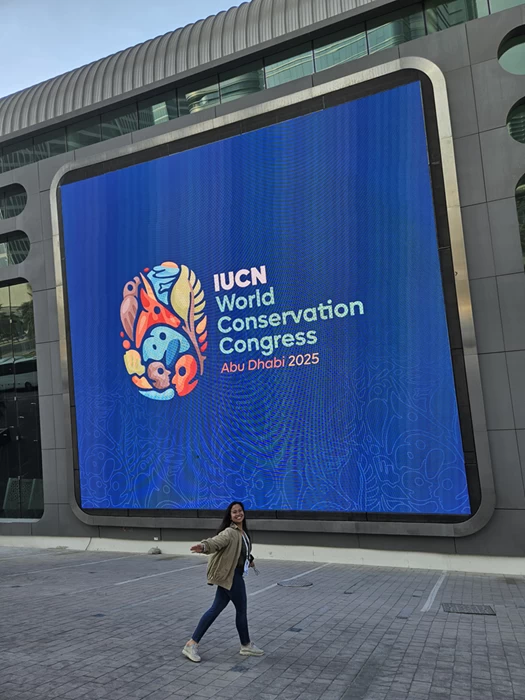
Abu Dhabi hosted this year's World Conservation Congress.
I would describe the IUCN World Conservation Congress as the FIFA or World Expo of environment conservation—a rare gathering held only once every four years and hosted by a different country each time. This October, more than 10,000 participants came together in Abu Dhabi and online to join the much-awaited congress.
It was heartwarming to see old friends and mentors who continue to light the way for many of us: Atty. Tony Oposa, tireless advocate for Philippine environmental law; Carlos Manuel Rodriguez, CEO of the Global Environment Facility and former Costa Rican environment minister; and the inspiring PANORAMA–IUCN team, who continue to connect communities solving real-world challenges.
We were part of the high-level panel on “Inclusive Innovation and Bold Leadership: The Disruption We Seek.” There, we shared the story of Masungi Georeserve—a project our father began over two decades ago, and one that my sister and I continue to nurture with our team.
Just an hour and a half from Manila, Masungi protects the upper reaches of a watershed that supplies water to more than 20 million people downstream. What was once barren, abused, and neglected has been slowly healing. Through geotourism, engineering, and community partnerships, the area has transformed into a living classroom on ecosystem regeneration. It is proof that when people work with integrity, collaboration, and patience, the land responds in kind.
The World Bank has shown that protecting uplands brings far more lasting value than destroying them for short-term profit. Yet the pressure to exploit remains strong—made worse by corruption and weak enforcement. Many of our so-called “protected areas” exist only on paper. While those who plunder often go unchecked, those who defend are sometimes targeted. Still, we stay, because protecting these places means protecting people, too.
Over the years, we’ve learned that progress is possible when people stand together. Through broad alliances with responsible companies, mayors, Indigenous leaders, government agencies, and citizens, we helped stop destructive quarrying within Masungi. Campaigns against environmental degradation inspired over 16 Senate resolutions that opened national discussions on how other vital areas can be better defended.
Our question to fellow delegates was simple but urgent: How do we make this courage systemic? How do we ensure that protecting nature—not just restoring it—is funded, defended, and rewarded even when it’s politically inconvenient?
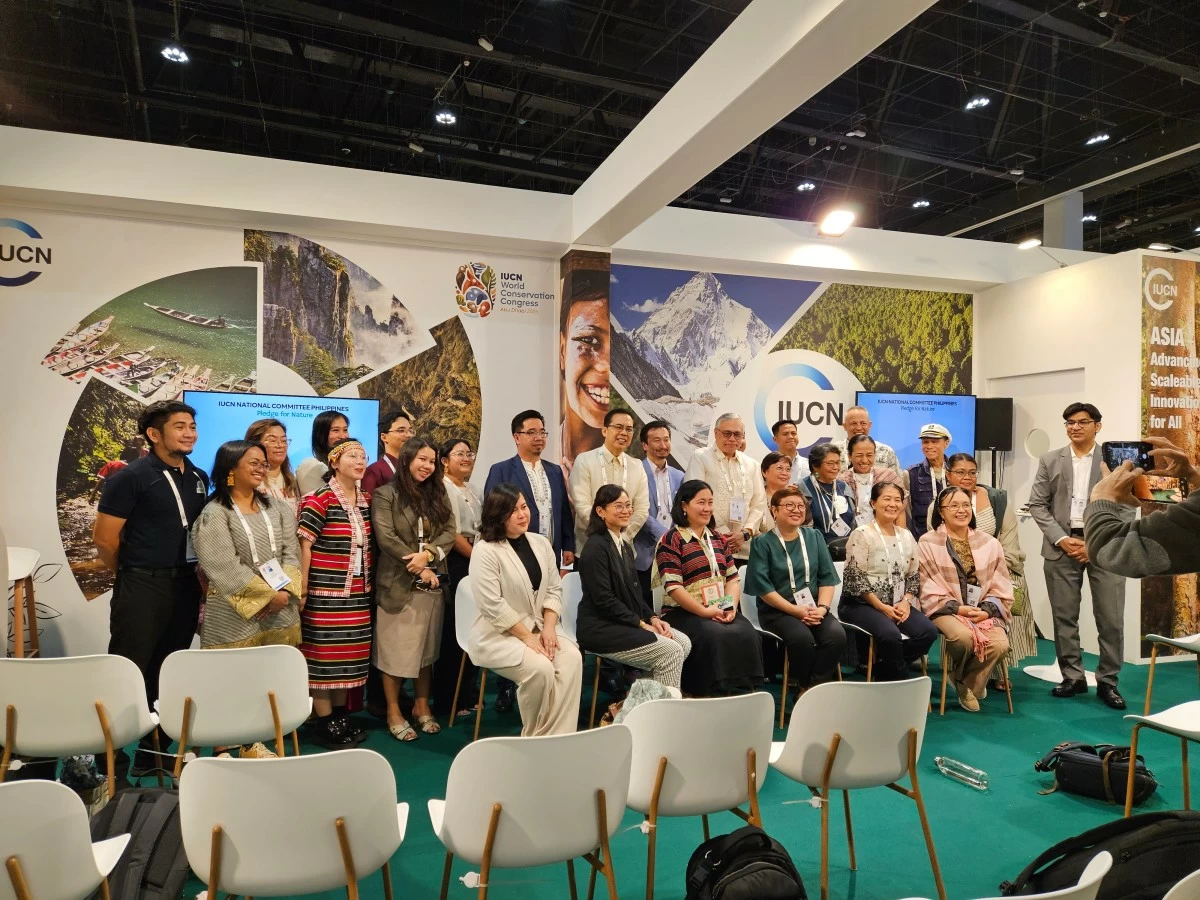
The IUCN Philippine National Committee launches its Pledge for Nature.
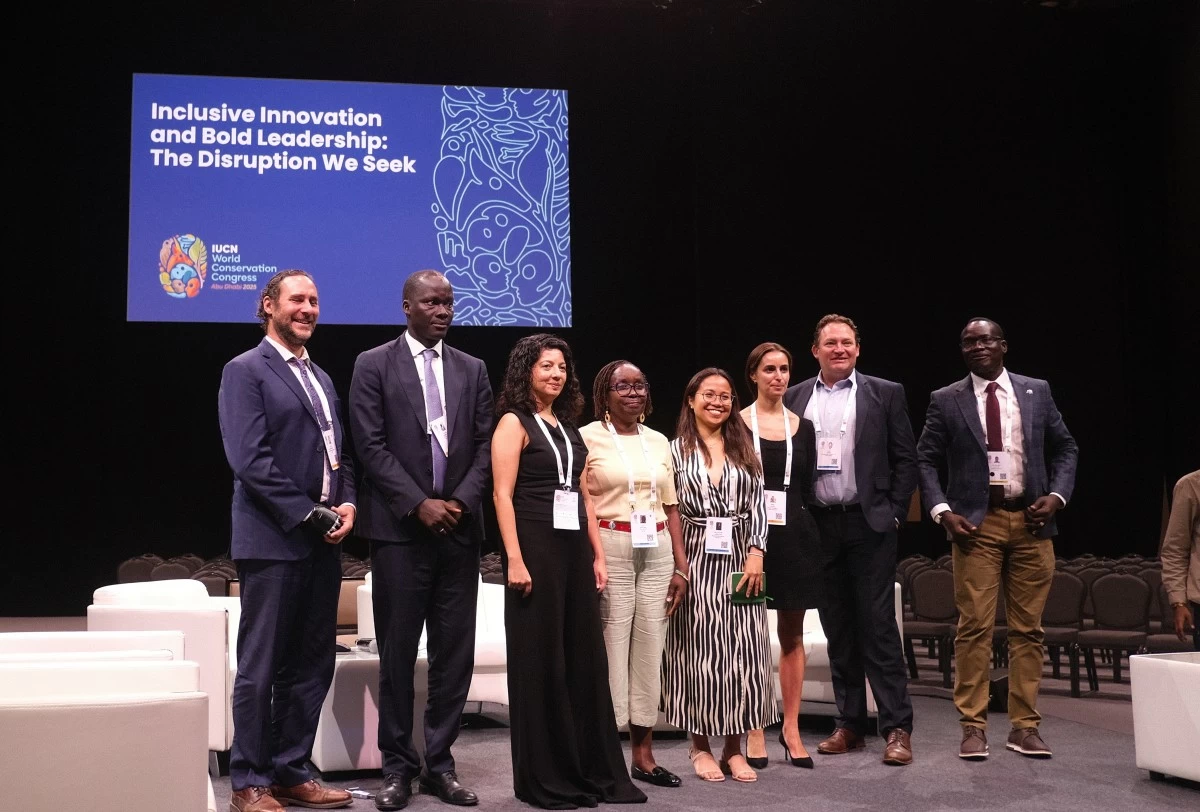
The IUCN Panel with Masungi Georeserve discussed challenging the status quo and supporting youth-led initiatives.
The BBC Media Action Center held workshops on misinformation and disinformation.
Courage, Creativity, and Connection
Throughout the Congress, a powerful theme kept surfacing: leadership in conservation requires courage, imagination, and presence. Speakers reminded us to “follow your crazy ideas” and to “fail forward.” One piece of advice resonated with many: “Set your life on fire and find those who fire your flames.” It’s a reminder to stay close to people who fuel your purpose and passion, not fear.
Storytelling emerged as one of the strongest tools for nature. Facts inform, but stories move—especially when they feature real people and moments of hope.
A favorite example came from India’s “Wash the Dabba” movement, which began with waste pickers who noticed many containers were discarded simply because they weren’t rinsed. The campaign encouraged households to wash and reuse their “dabbas,” or food boxes from online deliveries or takeaways. According to the BBC Media Action Center, 93 percent of Bengaluru residents recalled the campaign and 60 percent reported washing plastic food containers before disposal. A small act, yet one that honored the dignity of those handling waste and showed how empathy can lead to environmental action.
Speakers also urged communicators to meet people where they are—on social media, in pop culture, or even reality TV. When the reality show Love Island replaced single-use bottles with reusables, millions of viewers took notice.
Hope as a Strategy
The Congress reminded us that hope is not the absence of struggle—it is the fuel that keeps us moving through it. People today no longer want to hear only what is broken; they want to know what can still be healed, and how they can be part of that work.
From the Amazon to the Sierra Madre, from scientists to waste pickers, every person who chooses to care keeps the spark alive. Each act of protection—no matter how small—adds to the invisible thread that ties together the world’s efforts to keep nature standing.
It is easy to feel heavy when the headlines grow darker by the day. But spaces like this remind us that courage is contagious, and that every effort, no matter where it begins, helps light the way forward.
ADVERTISEMENT
.most-popular .layout-ratio{ padding-bottom: 79.13%; } @media (min-width: 768px) and (max-width: 1024px) { .widget-title { font-size: 15px !important; } }

{{ articles_filter_1561_widget.title }}

.most-popular .layout-ratio{ padding-bottom: 79.13%; } @media (min-width: 768px) and (max-width: 1024px) { .widget-title { font-size: 15px !important; } }

{{ articles_filter_1562_widget.title }}

.most-popular .layout-ratio{ padding-bottom: 79.13%; } @media (min-width: 768px) and (max-width: 1024px) { .widget-title { font-size: 15px !important; } }

{{ articles_filter_1563_widget.title }}

{{ articles_filter_1564_widget.title }}

.mb-article-details { position: relative; } .mb-article-details .article-body-preview, .mb-article-details .article-body-summary{ font-size: 17px; line-height: 30px; font-family: "Libre Caslon Text", serif; color: #000; } .mb-article-details .article-body-preview iframe , .mb-article-details .article-body-summary iframe{ width: 100%; margin: auto; } .read-more-background { background: linear-gradient(180deg, color(display-p3 1.000 1.000 1.000 / 0) 13.75%, color(display-p3 1.000 1.000 1.000 / 0.8) 30.79%, color(display-p3 1.000 1.000 1.000) 72.5%); position: absolute; height: 200px; width: 100%; bottom: 0; display: flex; justify-content: center; align-items: center; padding: 0; } .read-more-background a{ color: #000; } .read-more-btn { padding: 17px 45px; font-family: Inter; font-weight: 700; font-size: 18px; line-height: 16px; text-align: center; vertical-align: middle; border: 1px solid black; background-color: white; } .hidden { display: none; }
function initializeAllSwipers() { // Get all hidden inputs with cms_article_id document.querySelectorAll('[id^="cms_article_id_"]').forEach(function (input) { const cmsArticleId = input.value; const articleSelector = '#article-' + cmsArticleId + ' .body_images'; const swiperElement = document.querySelector(articleSelector); if (swiperElement && !swiperElement.classList.contains('swiper-initialized')) { new Swiper(articleSelector, { loop: true, pagination: false, navigation: { nextEl: '#article-' + cmsArticleId + ' .swiper-button-next', prevEl: '#article-' + cmsArticleId + ' .swiper-button-prev', }, }); } }); } setTimeout(initializeAllSwipers, 3000); const intersectionObserver = new IntersectionObserver( (entries) => { entries.forEach((entry) => { if (entry.isIntersecting) { const newUrl = entry.target.getAttribute("data-url"); if (newUrl) { history.pushState(null, null, newUrl); let article = entry.target; // Extract metadata const author = article.querySelector('.author-section').textContent.replace('By', '').trim(); const section = article.querySelector('.section-info ').textContent.replace(' ', ' '); const title = article.querySelector('.article-title h1').textContent; // Parse URL for Chartbeat path format const parsedUrl = new URL(newUrl, window.location.origin); const cleanUrl = parsedUrl.host + parsedUrl.pathname; // Update Chartbeat configuration if (typeof window._sf_async_config !== 'undefined') { window._sf_async_config.path = cleanUrl; window._sf_async_config.sections = section; window._sf_async_config.authors = author; } // Track virtual page view with Chartbeat if (typeof pSUPERFLY !== 'undefined' && typeof pSUPERFLY.virtualPage === 'function') { try { pSUPERFLY.virtualPage({ path: cleanUrl, title: title, sections: section, authors: author }); } catch (error) { console.error('ping error', error); } } // Optional: Update document title if (title && title !== document.title) { document.title = title; } } } }); }, { threshold: 0.1 } ); function showArticleBody(button) { const article = button.closest("article"); const summary = article.querySelector(".article-body-summary"); const body = article.querySelector(".article-body-preview"); const readMoreSection = article.querySelector(".read-more-background"); // Hide summary and read-more section summary.style.display = "none"; readMoreSection.style.display = "none"; // Show the full article body body.classList.remove("hidden"); } document.addEventListener("DOMContentLoaded", () => { let loadCount = 0; // Track how many times articles are loaded const offset = [1, 2, 3, 4, 5, 6, 7, 8, 9, 10]; // Offset values const currentUrl = window.location.pathname.substring(1); let isLoading = false; // Prevent multiple calls if (!currentUrl) { console.log("Current URL is invalid."); return; } const sentinel = document.getElementById("load-more-sentinel"); if (!sentinel) { console.log("Sentinel element not found."); return; } function isSentinelVisible() { const rect = sentinel.getBoundingClientRect(); return ( rect.top < window.innerHeight && rect.bottom >= 0 ); } function onScroll() { if (isLoading) return; if (isSentinelVisible()) { if (loadCount >= offset.length) { console.log("Maximum load attempts reached."); window.removeEventListener("scroll", onScroll); return; } isLoading = true; const currentOffset = offset[loadCount]; window.loadMoreItems().then(() => { let article = document.querySelector('#widget_1690 > div:nth-last-of-type(2) article'); intersectionObserver.observe(article) loadCount++; }).catch(error => { console.error("Error loading more items:", error); }).finally(() => { isLoading = false; }); } } window.addEventListener("scroll", onScroll); });

Sign up by email to receive news.