ADVERTISEMENT

Type fast or go home: From suki to 'Mine, Sis'

Published Oct 24, 2025 08:25 am
One Friday night, I found myself in the middle of an online argument. I had typed “Mine, sis!” on a faded denim jacket during an online ukay-ukay live sale, certain I’d claimed it first. But another buyer insisted she got there before me, and the seller’s comment filter ruled in her favor. I felt the same rush of indignation as if someone had snatched the item from my hands at a physical ukay-ukay store. The seller tried to calm us both down, and the live broadcast went on, but I was left thinking about how intense, even personal, these online interactions have become.

Scenes like this play out nightly across Instagram. Sellers go live, hold up an item, and the comments section erupts with “Mine, sis!” “Grab!” “Steal!” Whoever types fastest wins. Payments are sent through GCash, and the item is shipped the next day. This new ritual of online ukay and pasabuy may look different from the usual market scenes, but beneath the speed and spectacle lies something very old: the Filipino suki relationship – the enduring connection between buyer and seller. Instagram hasn’t replaced this bond; it has transformed it.

In traditional markets, the suki relationship was cultivated over time. You returned to the same stall not just for price, but because of trust, familiarity, and the occasional dagdag slipped into your bag. Sellers saved their best produce for you, extended credit if you were short, and greeted you by name. These were slow, face-to-face encounters rooted in pakikipagkapwa – recognizing and responding to each other’s personhood.
On Instagram, this intimacy is being reimagined. Sellers address their followers as “fam” or “besties.” They call repeat buyers by username and shout them out during live sessions: “Hi @plantita_jo! Your suki is back!” The relationship is still there, but it’s happening in public, with dozens of others watching. Instead of haggling, buyers compete through speed: whoever types “mine” first gets the goods.

Beneath this speed, however, are older cultural logics of trust and reciprocity. Just as market vendors remember loyal customers, many sellers quietly honor their suki even in the digital fray. A regular might be given early notice of a new ‘drop,’ allowed to reserve an item in advance, or extended payment leeway. Buyers, in turn, stick to their favorite sellers not only because of style, but because of the relationship – a blend of trust, familiarity, and sometimes utang na loob. These moral economies sit uneasily alongside the algorithm’s cold neutrality, but they persist. The chat thread might move fast, but behind it are whispered DMs, quiet favors, and remembered loyalties.
That online fight over that beautiful jacket made me pause. Even online, we’re performing a kind of palengke drama – rivalry, emotion, reconciliation, only now it happens with dozens or hundreds watching. The “mine, sis” comment isn’t just a purchase; it’s a public claim, a small performance of belonging and victory.
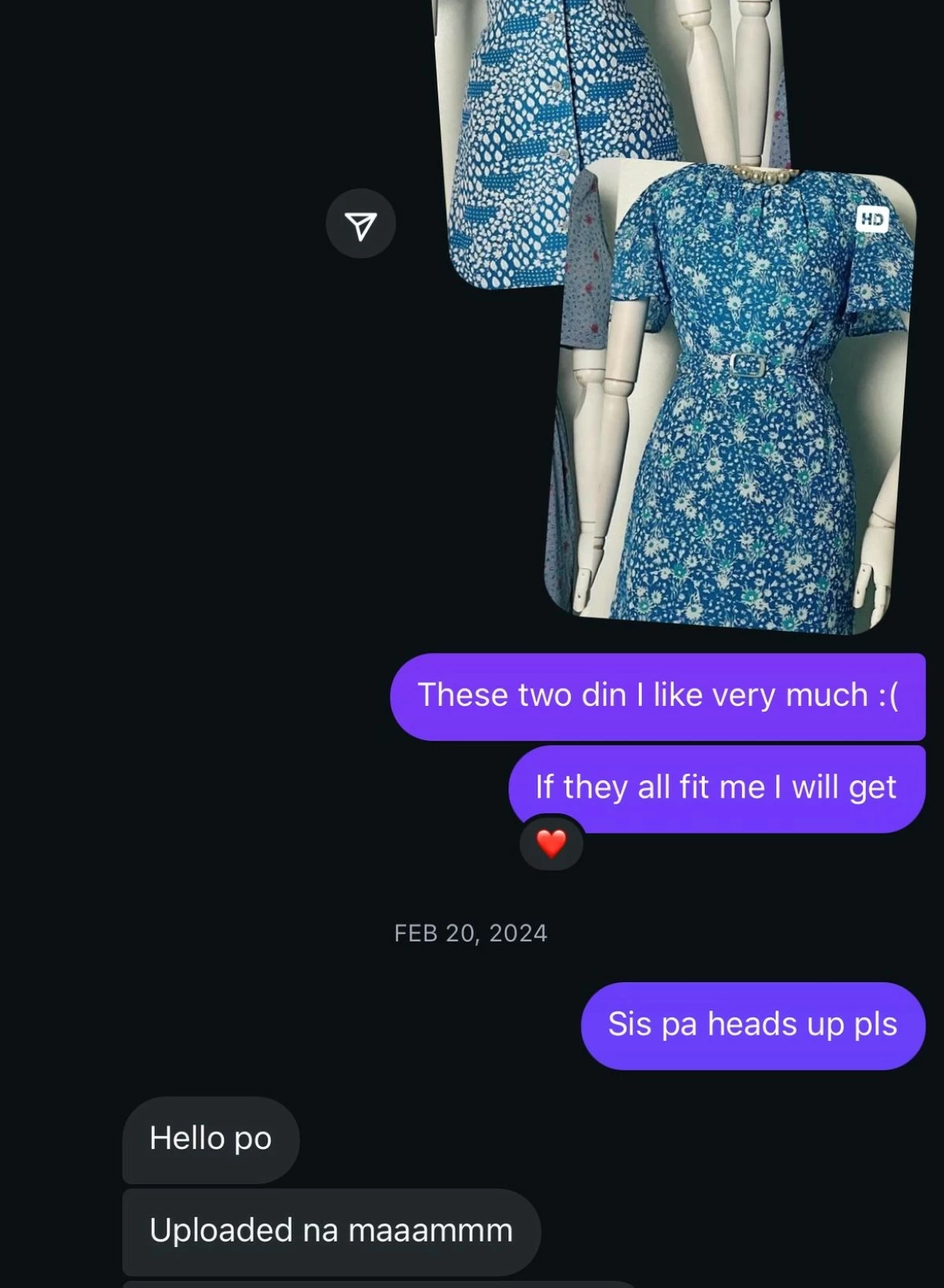
Anthropologists would say that what we are seeing is not just a change in technology but in sociality – how we relate to one another. The suki relationship now lives inside Instagram’s algorithm, shaped by likes, tags, and notifications. Loyalty is expressed not just through repeat purchases but through shares and engagement. Sellers who cultivate a personable, approachable vibe often do better than those who treat it as purely transactional.
This shift is also tied to changing business rhythms. The pandemic pushed markets online, turning sellers into content creators who must entertain as much as they sell. Buyers, on the other hand, chase the thrill of winning - of beating others to the perfect find.
The challenge now is to bring the spirit of pakikipagkapwa into these digital spaces: to slow down, to see each other as more than usernames racing to type “mine, sis.” The mine culture may seem frenzied, but it shows how Filipinos adapt old forms of connection – trust, loyalty, reciprocity – to new platforms. The suki is not gone; she has simply gone online, learned to livestream, and now has followers across the archipelago.
ADVERTISEMENT
.most-popular .layout-ratio{ padding-bottom: 79.13%; } @media (min-width: 768px) and (max-width: 1024px) { .widget-title { font-size: 15px !important; } }

{{ articles_filter_1561_widget.title }}

.most-popular .layout-ratio{ padding-bottom: 79.13%; } @media (min-width: 768px) and (max-width: 1024px) { .widget-title { font-size: 15px !important; } }

{{ articles_filter_1562_widget.title }}

.most-popular .layout-ratio{ padding-bottom: 79.13%; } @media (min-width: 768px) and (max-width: 1024px) { .widget-title { font-size: 15px !important; } }

{{ articles_filter_1563_widget.title }}

{{ articles_filter_1564_widget.title }}

.mb-article-details { position: relative; } .mb-article-details .article-body-preview, .mb-article-details .article-body-summary{ font-size: 17px; line-height: 30px; font-family: "Libre Caslon Text", serif; color: #000; } .mb-article-details .article-body-preview iframe , .mb-article-details .article-body-summary iframe{ width: 100%; margin: auto; } .read-more-background { background: linear-gradient(180deg, color(display-p3 1.000 1.000 1.000 / 0) 13.75%, color(display-p3 1.000 1.000 1.000 / 0.8) 30.79%, color(display-p3 1.000 1.000 1.000) 72.5%); position: absolute; height: 200px; width: 100%; bottom: 0; display: flex; justify-content: center; align-items: center; padding: 0; } .read-more-background a{ color: #000; } .read-more-btn { padding: 17px 45px; font-family: Inter; font-weight: 700; font-size: 18px; line-height: 16px; text-align: center; vertical-align: middle; border: 1px solid black; background-color: white; } .hidden { display: none; }
function initializeAllSwipers() { // Get all hidden inputs with cms_article_id document.querySelectorAll('[id^="cms_article_id_"]').forEach(function (input) { const cmsArticleId = input.value; const articleSelector = '#article-' + cmsArticleId + ' .body_images'; const swiperElement = document.querySelector(articleSelector); if (swiperElement && !swiperElement.classList.contains('swiper-initialized')) { new Swiper(articleSelector, { loop: true, pagination: false, navigation: { nextEl: '#article-' + cmsArticleId + ' .swiper-button-next', prevEl: '#article-' + cmsArticleId + ' .swiper-button-prev', }, }); } }); } setTimeout(initializeAllSwipers, 3000); const intersectionObserver = new IntersectionObserver( (entries) => { entries.forEach((entry) => { if (entry.isIntersecting) { const newUrl = entry.target.getAttribute("data-url"); if (newUrl) { history.pushState(null, null, newUrl); let article = entry.target; // Extract metadata const author = article.querySelector('.author-section').textContent.replace('By', '').trim(); const section = article.querySelector('.section-info ').textContent.replace(' ', ' '); const title = article.querySelector('.article-title h1').textContent; // Parse URL for Chartbeat path format const parsedUrl = new URL(newUrl, window.location.origin); const cleanUrl = parsedUrl.host + parsedUrl.pathname; // Update Chartbeat configuration if (typeof window._sf_async_config !== 'undefined') { window._sf_async_config.path = cleanUrl; window._sf_async_config.sections = section; window._sf_async_config.authors = author; } // Track virtual page view with Chartbeat if (typeof pSUPERFLY !== 'undefined' && typeof pSUPERFLY.virtualPage === 'function') { try { pSUPERFLY.virtualPage({ path: cleanUrl, title: title, sections: section, authors: author }); } catch (error) { console.error('ping error', error); } } // Optional: Update document title if (title && title !== document.title) { document.title = title; } } } }); }, { threshold: 0.1 } ); function showArticleBody(button) { const article = button.closest("article"); const summary = article.querySelector(".article-body-summary"); const body = article.querySelector(".article-body-preview"); const readMoreSection = article.querySelector(".read-more-background"); // Hide summary and read-more section summary.style.display = "none"; readMoreSection.style.display = "none"; // Show the full article body body.classList.remove("hidden"); } document.addEventListener("DOMContentLoaded", () => { let loadCount = 0; // Track how many times articles are loaded const offset = [1, 2, 3, 4, 5, 6, 7, 8, 9, 10]; // Offset values const currentUrl = window.location.pathname.substring(1); let isLoading = false; // Prevent multiple calls if (!currentUrl) { console.log("Current URL is invalid."); return; } const sentinel = document.getElementById("load-more-sentinel"); if (!sentinel) { console.log("Sentinel element not found."); return; } function isSentinelVisible() { const rect = sentinel.getBoundingClientRect(); return ( rect.top < window.innerHeight && rect.bottom >= 0 ); } function onScroll() { if (isLoading) return; if (isSentinelVisible()) { if (loadCount >= offset.length) { console.log("Maximum load attempts reached."); window.removeEventListener("scroll", onScroll); return; } isLoading = true; const currentOffset = offset[loadCount]; window.loadMoreItems().then(() => { let article = document.querySelector('#widget_1690 > div:nth-last-of-type(2) article'); intersectionObserver.observe(article) loadCount++; }).catch(error => { console.error("Error loading more items:", error); }).finally(() => { isLoading = false; }); } } window.addEventListener("scroll", onScroll); });

Sign up by email to receive news.