






Manila Bulletin
 Philippines
National
Gov't raises alarm over AI-generated child sexual abuse materials
Philippines
National
Gov't raises alarm over AI-generated child sexual abuse materials
Philippines
National
Gov't raises alarm over AI-generated child sexual abuse materials
Gov't raises alarm over AI-generated child sexual abuse materials
Published Oct 24, 2025 01:32 pm


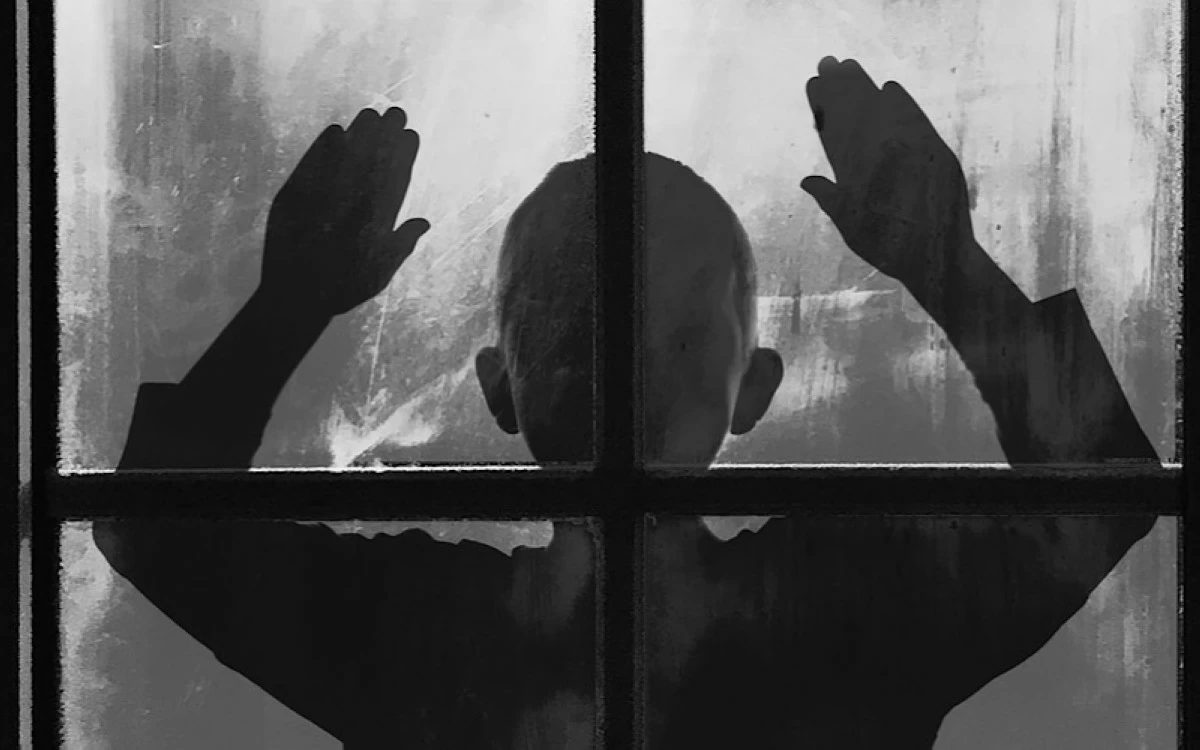
Photo from Pixabay
The government has raised concern over the use of artificial intelligence (AI) in producing child sexual abuse or exploitation materials (CSAEM) in the Philippines as it poses a growing threat to efforts that protect children from online exploitation.
Council for the Welfare of Children (CWC) Executive Director and Undersecretary Angelo Tapales said a case of AI-generated CSAEM has been documented in the country, which highlights the need to raise public awareness about its dangers.
“We are creating awareness that AI CSAEM is here in the Philippines. We have one documented case. AI CSAEM is not a victimless crime,” Tapales said on Oct. 23.
He explained that AI-generated CSAEM can involve a real child whose image is digitally altered to create obscene material or an entirely artificial image made to sexualize a child.
“Maaring walang batang involved dun sa pangalawang klase ng AI, but we cannot consent or we resist its normalization dahil ayaw nating ma-normalize at mag-proliferate ang mga bastos na video at picture ng bata dahil lang AI ito (There may be no child involved in the second type of AI, but we cannot consent or allow its normalization because we do not want obscene videos and pictures of children to be normalized or proliferate just because these are AI-generated),” Tapales said.
“Why? Kasi po pinapababa natin yung dignidad ng mga bata. Yung intrinsic worth ng mga bata. Ano ang kasunod ng AI CSAEM? Yung actual sexual abuse na. So, we are resisting its normalization at ayaw natin sine-sexualize ang mga bata (Why? Because it diminishes the dignity and intrinsic worth of children. What comes after AI CSAEM? Actual sexual abuse. That’s why we resist its normalization and reject the sexualization of children),” he added.
Tapales said child protection is non-negotiable.
“The dignity of our children is not for sale. Let us remember that,” he said.
The CWC, an attached agency of the Department of Social Welfare and Development, urged the public to report cases of child abuse, including online sexual abuse and exploitation of children (OSAEC) and CSAEM, through the MAKABATA Helpline 1383, which operates 24/7.
Institutionalized under Executive Order No. 79, series of 2024, the helpline forms part of the MAKABATA Program’s reporting system, a one-stop platform for addressing and monitoring concerns of children in need of special protection.
Tapales also cited data showing the extent of child sexual exploitation in the country.
According to the International Justice Mission’s Scale of Harm Full Report 2023, one in every 100 Filipino children, or about 471,416 minors, has been victimized through sexual abuse or exploitation materials.
A 2022 study by ECPAT International, INTERPOL, and UNICEF also found that 20 percent of Filipino internet users aged 12 to 17 had experienced grave forms of online sexual abuse or exploitation.