







Bohol eyes science-based approach to marine tourism
Published Oct 24, 2025 09:11 pm


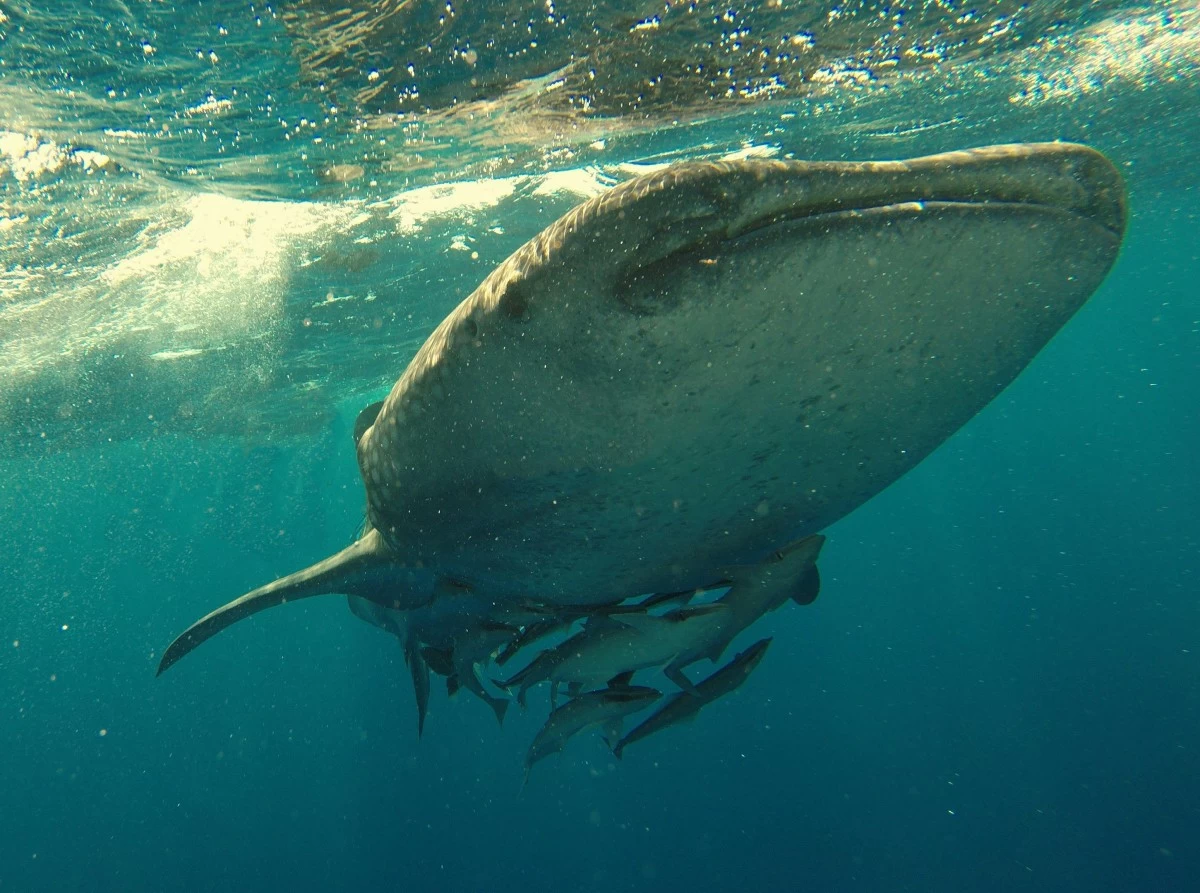
WHALE shark
CEBU CITY – Bent on protecting whale sharks and coastal ecosystems, the province of Bohol is turning to a science-based and community-led approach to marine tourism.
Marine tourism management was discussed in a recent joint meeting of the Committees on Natural Resources and Environmental Protection and Tourism at the New Capitol Building in Tagbilaran City.
"We want to brand the Bohol wildlife tour experience as 'natural' and 'science-based,’" said Dr. Ben Malayang III, adjunct professor and former dean of the School of Environmental Science and Management at UP Los Baños.
The discussion was part of efforts to advance sustainable tourism, aligning with the Strategic Governance Roadmap of the provincial government led by Gov. Aris Aumentado.
Malayang presented a proposal titled “A Science-Based Ecosystem Approach to Whale Shark Management in Bohol.”
The proposal, co-authored with Dr. James Kho, highlighted the establishment of a Southern Bohol Marine Wildlife Eco-Educational Tourism Corridor.
It was designed to promote responsible tourism that balances conservation, education, and livelihood opportunities.
"This offers a more sustainable alternative to species-specific tourism by featuring a complete marine wildlife and coastal experience led by local government units and communities," said Malayang.
He noted that branding Bohol’s wildlife tourism as natural and science-based not only ensures the welfare of whale sharks and other marine species but also enhances Bohol’s standing as a global model for sustainable tourism.
The proposal also illustrated a sample tour circuit, such as island hopping, coral, seagrass, and mangrove visitation, and marine wildlife education using scientific data and local knowledge.
It also includes a challenge-based citizen science for a shared online database and integration of local cuisine, delicacies, culture, and arts activities prepared by the locals.
Among the proposed next steps are reviewing and updating Provincial Ordinance No. 2020-008 to improve regulations on wildlife interaction and incorporating the establishment of the Southern Bohol Marine Wildlife Eco-Educational Tourism Corridor into the amendment.