






Manila Bulletin
 Business
Trade & Industry
Tobacco farmers face ₱978 million in losses from smuggling
Business
Trade & Industry
Tobacco farmers face ₱978 million in losses from smuggling
Business
Trade & Industry
Tobacco farmers face ₱978 million in losses from smuggling
Tobacco farmers face ₱978 million in losses from smuggling
Published Oct 22, 2025 11:21 pm


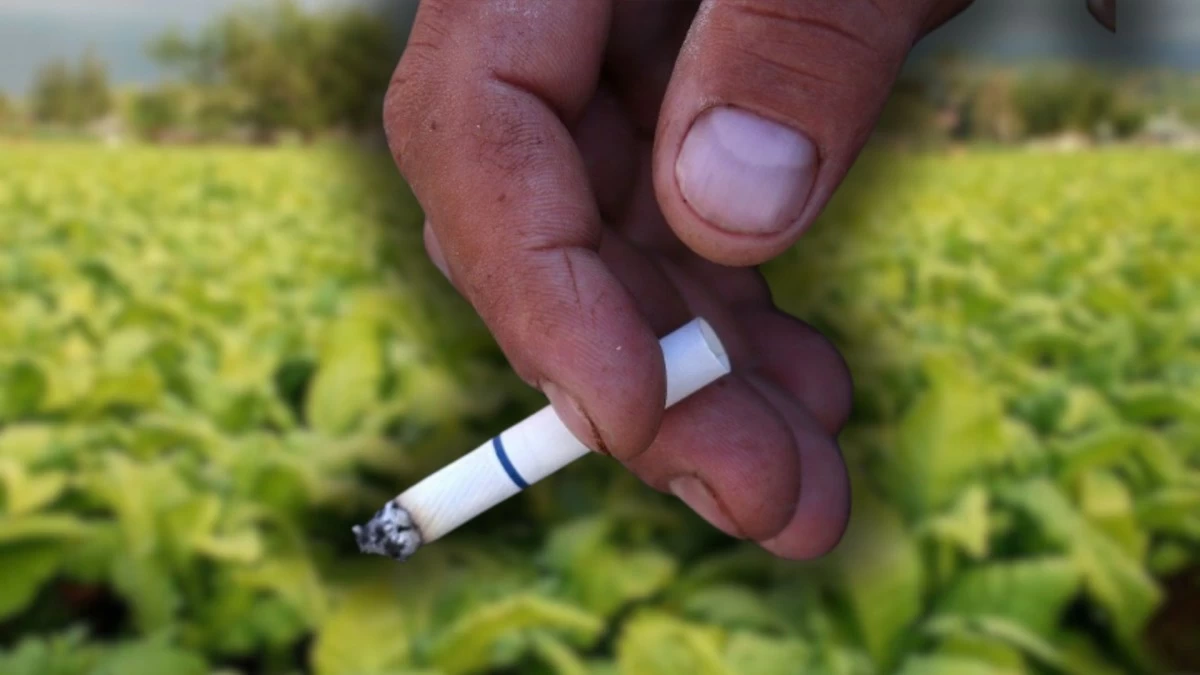
Local tobacco farmers could lose as much as ₱978.44 million in income this year as government enforcement continues to lag behind the rampant spread of smuggled cigarettes, according to estimates of the Philippine Tobacco Growers Association (PTGA).
PTGA expects around 11.8 billion sticks of illegal cigarettes to flood the market this year, equivalent to 9.4 million kilos of tobacco that could have otherwise come from local farms.
At an average farmgate price of ₱104.09 per kilo, a tobacco farmer would lose around ₱17,000, translating into a total of ₱978.44 million for PTGA’s 59,000 members.
The industry group’s 2025 estimate is 25-percent higher than the losses recorded last year, which amounted to ₱784.52 million and covered 9.06 billion illicit cigarette sticks.
PTGA president Saturnino Distor pointed out that the increase in losses this year happened despite the passage of the Anti-Agricultural Economic Sabotage Law.
Distor noted that the law, embodied under Republic Act (RA) No. 12022, was enacted to stop big-time smuggling of farm goods.
“But until now, not one tobacco smuggler has been arrested under the new law,” Distor said in a statement.
Distor said the government must step up its efforts to combat smuggling, or else it would endanger the livelihoods of millions of Filipinos who depend on the tobacco industry.
The industry supports around 2.2 million Filipinos, including farmers and factory workers, as well as those involved in logistics, trading, and retail.
“When smuggled cigarettes take over the market, everyone in this chain suffers,” said Distor.
Apart from the industry, PTGA noted that the government itself loses around ₱40 billion in taxes every year because of illegal cigarette sales.
The group said these are funds that could have gone to the state-run Philippine Health Insurance Corp. (PhilHealth) and the Department of Health (DOH) to help cover Filipinos’ medical expenses.
Distor also warned that the proliferation of smuggled cigarettes is a public health concern, as these products did not go through proper monitoring safeguards.
He said illegal cigarettes have been found with lead, insect parts, rat droppings, and even human waste. Worse, some contain synthetic drugs that can cause seizures.
“In some places, these illegal cigarettes are easier to find than clean water. They are sold cheap, without any safety checks. They are not just illegal—they are deadly,” he stressed.
Industry data show that illegal cigarettes are sold for as low as ₱2 per stick, while legal and tax-paid cigarettes are more than three times more expensive, at ₱7 a stick.
This makes illicit cigarettes cheaper and more easily accessible among Filipinos, especially to minors.
“Every illegal product sold in the market is a peso taken away from hardworking Filipino farmers. These illegal products enter our markets unchecked, undermining the value of our harvest and the integrity of our work,” said Distor.
“PTGA is asking the government to act now. Farmers are not asking for special treatment. We are asking for protection, for fairness, and for a chance to keep farming and feeding our families,” he added.