

ADVERTISEMENT

A star of hope

Published Oct 22, 2025 05:16 pm
Unraveling the history of the parol
and how this beloved Christmas ornament became a Filipino staple
Parols serve as the vivid reminders of the joyous holiday celebrations during the ’ber months.
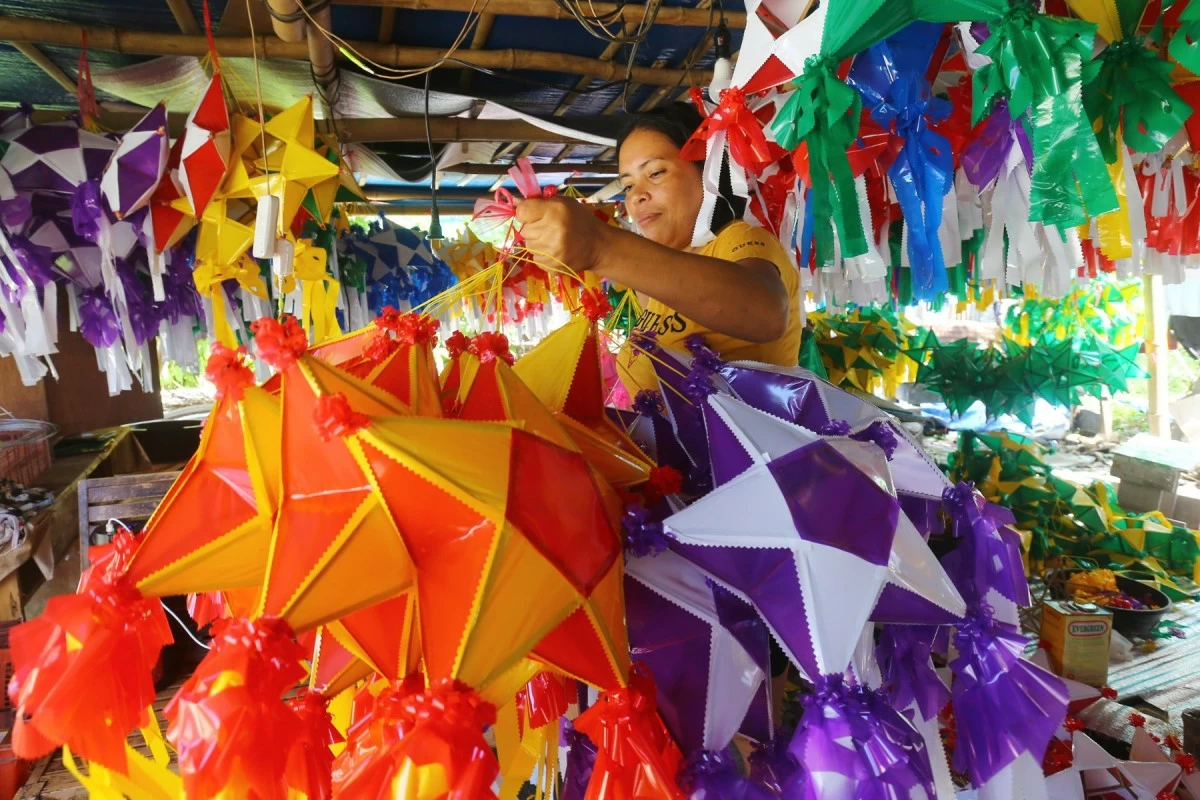
BRIGHT STARS - Members of the Oring Family assemble Christmas lanterns at their shop in Davao City. (Keith Bacongco)
Everywhere we look, they shine brightly, strung up along lamp posts, storefronts, and houses. As we start to find more lanterns lining the streets, let’s delve into the history of how the parol became a staple in Filipino Christmas decor.
Spanish colonial ties
It was during the Spanish colonial era that parols were said to have been first used as a way to light the way for churchgoers off to the Christmas novena procession. Lanterns were also used by actors for the Panunuluyan custom, where folks reenact Joseph and Mary’s search for lodging to give birth to Jesus. Once the procession was finished, the lanterns would be hung up on people’s homes. These early lanterns were made using Japanese paper and bamboo.
Various shapes and sizes
Upon visiting the Clark Museum, there’s a special section explaining the various shapes and sizes of parols that became popular in Pampanga. Before the iconic star design, lanterns were also made in the style of a fish, lamb, and animals from the nativity scene as part of the Lubenas processions in Pampanga. Most sources attribute the five-pointed star parol design to Francisco Estanislao of Bacoor, Pampanga, said to have invented the design in 1908.
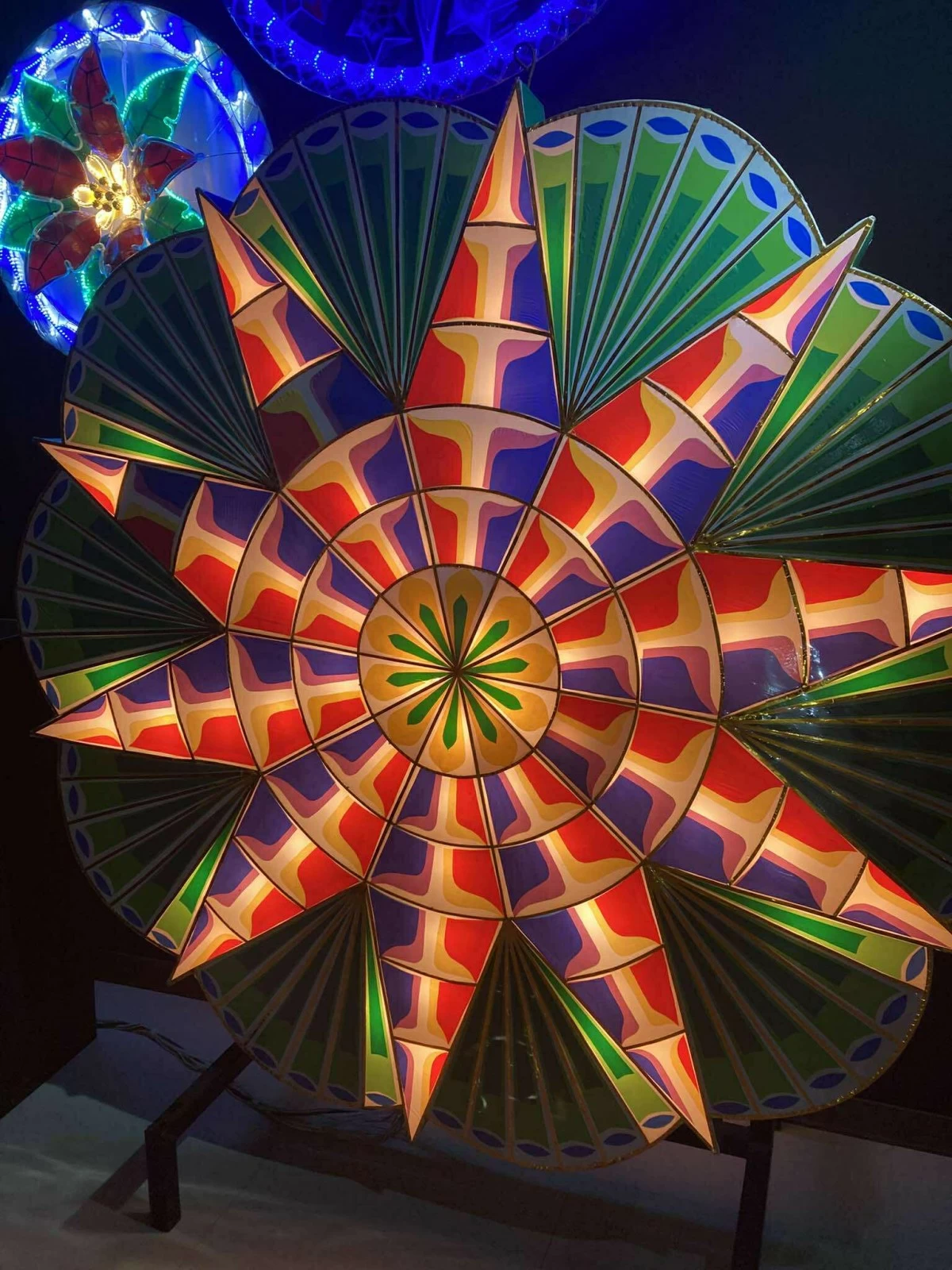
BIG AND BEAUTIFUL - A rotor is used to operate the lights of this giant parol on display at the Clark Museum. (Poch Eulalia)
It is believed that the star represents the very star that guided the three wise men to Jesus’ manger in Bethlehem. Pampanga’s beloved Giant Lantern Festival tradition, where enormous lanterns are built to dazzle crowds and be paraded down the streets, can be traced back to sometime in the 1900s. By the 1950s, another parol innovation would be made by a man named Rodolfo David, who had invented a rotor device that allowed the parol to light up.
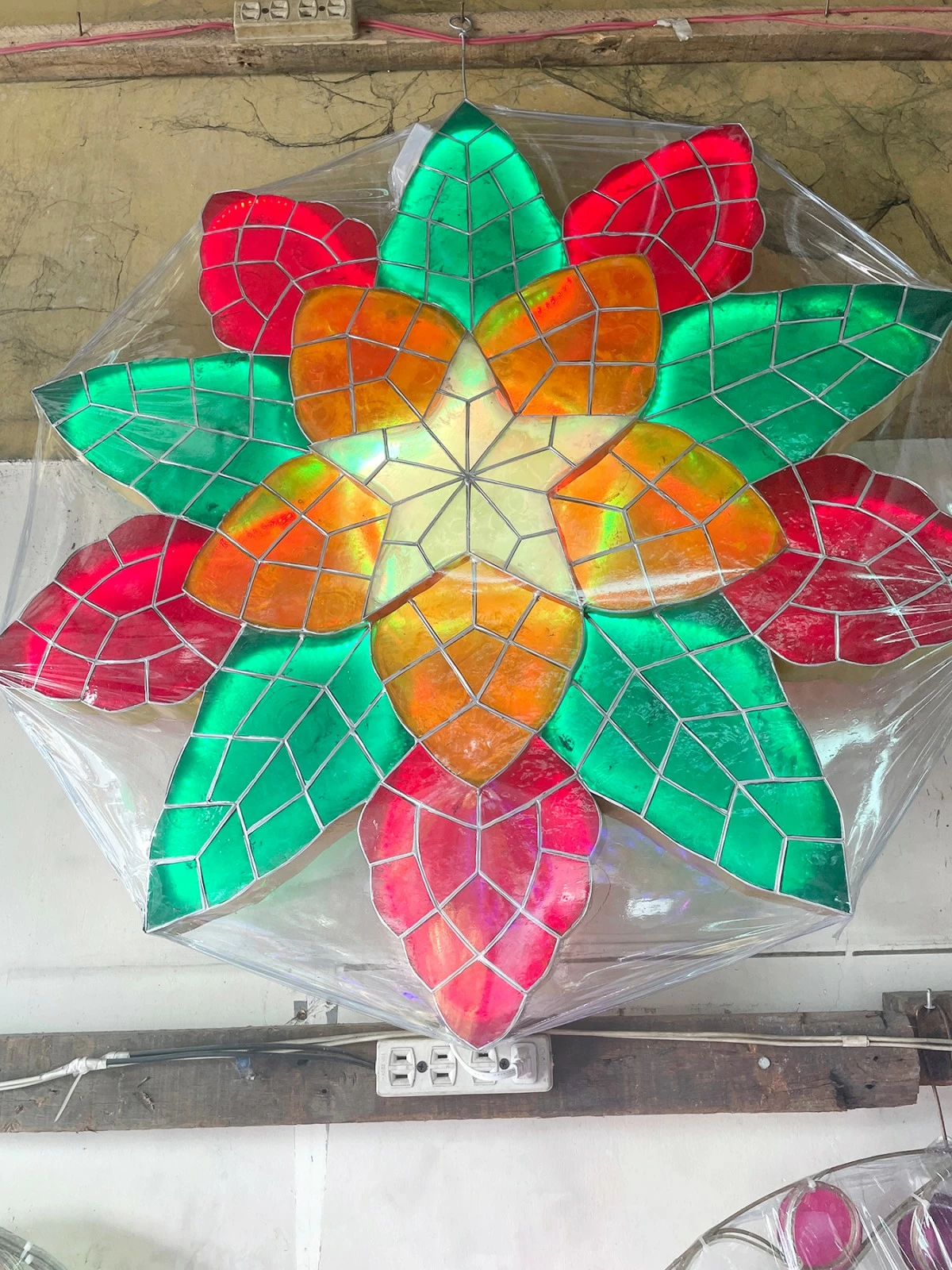
THE Pampanga parol, in their many variations and styles, have become a staple of Filipino Christmas (Jellyn Gueco)
From the rotor parol displayed at the Clark Museum, the device operates by spinning a wheel connected to over 4,000 light bulbs, each housed within a mesh of wires, cardboard, and foil. Multicolored paper and plastic cover these wires up. At the back of the lantern, several yards of electric wire are tangled together. During parades, those spinning the rotors need to synchronize their spinning for the lantern’s lights to match the music playing. Judges then decide the winning lanterns based on how synchronized the lights are to the music and the impact they leave on the audience.
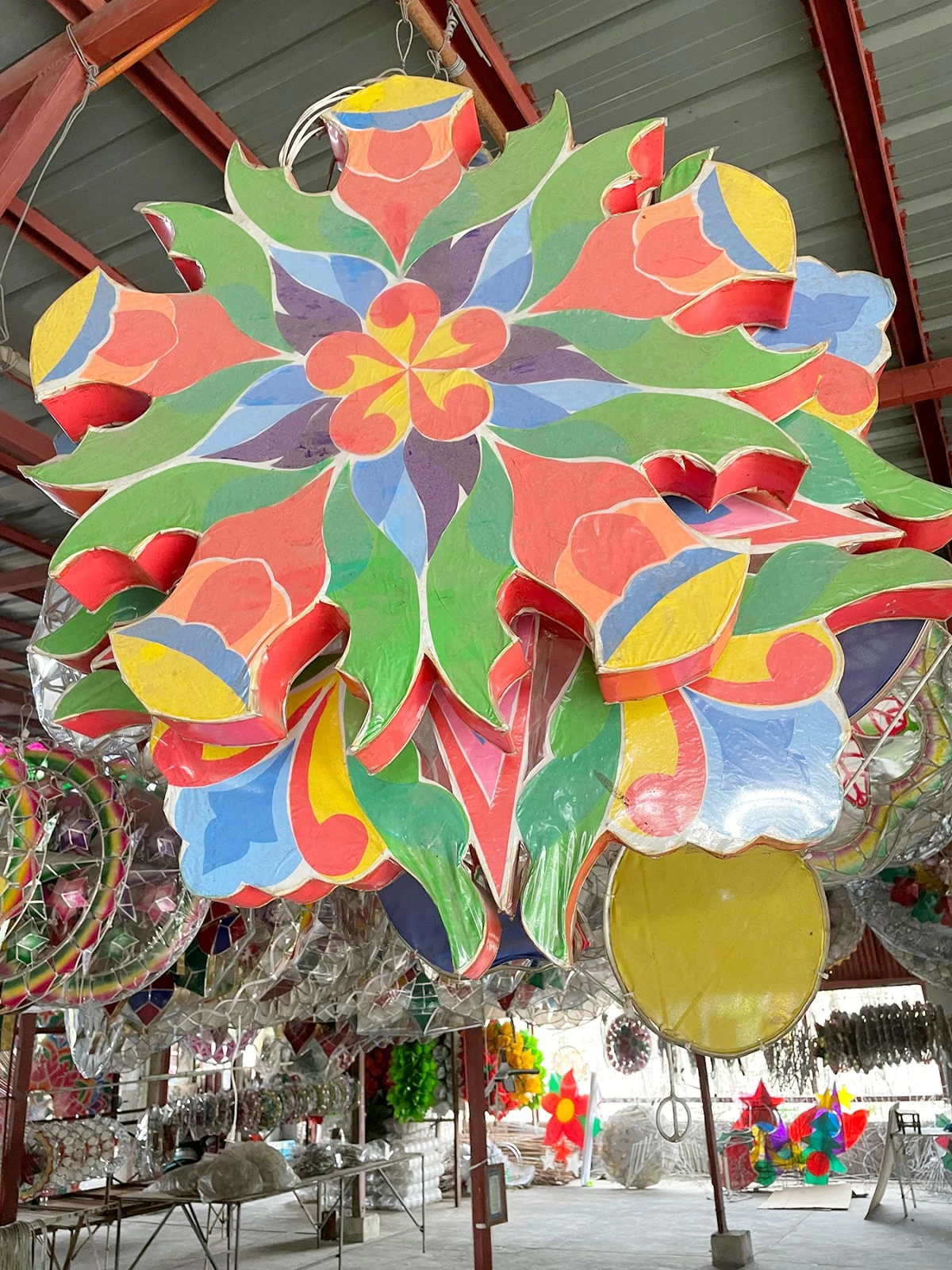
THE Pampanga parol, in their many variations and styles, have become a staple of Filipino Christmas (Jellyn Gueco)
As the Christmas season nears, it’s high time we let our Filipino spirit shine once more by displaying our parols loud and proud. If you’re willing to go the extra mile, make a family effort to gather materials and create your own parols together the old-fashioned way, using items as simple as cellophane paper and barbecue sticks. When we hang these parols up in our homes, it’s a sign of our continued efforts to pass on time-honored Christmas traditions and allow future generations to appreciate them.

Related Tags

HISTORY OF PAROL SPOTLIGHT FEATURES
ADVERTISEMENT
.most-popular .layout-ratio{ padding-bottom: 79.13%; } @media (min-width: 768px) and (max-width: 1024px) { .widget-title { font-size: 15px !important; } }

{{ articles_filter_1561_widget.title }}

.most-popular .layout-ratio{ padding-bottom: 79.13%; } @media (min-width: 768px) and (max-width: 1024px) { .widget-title { font-size: 15px !important; } }

{{ articles_filter_1562_widget.title }}

.most-popular .layout-ratio{ padding-bottom: 79.13%; } @media (min-width: 768px) and (max-width: 1024px) { .widget-title { font-size: 15px !important; } }

{{ articles_filter_1563_widget.title }}

{{ articles_filter_1564_widget.title }}

.mb-article-details { position: relative; } .mb-article-details .article-body-preview, .mb-article-details .article-body-summary{ font-size: 17px; line-height: 30px; font-family: "Libre Caslon Text", serif; color: #000; } .mb-article-details .article-body-preview iframe , .mb-article-details .article-body-summary iframe{ width: 100%; margin: auto; } .read-more-background { background: linear-gradient(180deg, color(display-p3 1.000 1.000 1.000 / 0) 13.75%, color(display-p3 1.000 1.000 1.000 / 0.8) 30.79%, color(display-p3 1.000 1.000 1.000) 72.5%); position: absolute; height: 200px; width: 100%; bottom: 0; display: flex; justify-content: center; align-items: center; padding: 0; } .read-more-background a{ color: #000; } .read-more-btn { padding: 17px 45px; font-family: Inter; font-weight: 700; font-size: 18px; line-height: 16px; text-align: center; vertical-align: middle; border: 1px solid black; background-color: white; } .hidden { display: none; }
function initializeAllSwipers() { // Get all hidden inputs with cms_article_id document.querySelectorAll('[id^="cms_article_id_"]').forEach(function (input) { const cmsArticleId = input.value; const articleSelector = '#article-' + cmsArticleId + ' .body_images'; const swiperElement = document.querySelector(articleSelector); if (swiperElement && !swiperElement.classList.contains('swiper-initialized')) { new Swiper(articleSelector, { loop: true, pagination: false, navigation: { nextEl: '#article-' + cmsArticleId + ' .swiper-button-next', prevEl: '#article-' + cmsArticleId + ' .swiper-button-prev', }, }); } }); } setTimeout(initializeAllSwipers, 3000); const intersectionObserver = new IntersectionObserver( (entries) => { entries.forEach((entry) => { if (entry.isIntersecting) { const newUrl = entry.target.getAttribute("data-url"); if (newUrl) { history.pushState(null, null, newUrl); let article = entry.target; // Extract metadata const author = article.querySelector('.author-section').textContent.replace('By', '').trim(); const section = article.querySelector('.section-info ').textContent.replace(' ', ' '); const title = article.querySelector('.article-title h1').textContent; // Parse URL for Chartbeat path format const parsedUrl = new URL(newUrl, window.location.origin); const cleanUrl = parsedUrl.host + parsedUrl.pathname; // Update Chartbeat configuration if (typeof window._sf_async_config !== 'undefined') { window._sf_async_config.path = cleanUrl; window._sf_async_config.sections = section; window._sf_async_config.authors = author; } // Track virtual page view with Chartbeat if (typeof pSUPERFLY !== 'undefined' && typeof pSUPERFLY.virtualPage === 'function') { try { pSUPERFLY.virtualPage({ path: cleanUrl, title: title, sections: section, authors: author }); } catch (error) { console.error('ping error', error); } } // Optional: Update document title if (title && title !== document.title) { document.title = title; } } } }); }, { threshold: 0.1 } ); function showArticleBody(button) { const article = button.closest("article"); const summary = article.querySelector(".article-body-summary"); const body = article.querySelector(".article-body-preview"); const readMoreSection = article.querySelector(".read-more-background"); // Hide summary and read-more section summary.style.display = "none"; readMoreSection.style.display = "none"; // Show the full article body body.classList.remove("hidden"); } document.addEventListener("DOMContentLoaded", () => { let loadCount = 0; // Track how many times articles are loaded const offset = [1, 2, 3, 4, 5, 6, 7, 8, 9, 10]; // Offset values const currentUrl = window.location.pathname.substring(1); let isLoading = false; // Prevent multiple calls if (!currentUrl) { console.log("Current URL is invalid."); return; } const sentinel = document.getElementById("load-more-sentinel"); if (!sentinel) { console.log("Sentinel element not found."); return; } function isSentinelVisible() { const rect = sentinel.getBoundingClientRect(); return ( rect.top < window.innerHeight && rect.bottom >= 0 ); } function onScroll() { if (isLoading) return; if (isSentinelVisible()) { if (loadCount >= offset.length) { console.log("Maximum load attempts reached."); window.removeEventListener("scroll", onScroll); return; } isLoading = true; const currentOffset = offset[loadCount]; window.loadMoreItems().then(() => { let article = document.querySelector('#widget_1690 > div:nth-last-of-type(2) article'); intersectionObserver.observe(article) loadCount++; }).catch(error => { console.error("Error loading more items:", error); }).finally(() => { isLoading = false; }); } } window.addEventListener("scroll", onScroll); });

Sign up by email to receive news.