






Manila Bulletin
 Philippines
National
SC Senior Associate Justice Leonen urges CPAs to take active role against corruption
Philippines
National
SC Senior Associate Justice Leonen urges CPAs to take active role against corruption
Philippines
National
SC Senior Associate Justice Leonen urges CPAs to take active role against corruption
SC Senior Associate Justice Leonen urges CPAs to take active role against corruption
Published Oct 21, 2025 11:36 am
|
Updated Oct 21, 2025 01:25 pm


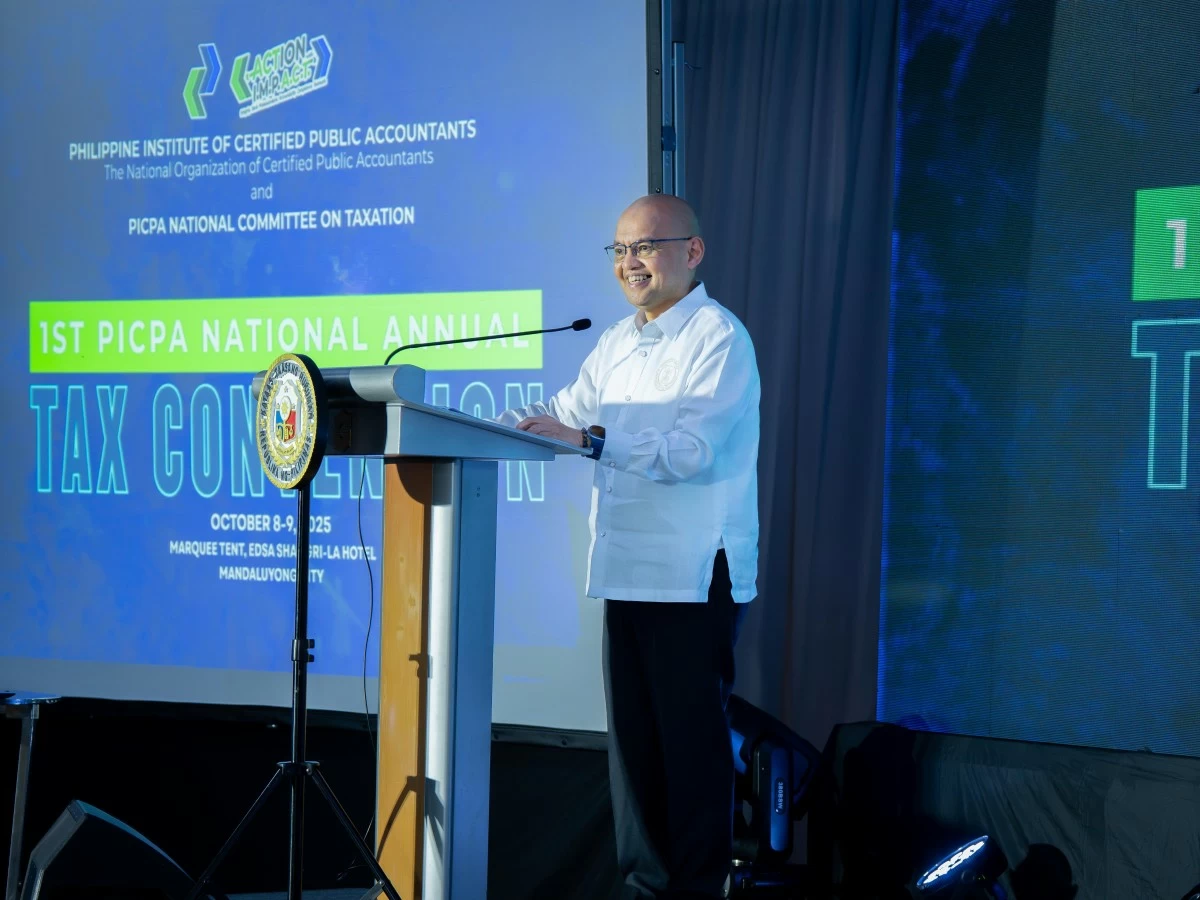
Supreme Court (SC) Senior Associate Justice Marvic M.V.F. Leonen has urged the country’s certified public accountants (CPAs) to take an active role in the fight against corruption.
Leonen warned that corruption is becoming more sophisticated and harder to detect. Because of their training and influence, CPAs must help expose and correct these injustices, he said.
He encouraged them to respond with courage, innovation, and collaboration by adapting strategies, adopting new technologies, and strengthening networks to stay ahead of corrupt practices.
Justice Leonen was guest speaker during the recent National Tax Convention of the Philippine Institute of Certified Public Accounts (PICPA) in Mandaluyong City.
He delivered his keynote address on Reimagining Tax Administration in the Digital Age: Policy, Compliance, and Innovation.
He told PICPA members that as tax and accountancy professionals, “you play a vital role in ensuring that our system is fair and just.”
Taxation is a powerful tool for redistributing wealth, which is essential for social justice, he said as he pointed out that imposing taxes helps to internalize the costs of using property and ensures that the benefits of enterprise contribute to the common good.
He then called on tax professionals to lead the fight against corruption by adopting “a more proactive, ethical, and community-centered approach.”
However, Justice Leonen reminded PICPA members and other tax professionals that meaningful reform will not come easily.
It demands “vigilance, ethical consistency, and the moral courage” to challenge unfair systems and advocate for the marginalized, he pointed out.
“The work you do involves much more than just taxes,” he said. “You are dedicated to creating a better and more equitable society, one where justice rules, inequality is addressed, and every Filipino has the chance to live with dignity and purpose,” he added.
Leonen cited the SC’s five-year Strategic Plan for Judicial Innovations (SPJI) that was launched in October 2022.
He shared how digital transformation -- through initiatives like eCourt PH and the shift toward fully electronic filing -- is making the Judiciary more transparent, efficient, and accessible.
He emphasized that these reforms are not just about modernization, but about restoring public trust and ensuring that justice is delivered fairly and promptly.
The integration of digital platforms and automation, he explained, reduces inefficiencies and increases accountability, particularly in legal processes and tax-related matters, he said.
Justice Leonen stressed that tax professionals, accountants, lawyers, and subject matter experts remain essential “because technology cannot replace the need for careful judgment, ethical standards, and accountability in interpreting and applying the law.”
While digitalization and artificial intelligence can significantly enhance the efficiency of tax systems by automating routine tasks and processing large amounts of data, he cautioned that they lack the human capacity to understand nuanced contexts, anticipate consequences, and navigate complex realities.
Thus, he said, no machine can match human critical thinking, adaptability, and social awareness.
He also said: “Remember, digitalization can streamline processes and lighten overloaded systems so that we can focus on more meaningful issues. It cannot, however, be programmed for social justice. Technology is a tool, and our humanity plays a key role in how it is used. This is where the more crucial work begins.”
PICPA, accredited by the Professional Regulatory Commission, is the national professional organization for CPAs in the Philippines.