






Manila Bulletin
 Lifestyle
Luminaries and Life
Patis Tesoro on why wearing Filipino-made matters more than ever
Lifestyle
Luminaries and Life
Patis Tesoro on why wearing Filipino-made matters more than ever
Lifestyle
Luminaries and Life
Patis Tesoro on why wearing Filipino-made matters more than ever
Patis Tesoro on why wearing Filipino-made matters more than ever
The Grand Dame of Philippine Fashion merges fashion with purpose in 'Filipiniana is Forever'
Published Oct 21, 2025 04:40 pm


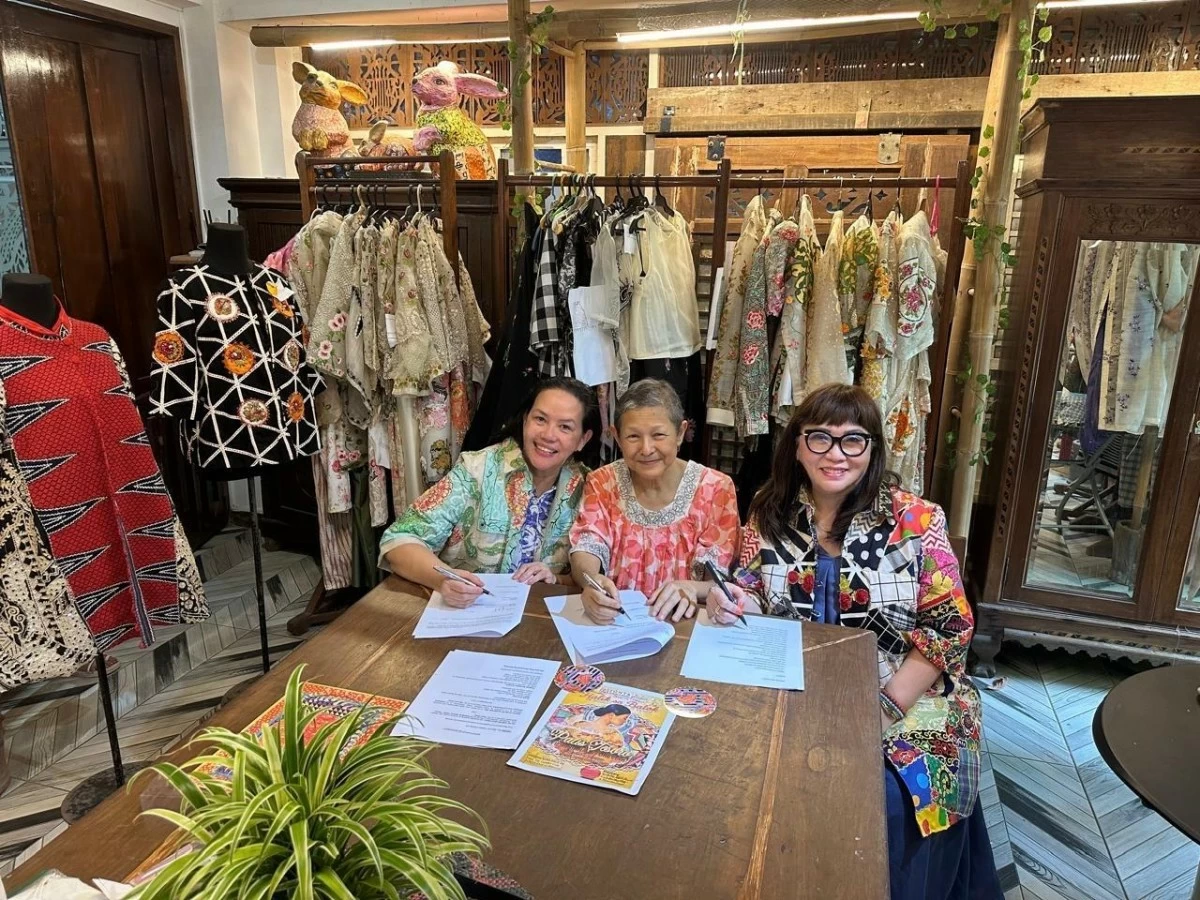
Patis Tesoro with ZTA's Kathleen Liechtenstein and Annie Tangco
For over five decades, Patis Tesoro has stood as the Grand Dame of Philippine Fashion—a cultural guardian whose needle and thread have stitched together history, heritage, and identity. Beyond her mastery of the baro’t saya and piña fabric, she remains a teacher at heart—one determined to pass on her love for Filipino craftsmanship to a new generation of artisans.
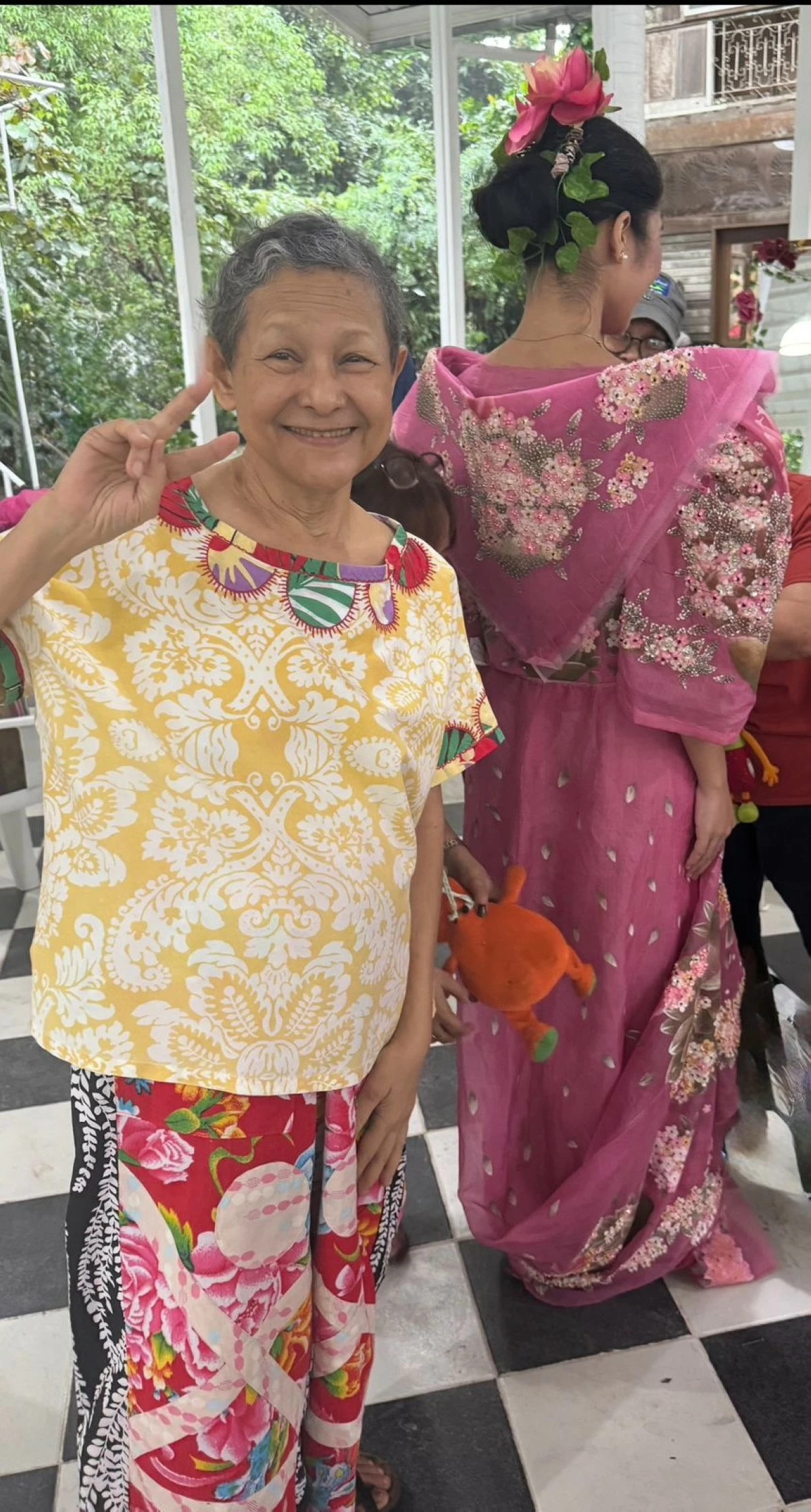
Patis Tesoro
On Nov. 4, 2025, she takes the spotlight once again through “Filipiniana is Forever,” a 100-piece benefit fashion show presented by the Zonta Club of Alabang at the Grand Hyatt Manila in Taguig City. The event celebrates not just her artistry but also her advocacy—empowering women and preserving traditional crafts, all while raising funds for Zonta’s charitable programs.
During the press launch of her show on Oct. 8, 2025, at the Yuchengco Museum, RCBC Plaza in Makati City, Patis spoke about preserving Filipino cultural identity through clothing, sharing advice for the next generation of designers.
What does it take to be a good designer?
Known for reviving the piña fabric in the 1980s and championing natural dyes and traditional embroidery, Patis is deeply concerned about the decline of handmade traditions in the age of fast fashion.
“We’ve lost it,” she says candidly. “How to embroider, how to paint, how to put the dress together. It’s the age of factories—everything is fast.”
Patis recalled that in her younger years, her generation knew how to make embroidery, handkerchiefs, and placemats from scratch, as every newlywed was expected to create their own. Thus, when Manila Bulletin Lifestyle asked her what it takes to become a good designer, she emphasized the importance of knowing one’s roots and learning the basics of sewing.
“A sense of history,” she said. “Knowing how to cut and sew. Many designers depend on the costurera and the cutter. No. I know how to cut. I just don't like to cut. I know how to fit. I can tell you right away what's wrong with the dress. That’s couture. How many designers still do that? Because it’s not their fault. It’s because everything is fast.”
Passing on the legacy
Unknown to many, Patis’s atelier in San Pablo, Laguna, continues to serve as a hub of mentorship and learning. Young students visit during their holidays to train under her guidance—an opportunity to learn techniques that are becoming rare in the era of mass production.
“A lot of students come to me during their holiday,” she shared. “They come and they say, ‘Ma’am, can I work here?’ May konting abilidad (There is potential). So I said, ‘Okay, but you have to follow what I teach you.’ And so little by little, they become better and better, and they earn money.”
Patis also shared with Manila Bulletin Lifestyle that she has an ongoing partnership with the Technical Education and Skills Development Authority (TESDA)—a chance aspiring designers should take advantage of.
“It is great that the young designers are making efforts to incorporate Filipiniana in everyday wear,” she said. “But it’s not just about making dresses, it’s also about craftsmanship. Because Filipino dress is all about burloloy. Burloloy is burda, is painting, is all of that, and we don’t have it as much today.”
Wearing stories, weaving souls
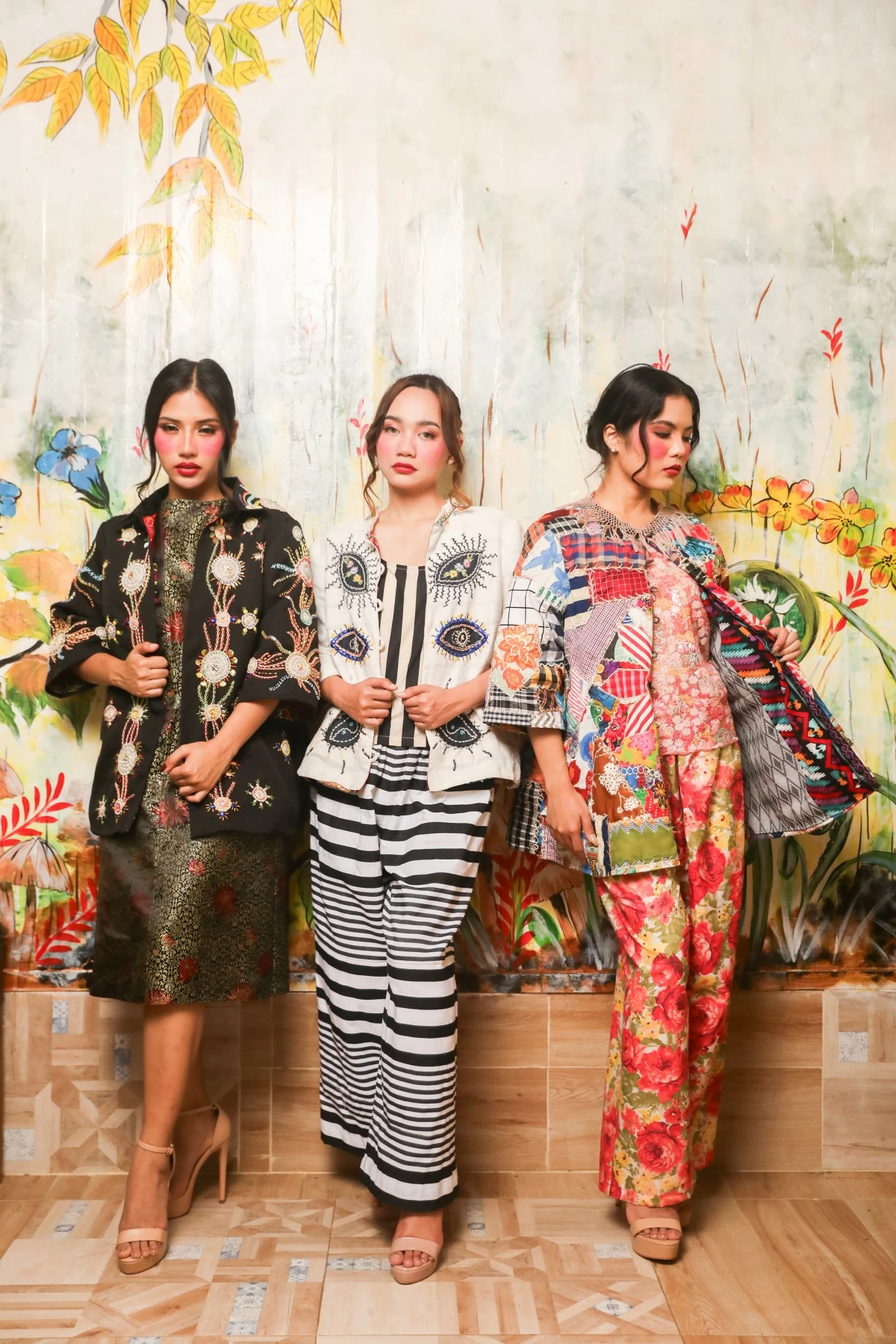
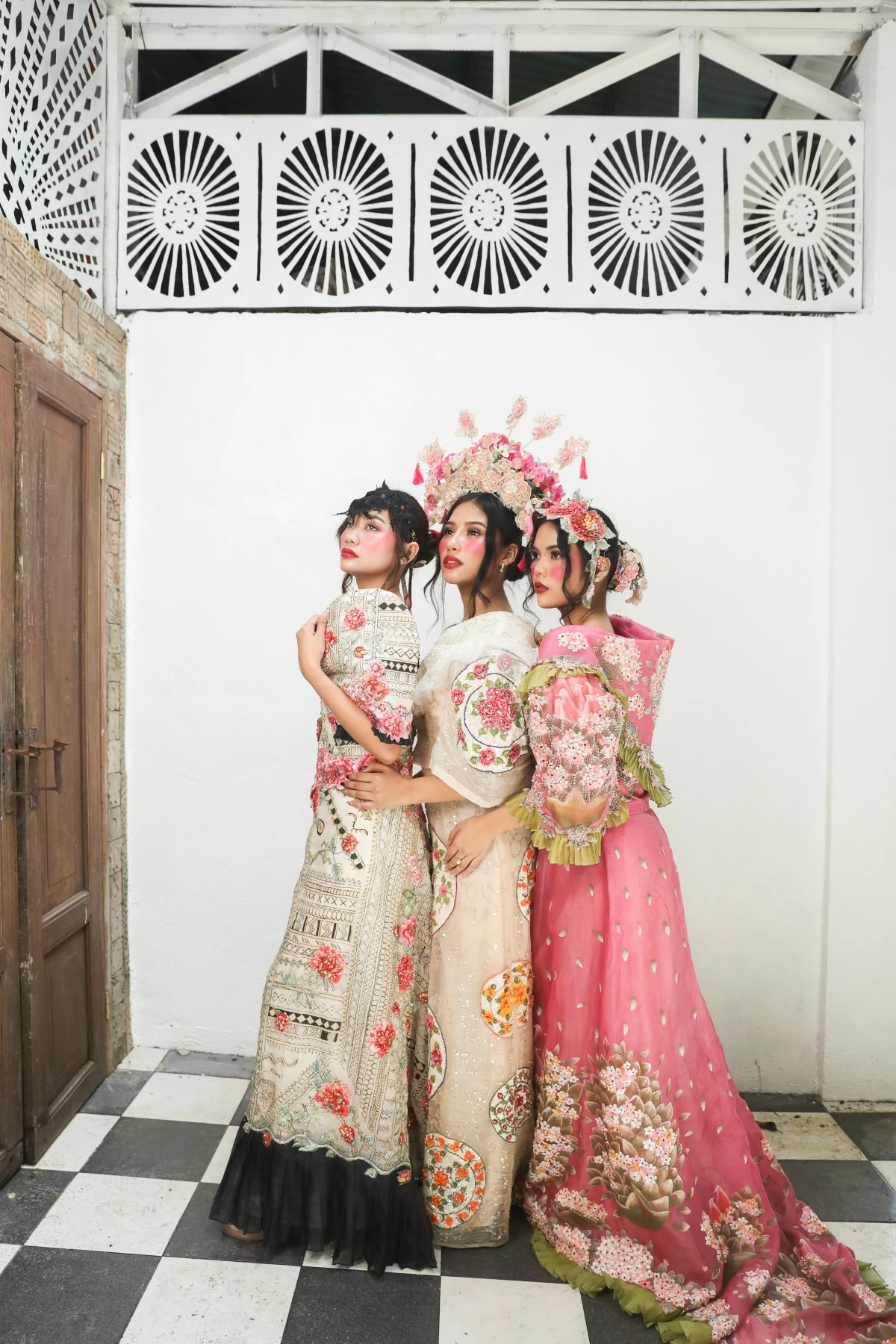
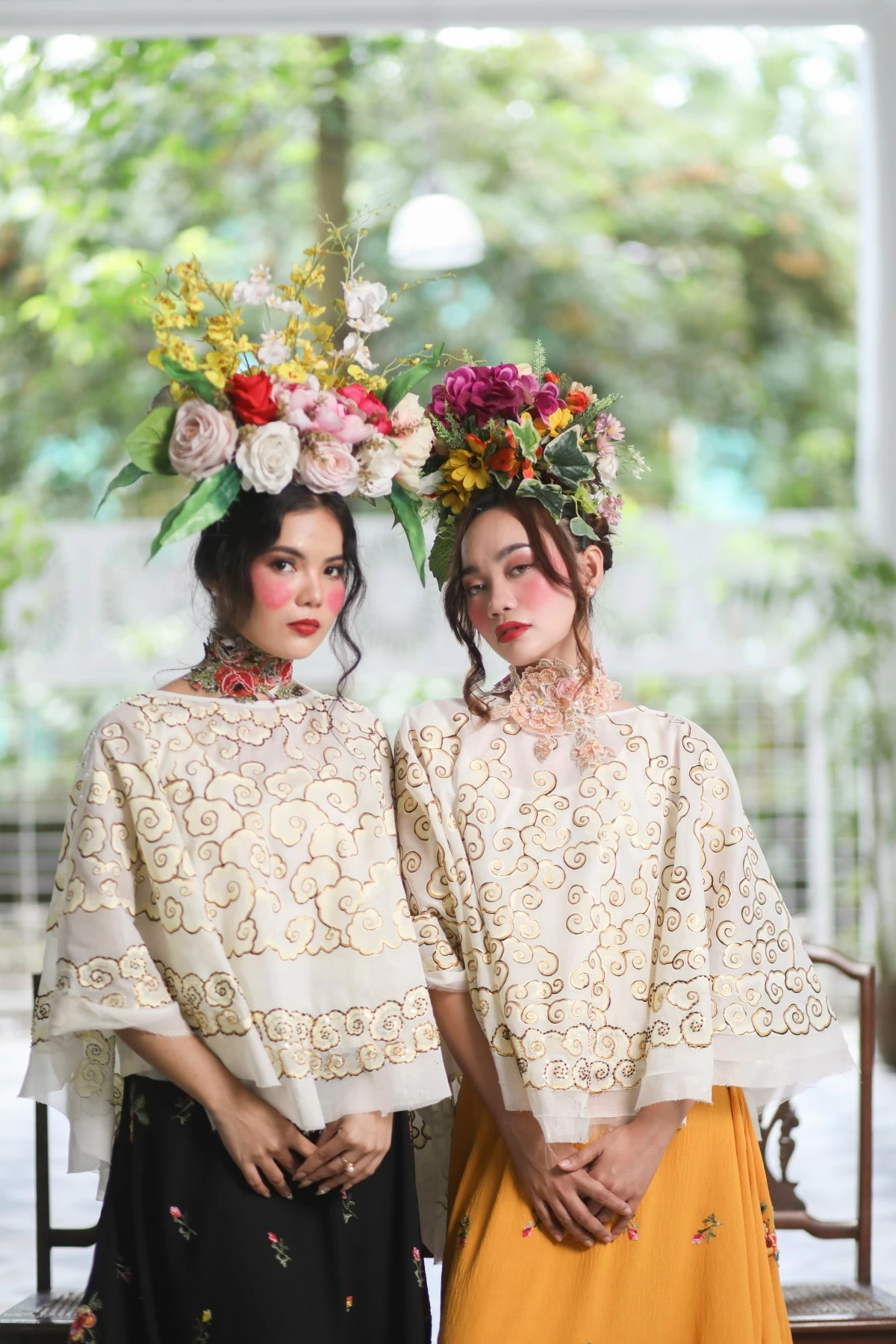
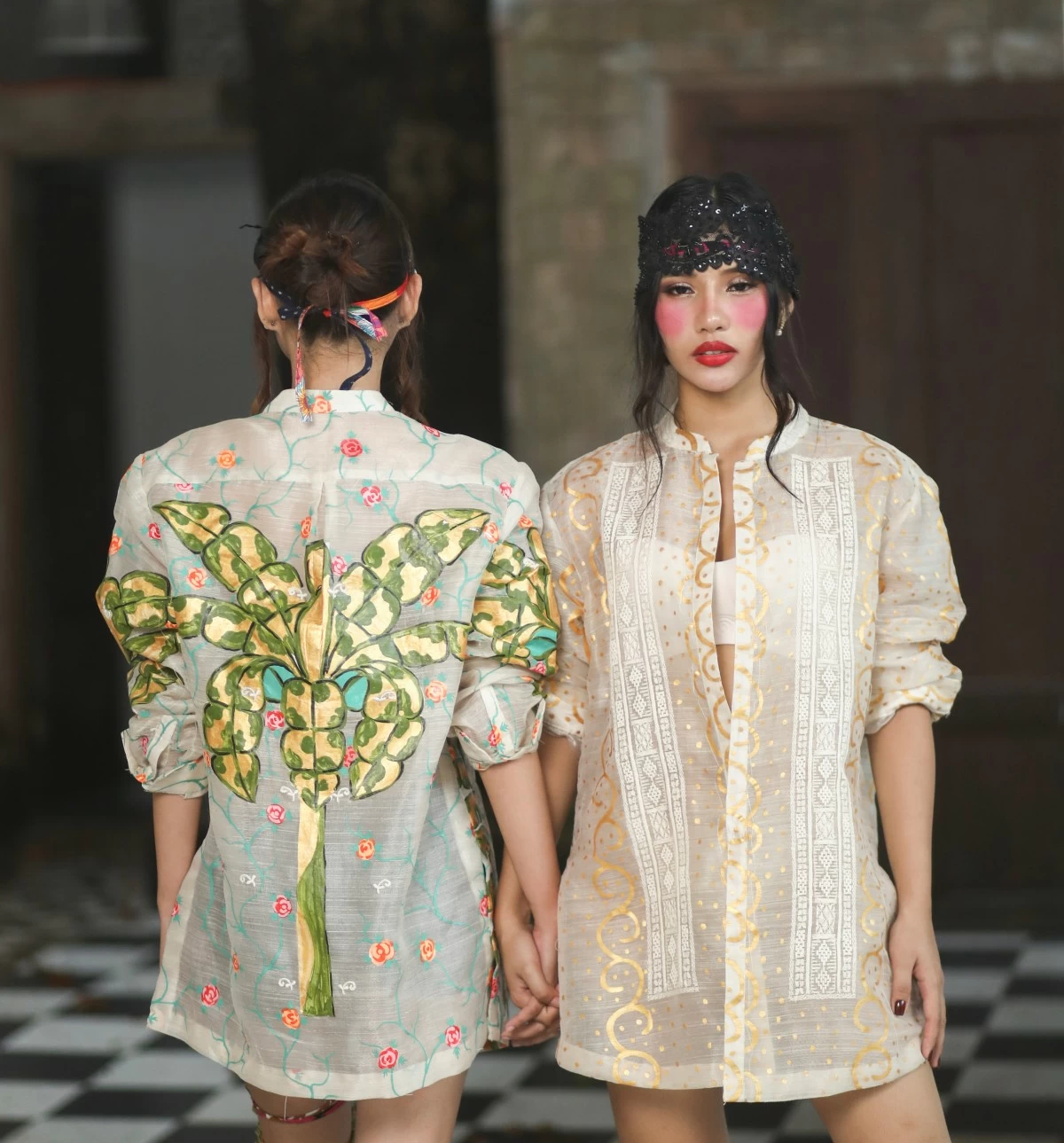
Patis’s “Filipiniana is Forever” collection will feature pieces that are almost entirely handmade. Ninety-five percent of the collection is crafted using handwoven, hand-painted, and hand-beaded materials. She incorporates retasos—fabric remnants and scraps—into her garments as a way to minimize waste and give value to every thread of labor behind each material.
“If you even just have one doily or one triangle of pineapple fiber, you have to wear it,” she said. “You’re wearing people. You may not be wearing the whole piece, but you’re wearing some part of it.”
The event also serves a greater purpose—proceeds from the show will support Zonta’s ongoing projects for women and children. These include health programs such as Nanay for Healthy Livers Para kay Baby and Dibdib Ko, Alaga Ko, as well as initiatives like Saddle Up, an equine therapy program for children undergoing cancer treatment, and Ballet Brigade, a dance outreach program for indigenous youth.
“Her body of work, values, and advocacies align with the Zonta Club of Alabang,” said Kathleen Liechtenstein, president of the Zonta Club of Alabang. “In all her endeavors, Patis has also contributed to empowering women from artisanal communities. Her team, for example, is made up of 90 percent women.”
For Patis, “Filipiniana is Forever” is more than just a title—it is both a statement of faith and a call to action. “For us to remain a country that has its own identity,” she said. “If we lose out to the West and to other influences, what are we as a people? So we have to continue. And that’s why Filipiniana is for us.”
Tickets for Patis Tesoro’s “Filipiniana is Forever” benefit fashion show are available via qlickpass.com or through [email protected].