






 Philippines
National
Alan Cayetano seeks DPWH, DepEd collab to address classroom shortage
Philippines
National
Alan Cayetano seeks DPWH, DepEd collab to address classroom shortage
Alan Cayetano seeks DPWH, DepEd collab to address classroom shortage


At A Glance
- The senator said it is important for the two agencies to work together for the government's school building program to promote equity among students regardless of region.
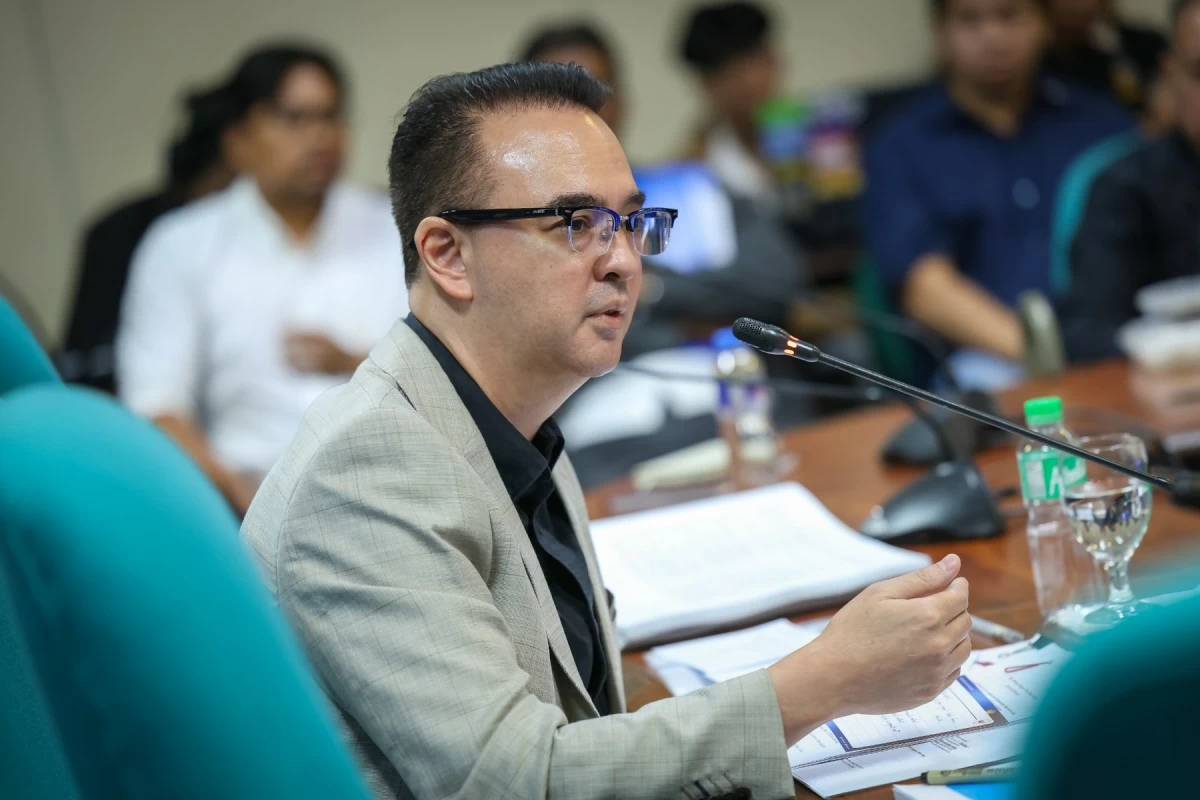
Senate Minority Leader Alan Peter Cayetano said the Department of Public Works and Highways (DPWH) should collaborate with the Department of Education (DepEd) in addressing classroom shortages across the country.
Cayetano said it is important for the two agencies to work together for the government’s school building program to promote equity among students regardless of region.
“Not only coordinating with DepEd, but it would be good if you can have a task force (for this),” Cayetano told DPWH Secretary Vivencio “Vince” Dizon.
During the Senate budget briefing for the DPWH’s proposed 2026 budget on Monday, October 20, Cayetano cited data from the Second Congressional Commission on Education (EDCOM II) showing that thousands of public schools continue to operate in double or triple shifts because of the lack of classrooms.
“I have here a one-page summary from EDCOM that says 36,559 schools are single-shift, 2,591 double-shift, and 216 for triple shift. If you can have a task force, there are many reasons why this was neglected,” the senator said.
“The problem with three shifts, it shows that the schools no longer have available rooms. They need a new school that students can transfer to,” he said.
Most triple-shift schools are concentrated in seven regions, including the National Capital Region (NCR), Region 10, Region 4A, and Region 3, Cayetano noted, adding that such conditions make learning unequal among Filipino students.
He pointed out having multiple shifts means students receive less learning time. This disparity in the regions should guide how the government allocates funds for classroom construction.
He also urged the DPWH to coordinate with DepEd and the Commission on Higher Education (CHED) in designing and prioritizing new academic buildings, saying education infrastructure must reflect fairness and inclusivity in national development.
“If you're talking to CHED and they want to build a specially designed academic building or school building, this is where coordination becomes important,” he said.