







Legarda brings Rizal's legacy to the Frankfurt Book Fair
Published Oct 20, 2025 09:39 pm


Legarda reconnects Rizal’s anthropological legacy through digital exhibition at Frankfurt Book Fair
Senator Loren Legarda celebrated the completion of a twelve-year cultural mission by launching a digital exhibition of ethnographic objects that Dr. José Rizal once donated to German scholars. Legarda first saw the collection in 2013 at the Berlin Ethnological Museum. It includes textiles and artifacts like a Bagobo blouse, a Manobo jacket, and a Mandaya abaca baby carrier. Rizal gave these items to Dr. Adolf Bastian while he was in Europe.
“This was Rizal not only as a writer, but as an ethnographer. He documented the richness and complexity of the Filipino way of life.” Legarda said.
Determined to bring the collection into public view, Legarda proposed an exhibition in Manila, working closely with the National Museum of the Philippines (NMP). Though the pandemic delayed the physical exhibit, years of advocacy led to a breakthrough: access was granted for Filipino scholars to study and digitize the collection.
The project led to a fully digital exhibition, co-curated by Dr. Maria Cristina Martinez-Juan with support from NMP Director General Jeremy Barns, and NMP Deputy Director General Arvin Villalon. The exhibition offers high-resolution images, material analysis, and hybrid lectures that add depth to the study of Rizal’s anthropological work. Legarda described it as heritage recovered through persistence and partnership, showing that diplomacy can flourish in museums, universities, and the sharing of knowledge, not just in negotiation rooms.
Launched during the Philippines’ Guest of Honour program at the 77th Frankfurt Book Fair, the exhibition expands the country’s presence beyond literature into science, anthropology, and shared human heritage.
“Rizal’s gesture of friendship with German scholars has come full circle. I invite everyone to explore this exhibition, to listen to the stories embedded in each item, and to see how our heritage now connects us anew across nations and generations.” Legarda concluded.
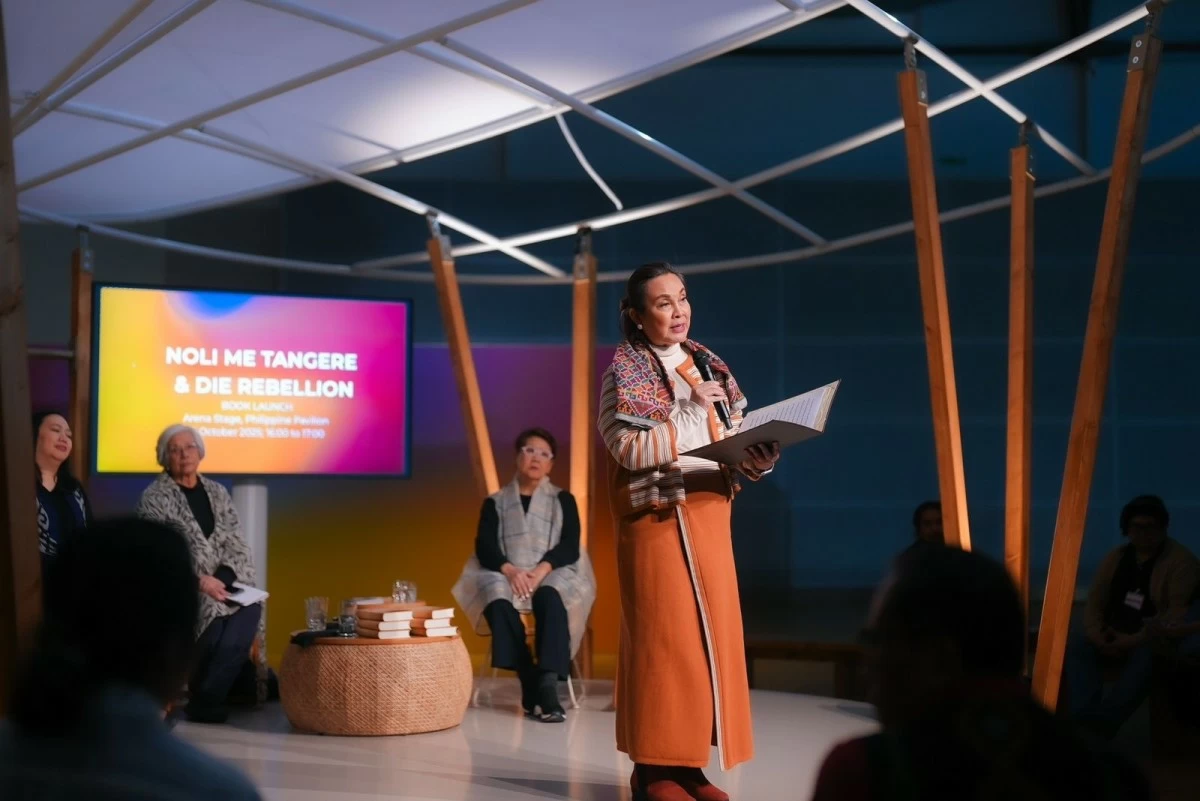
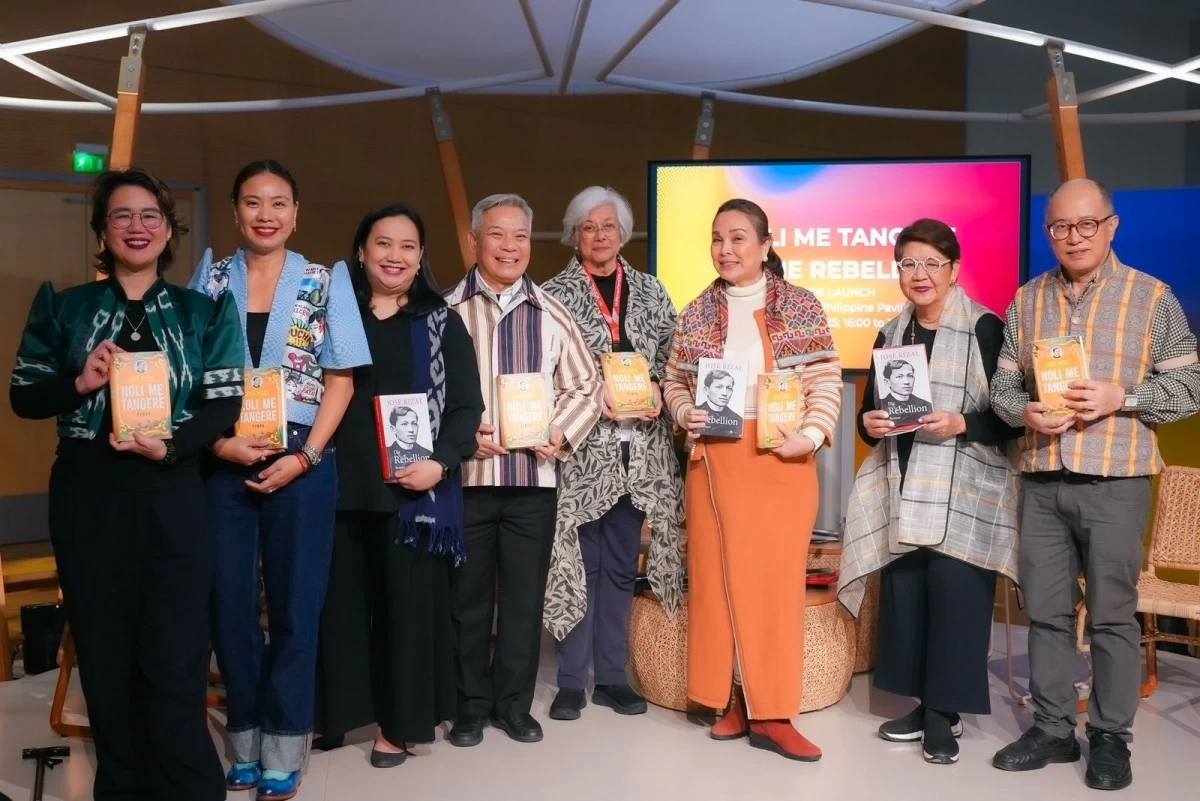
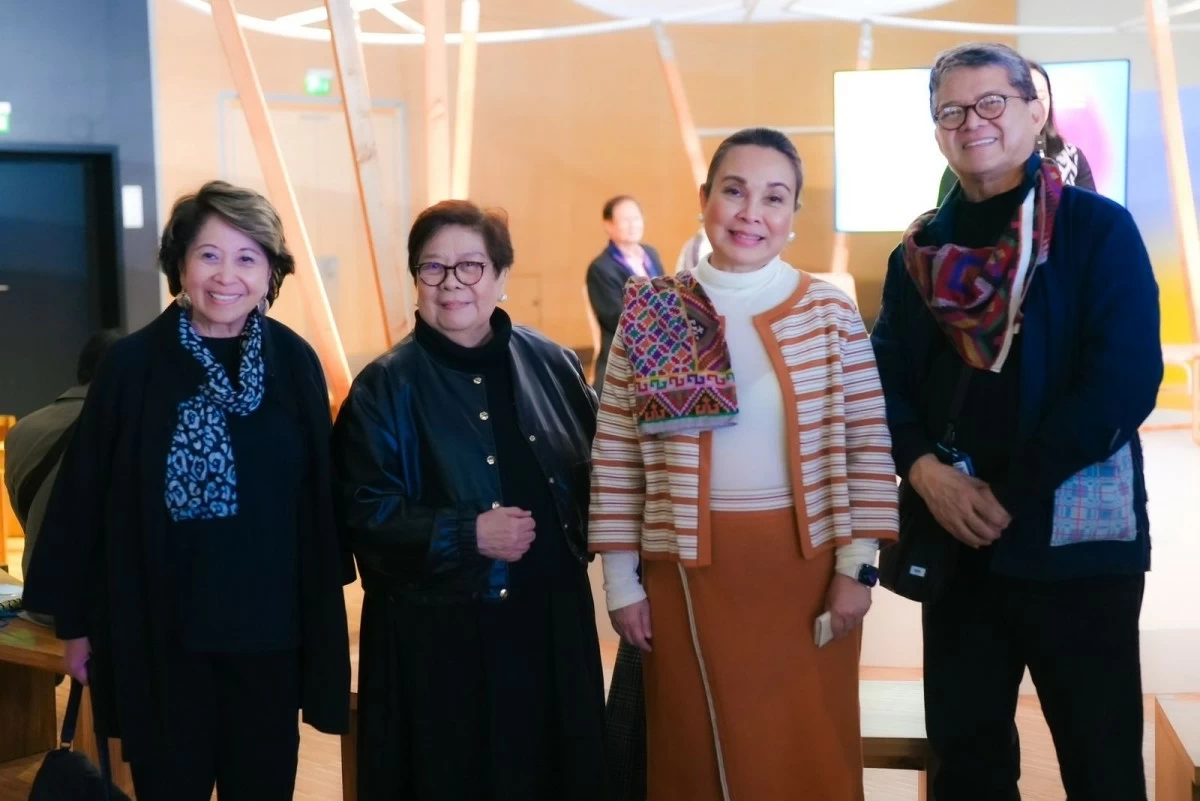
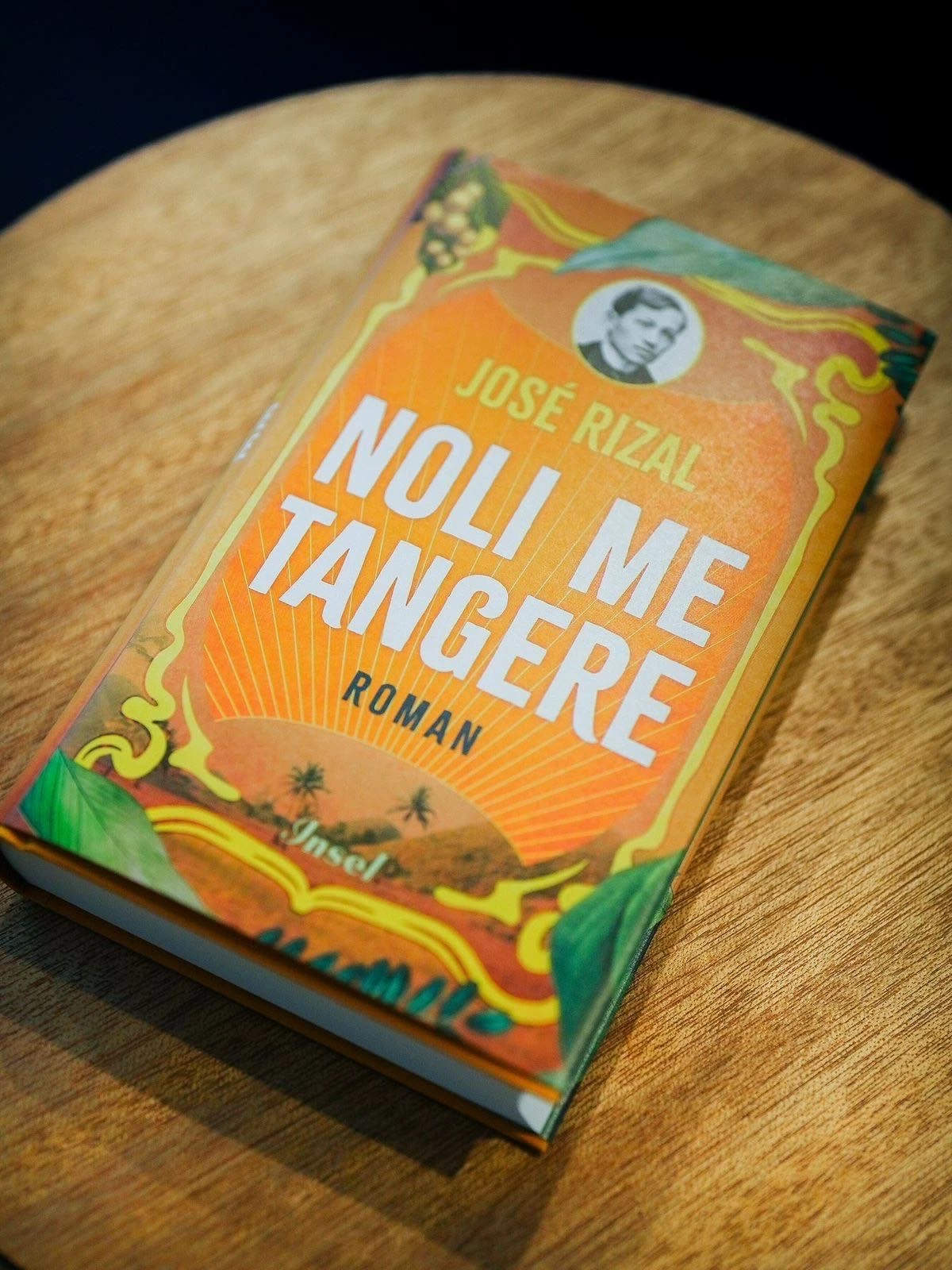
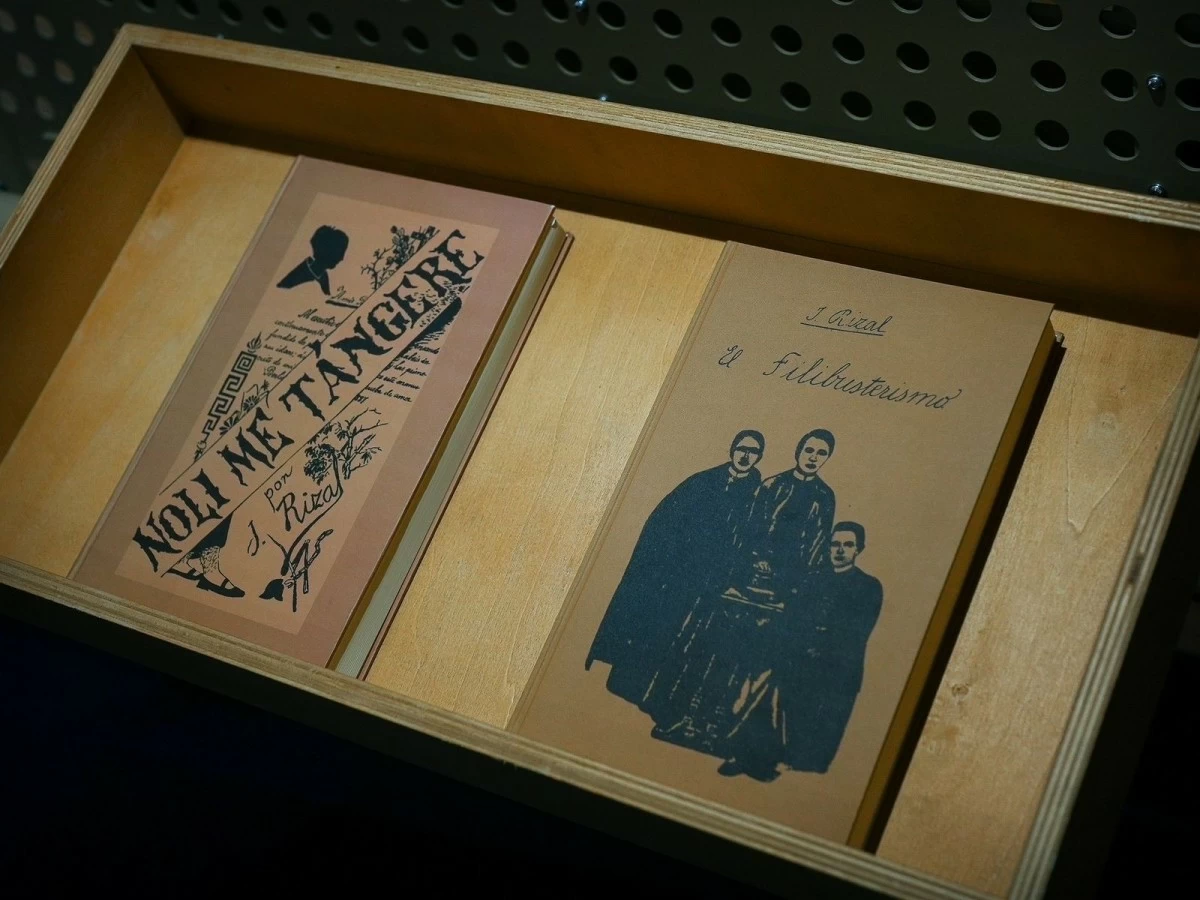
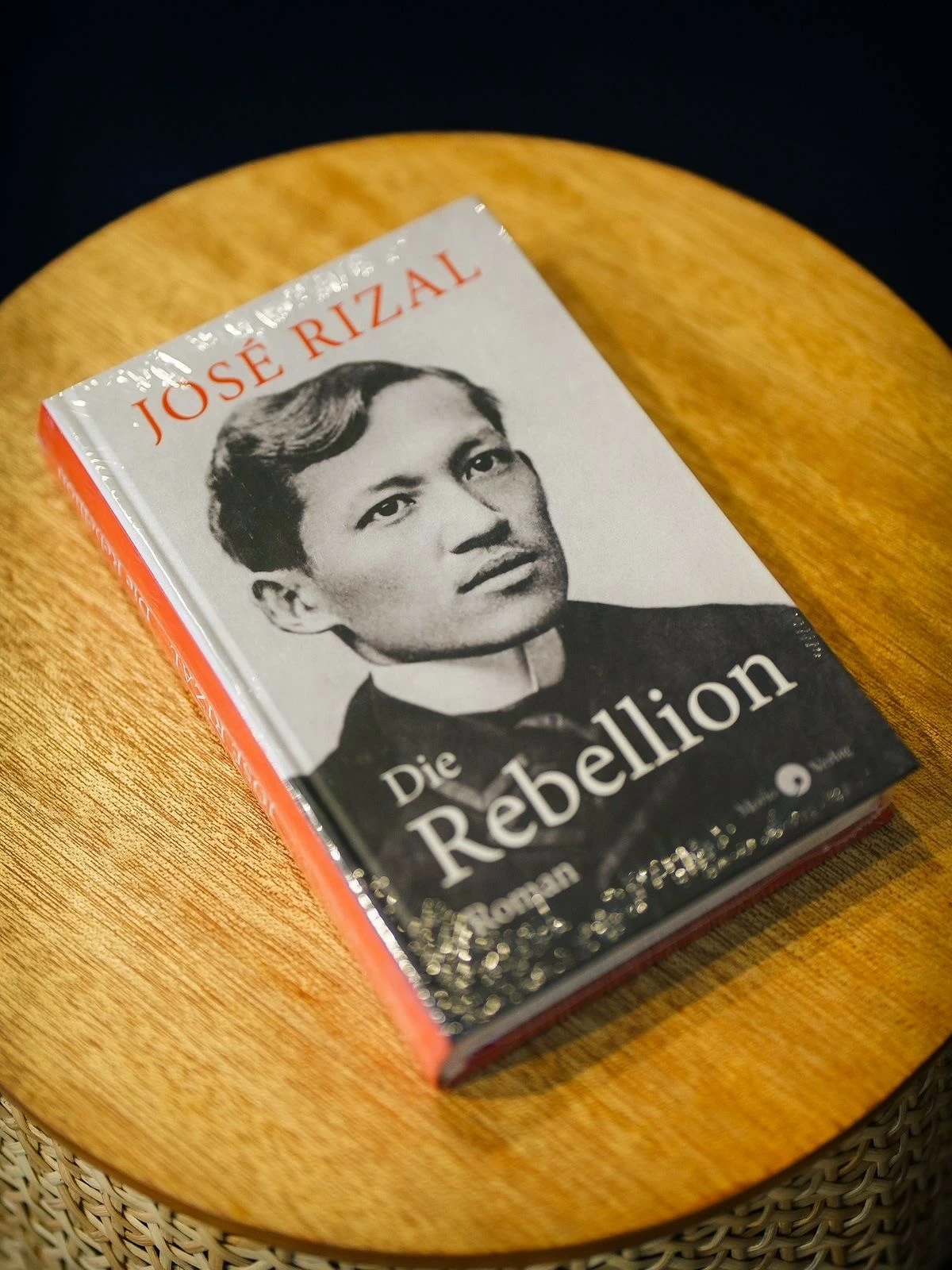
Legarda honors Rizal’s legacy at launch of German translations of Noli, El Fili
Speaking before an international audience, Legarda expressed gratitude to Suhrkamp Verlag, Morio Verlag, and the translators and scholars who brought Rizal’s seminal works to German readers.
“Rizal continues to speak to the world, not as a cry of the oppressed, but as an invitation to dialogue between past and present, between nations, and between cultures committed to the common good,” Legarda said.
Legarda, who chairs the Senate Committee on Culture and the Arts, spoke about the meaning of launching the translations in Frankfurt, close to Berlin, and Ghent, where Rizal’s novels were first published more than a hundred years ago. The senator said that Noli and El Fili are still important today, as they address issues like global injustice, elite indifference, and the loss of truth.
“Rizal believed that reform begins with the mind. Knowledge is the first act of resistance.” Legarda explained.
Legarda framed the launch as more than a literary milestone.
“This is an act of renewal. A promise that our stories, when shared beyond our borders, can still change lives and nations.” Legarda said.
She called on Filipinos abroad to embrace Rizal’s legacy as a guide for national survival, and encouraged German readers to see the translations as bridges of understanding.
Quoting Crisostomo Ibarra, Rizal’s alter ego in Noli Me Tangere, Legarda concludes with a call to conscience: “I seek truth by means of study, for I wish to be human.”
She added, “To learn is to live with purpose. Our shared humanity is strengthened each time we seek truth, justice, and compassion.”