






Manila Bulletin
 Business
Banking & Finance
Filipinos seen borrowing more in Q4 on cheaper credit, holiday remittances surge
Business
Banking & Finance
Filipinos seen borrowing more in Q4 on cheaper credit, holiday remittances surge
Business
Banking & Finance
Filipinos seen borrowing more in Q4 on cheaper credit, holiday remittances surge
Filipinos seen borrowing more in Q4 on cheaper credit, holiday remittances surge
By Derco Rosal
Published Oct 20, 2025 01:11 pm


At A Glance
- TransUnion Philippines expects Filipinos to borrow more during the upcoming holiday season, driven by over three-year-low key borrowing costs set by the Bangko Sentral ng Pilipinas (BSP) and the looming spike in remittances.
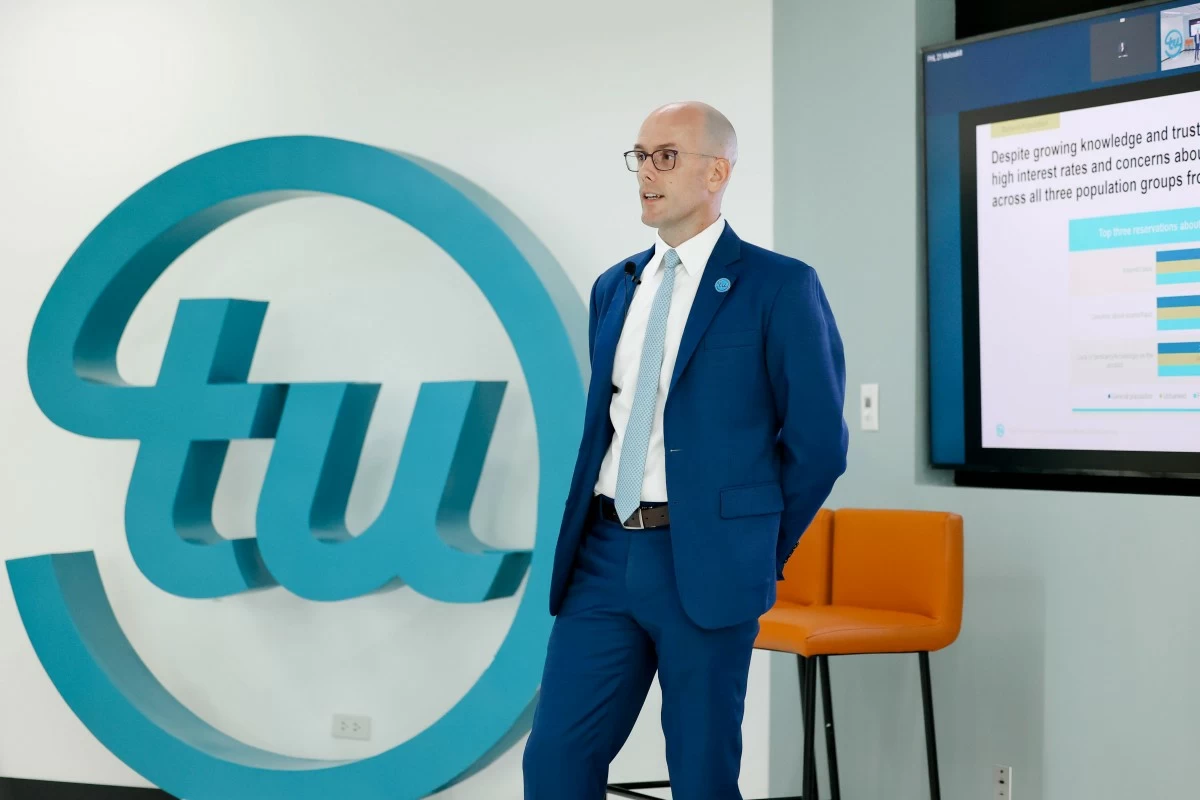
TransUnion Philippines expects Filipinos to borrow more during the upcoming holiday season, driven by over three-year-low key borrowing costs set by the Bangko Sentral ng Pilipinas (BSP) and the looming spike in remittances.
“TransUnion Philippines anticipates stronger consumer credit activity as the country enters the ‘ber’ months,” the global information and insights company said in a statement released on Monday, Oct. 20.
This comes as the BSP this month delivered a surprise reduction in the key policy rate by a quarter of a point to 4.75 percent from five percent previously, due to a dimmer growth outlook amid infrastructure spending issues stemming from the misuse of public infrastructure funds.
Since January, the BSP has so far reduced interest rates by a cumulative 100 basis points (bps).
According to TransUnion, the central bank’s timing for its latest easing parallels the country’s “peak retail and remittance season, when spending typically accelerates from September to December.”
“Lower borrowing costs are likely to drive increased loan demand and higher average spend, particularly across consumer products such as credit cards, personal loans, and buy now, pay later (BNPL) offerings,” TransUnion said.
Given the expected spike in cash coming in from Filipinos working and living overseas, TransUnion anticipates delinquencies “to remain stable or even improve slightly.” Remittance inflows typically enhance the capacity of borrowers to repay their debts.
Philippine banks’ bad loan ratio climbed to 3.5 percent in the first nine months as borrowers’ ability to repay debts weakened due to muted business activities, mainly from weather disruptions and trade setbacks.
According to the latest data from the BSP, the banking industry’s non-performing loan (NPL) ratio worsened further to a nine-month high in August. It first rose in July, reaching its highest level in eight months at 3.4 percent.
Meanwhile, TransUnion Philippines President and Chief Executive Officer (CEO) Peter Faulhaber said the central bank’s latest easing “sets the stage for a more active lending environment as we move through the ‘ber’ months.
“It’s a timely boost for consumers preparing for the holidays and for lenders aiming to meet that demand,” Faulhaber said.