






Manila Bulletin
 Philippines
National
Advocacy group calls for transparency, accountability as 2026 education budget reaches record high
Philippines
National
Advocacy group calls for transparency, accountability as 2026 education budget reaches record high
Philippines
National
Advocacy group calls for transparency, accountability as 2026 education budget reaches record high
Advocacy group calls for transparency, accountability as 2026 education budget reaches record high
PBEd urges clarity on record-high education spending
Published Oct 20, 2025 01:45 pm


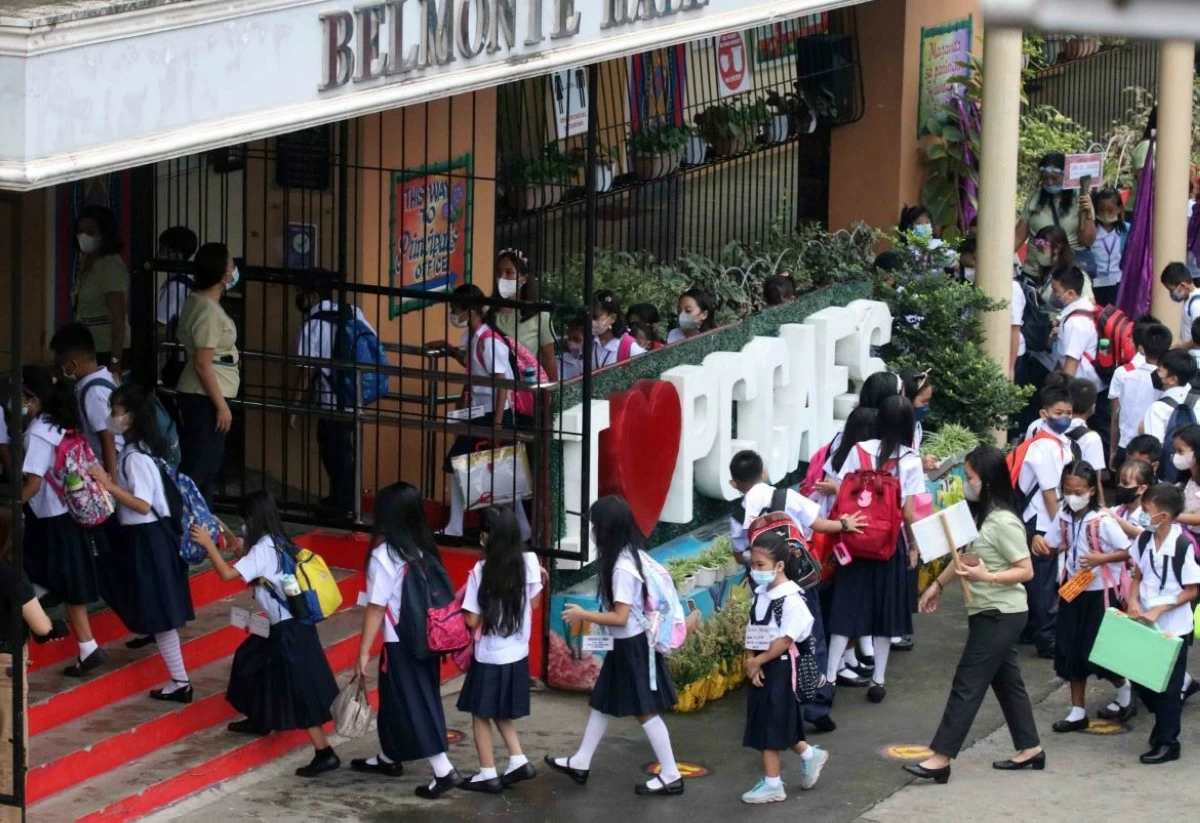
The Philippine Business for Education (PBEd) calls for transparency and accountability as the 2026 education budget hits a record P1.28 trillion, urging government agencies to ensure that the increase leads to genuine improvements in learning outcomes. (Manila Bulletin / file photo)
Emphasizing the need to ensure that the massive allocation translates to genuine improvements in learning outcomes, the Philippine Business for Education (PBEd) has called for full transparency and accountability in the use of the record-high P1.28-trillion education budget for 2026.
In a statement issued on October 19, PBEd Executive Director Bal Camua welcomed the increased investment but warned that without a clear and detailed breakdown of how the funds will be distributed and used, it would remain difficult to determine whether the budget will bring about meaningful progress in the education sector.
“The growing investment in the education sector is a welcome development, but without clear data on how funds will be distributed and used, it remains difficult to assess whether the budget will lead to meaningful improvements in learning outcomes,” Camua said.
Underinvestment has long hindered national development
He added that decades of underinvestment in education have significantly hindered national development and economic competitiveness, noting that most Filipino learners depend on the public school system.
“Given that most Filipino learners depend on the public education system, decades of underinvestment in education have significantly hindered national development and economic competitiveness,” Camua added.
Philippines aims to meet UNESCO’s global spending benchmark
The United Nations Educational, Scientific and Cultural Organization (UNESCO) recommends that countries allocate 4 to 6 percent of their gross domestic product (GDP) to education — a standard that the Philippines has consistently fallen short of in previous years.
However, with the House of Representatives’ recent approval of House Bill No. 4058 or the 2026 General Appropriations Bill, education spending is expected to reach an all-time high.
According to House Committee on Appropriations Chair Rep. Mikaela Suansing, the P1.28-trillion allocation will finally meet the global benchmark of at least four percent of GDP.
PBEd calls for data-driven and transparent allocation
Camua said PBEd supports the increase but urged Congress, the Department of Budget and Management (DBM), and other key agencies to make the allocation process transparent and data-driven.
“As the budget process moves forward, we recommend that Congress and key government agencies — including the Department of Budget and Management — provide clear, detailed, and accessible information not only on how education funds will be allocated and what outcomes are expected, but also on the methodology used to determine that the allocation meets the four percent of GDP benchmark,” Camua said.
Spending must focus on classrooms, teachers, and learning access
PBEd also stressed that higher spending must be guided by strategy and evidence, focusing on the most urgent needs in the system — building more classrooms, expanding school feeding programs, improving access to learning materials and digital tools, hiring and supporting teachers and school heads, and sustaining programs such as free higher education.
“A whole-of-society approach — rooted in transparency, systematic planning, and shared accountability — is crucial to transforming budget allocations into real improvements that empower every Filipino learner to succeed and contribute to national development,” Camua said.