






Manila Bulletin
 Philippines
National
Villafuertes agree: 'The Big One' quake study needs to be reviewed
Philippines
National
Villafuertes agree: 'The Big One' quake study needs to be reviewed
Philippines
National
Villafuertes agree: 'The Big One' quake study needs to be reviewed
Villafuertes agree: 'The Big One' quake study needs to be reviewed
Published Oct 19, 2025 02:07 pm


At A Glance
- A 20-year-old study on the potential impact of "The Big One" earthquake that could hit Metro Manila and neighboring provinces is due for reassessment.
(Unsplash)
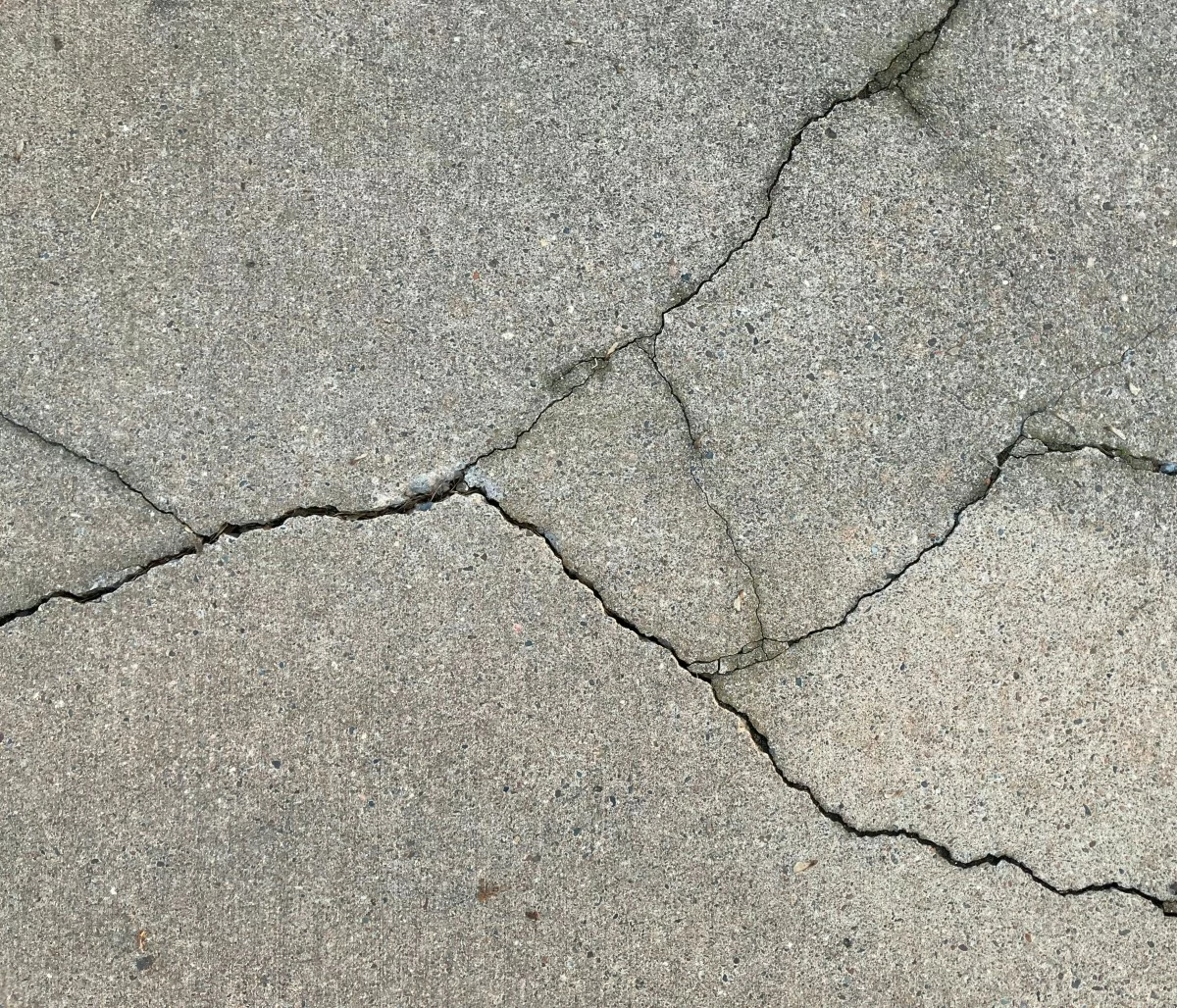
A 20-year-old study on the potential impact of "The Big One” earthquake that could hit Metro Manila and neighboring provinces is due for reassessment.
Thus, said Camarines Sur 5th district Rep. Migz Villafuerte and Camarines Sur 2nd district Rep. Luigi Villafuerte amid the public interest--and growing paranoia--that have been caused by the spate of strong earthquakes across the country.
Specifically, the Villafuertes are are backing a plan by the Philippine Institute of Volcanology and Seismology (Phivolcs) and the Japan International Cooperation Agency (JICA) to revisit their two-decade-old study.
“We have no idea yet when in 2026, but definitely it (review of JICA study) will start next year,” Phivolcs Director Teresito Bacolcol was quoted as saying in the Saturday News Forum in Quezon City last Oct. 4.
Bacolcol reportedly said the Metro Manila Earthquake Impact Reduction Study, which was conducted in 2004 by JICA with Phivolcs and the Metro Manila Development Authority (MMDA), assessed that the movement of the 100-kilometer (km) West Valley Fault (WVF) or Marikina Valley fault line would trigger a major earthquake.
He said the worst earthquake to hit the Philippines thus far happened in August 1976 when a tremor traced to the Cotabato Trench killed around 8,000 people.
While expressing their sympathies for the victims of the earthquakes that successively shook Cebu, La Union, Davao Oriental, Zambales, Surigao del Sur, Southern Leyte, Iloilo and Ilocos Norte, the two solons also hoped these catastrophes would give impetus to the enactment of a bill that the House of Representatives had long approved to make local infrastructure works more resistant to tremors and other natural disasters.
“As we express our deepest sympathies for the victims of the recent earthquakes in various provinces from Cebu to Ilocos Norte, we hope this spate of tremors would give impetus to the Congress to act timely on a consolidated version of the House-approved bill in the 19th Congress meant to overhaul our Philippine Building Code (PBC), which was issued in 1997 yet,” the Villafuertes said.
“Given the fast-evolving developments, including the emergence of the Philippines as one of the countries most vulnerable to the impact of natural disasters touched off by climate change, we need a new building code aligned with the most modern engineering standards and attuned to the worsening climate-induced environmental calamities,” they said.
The PBC was established through President Decree (PD) No. 1096 that was issued in 1977 to set standards for the design, construction and maintenance of structures in the country.
In the 19th Congress, the House had passed on third and final reading House Bill (HB) No. 8500 that sought to replace the PBC.
Among the authors of the House-approved HB No.8500 were Migz Villafuerte, Camarines Sur 1st district Rep. Tsuyoshi Anthony Horibata, the Bicol Saro Party-list and then-Camarines Sur 2nd district Rep. and now Governor LRay Villafuerte.
In the current 20th Congress, Migz Villafuerte, Luigi Villafuerte, Horibata and Bico Saro Party-list Rep. Terry Ridon introduced HB No.2396, which proposes the “New Philippine Building Act".
“Our national building code is ripe for an overhaul to make Philippine infrastructure far more resilient, especially in the face of the increasingly devastating impact of erratic weather and other natural phenomena,” said the two Villafuertes.
They pointed out that like HB No.8500, HB No.2396, aims to promote building resilience against earthquakes, fires, floods, landslides, storms and volcanic eruptions.
In HB No.2396, its authors “affirmed the vulnerability of the Philippines by ranking it first globally as the most disaster-prone country in the world with a Risk Index of 46.91 percent, significantly higher than its 2018 score of 26.70 percent".
The Villafuertes said in the measure that as per experts, The Big One earthquake could knock down at least 10 percent of structures in Metro Manila.
They noted that in a global review and assessment by the World Bank and the Inter-American Development Bank of 22 countries across geographic regions, these institutions said, “The Philippines needs to modernize its outdated building code, including adding provisions to address resilience to strong wind events and flooding, for the design of retaining walls, the design of seismic isolation systems, and inclusion of design provisions for confined masonry buildings and vernacular timber building types.”