






Manila Bulletin
 Philippines
National
Marcos orders rollout of 10-year PH creative industries dev't plan
Philippines
National
Marcos orders rollout of 10-year PH creative industries dev't plan
Philippines
National
Marcos orders rollout of 10-year PH creative industries dev't plan
Marcos orders rollout of 10-year PH creative industries dev't plan
Published Oct 19, 2025 12:20 pm
|
Updated Oct 19, 2025 02:38 pm


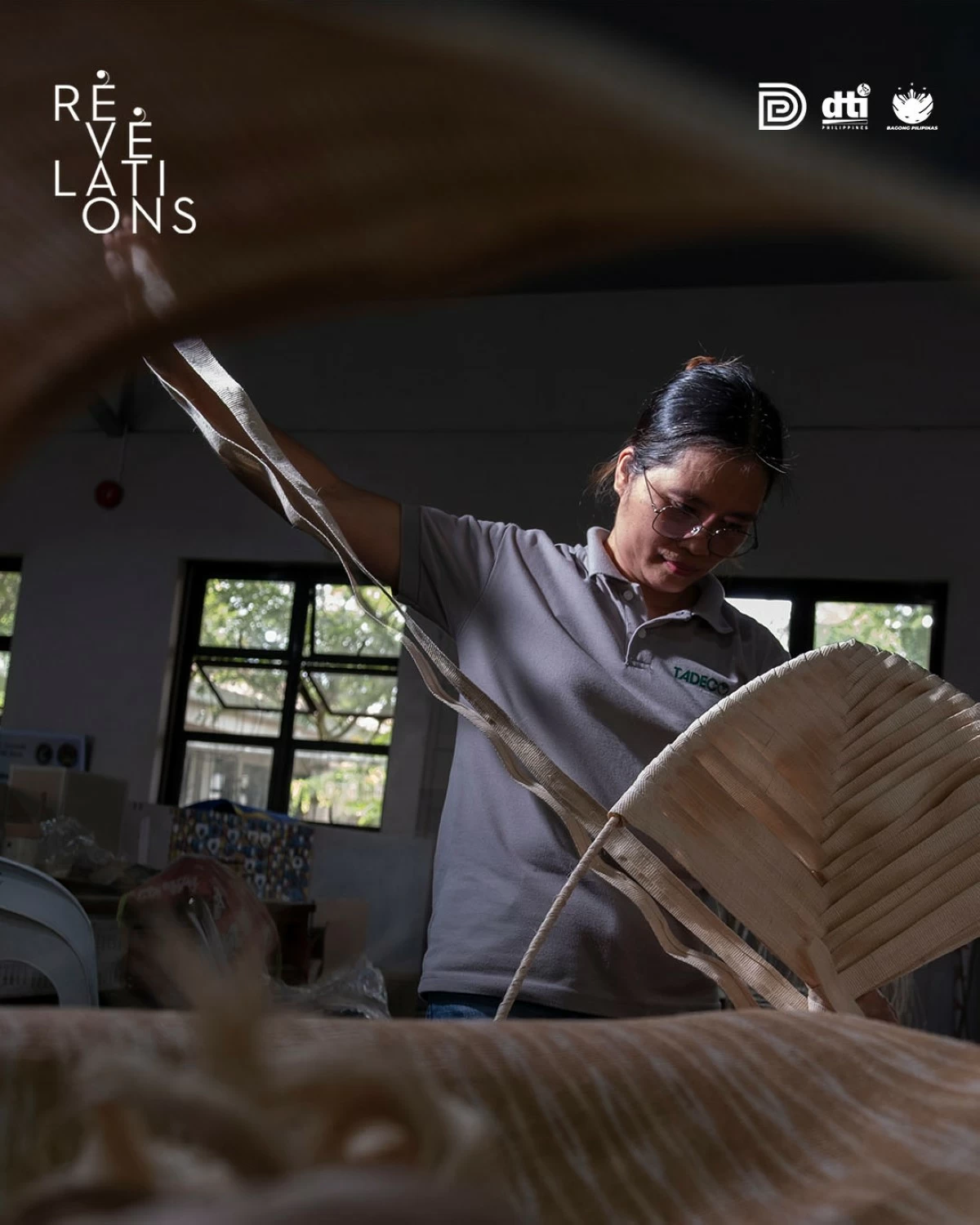
Inspired by the abaca flower—the very source of abaca fiber—Heart of Abaca is a three-layered sculptural piece that embodies the evolution of craftsmanship, from raw material to artistic collaboration. (Photo courtesy of Design Center of the Philippines)
President Marcos has approved the Philippine Creative Industries Development Plan (PCIDP) 2025–2034 to strengthen the country’s creative sector including music, film, design, crafts, and digital media.
Marcos approved the 10-year plan through Memorandum Circular No. 103 , ordering its rollout to boost and protect Filipino artists and creative workers.
The Philippine Creative Industries Development Council (PCIDC) was directed to spearhead the implementation of the PCIDP 2025-2034.
It shall also review the plan every three years from the date it was executed.
To ensure the effective implementation of the 10-year plan, the President urged all government offices, instrumentalities, and private sectors to support programs, activities, and projects under the plan.
“In accordance with their respective mandates, all departments, agencies, bureaus, and offices of the National Government, including state universities and colleges, government-owned or -controlled corporations, and government financial institutions, are hereby directed to support the implementation of PCIDP 2025-2034, as well as the programs, activities, and projects specified therein,” the memorandum circular read.
The funding requirements for PCIDP 2025-2034’s initial implementation shall be charged against the current and available appropriations of the relevant agencies, in accordance with laws and regulations.
Meanwhile, funding for its continued implementation will be included in the agencies’ budget proposals, subject to the usual budget process.
Under Republic Act No. 11904 or the "Philippine Creative Industries Development Act," it is a policy of the State to promote and support the development of Philippine creative industries by protecting and strengthening the rights and capacities of creative firms, artists, artisans, creators, workers, indigenous cultural communities, content providers, and stakeholders in the creative industries.