ADVERTISEMENT

How to build strength, confidence, and emotional resilience in kids

Children aren't born knowing how to bounce back—but these practical parenting tips can help them face life's challenges with confidence and ease

Published Oct 18, 2025 05:32 am
By Elaine Ferrer, RPsy
As told to Jane Kingsu-Cheng
Illustrations by Nancy Marie Andam
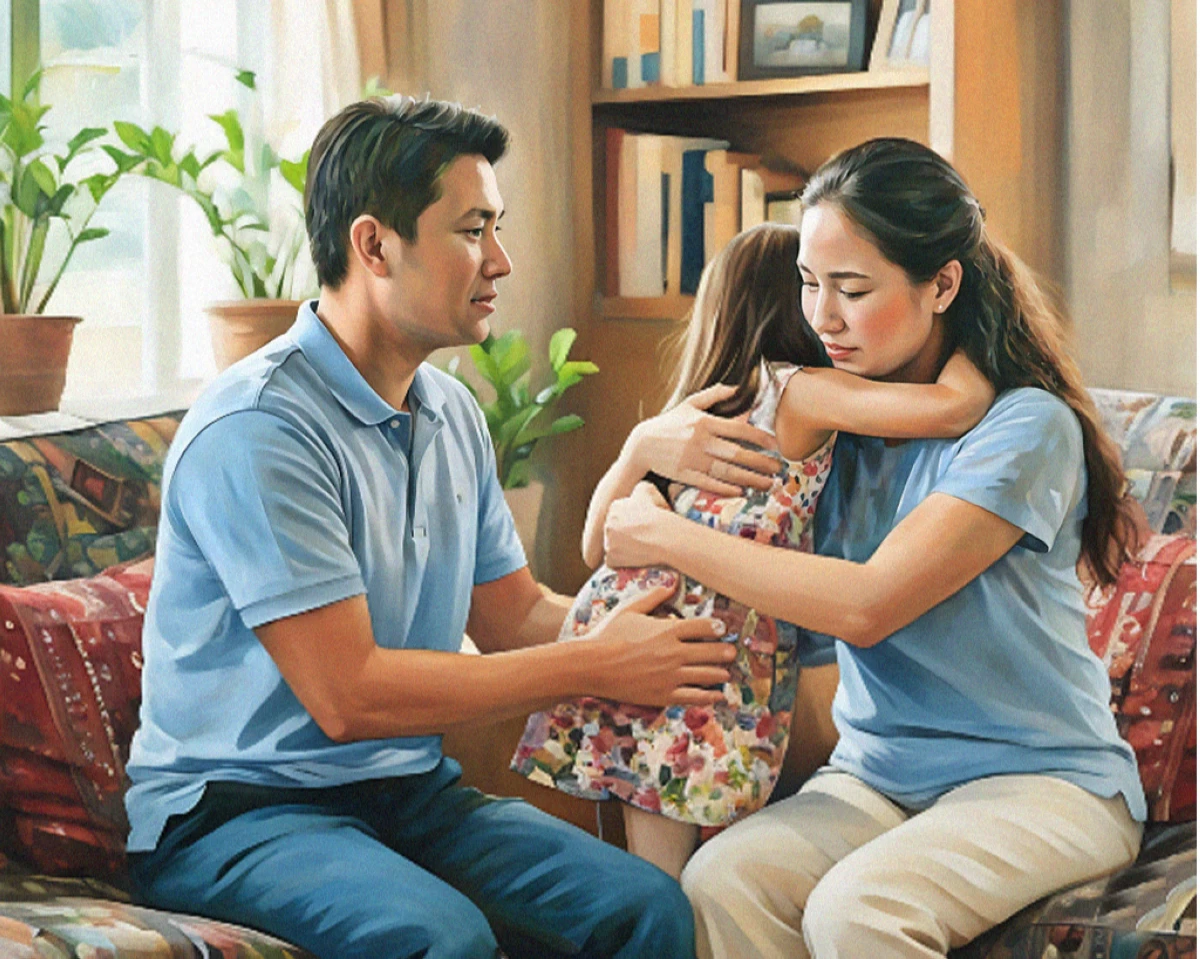
Life is full of small setbacks, big disappointments, and unexpected twists—and children should not be immune to these. With proper guidance and support, they can learn to face challenges, recover from difficulties, and grow stronger along the way.
Building everyday strengths
Children aren’t simply born with the ability to bounce back. It’s a skill they develop through everyday experiences and trusted relationships. For children and teens, this ability looks different than it does in adults. They are still discovering themselves, and their brains are constantly developing.
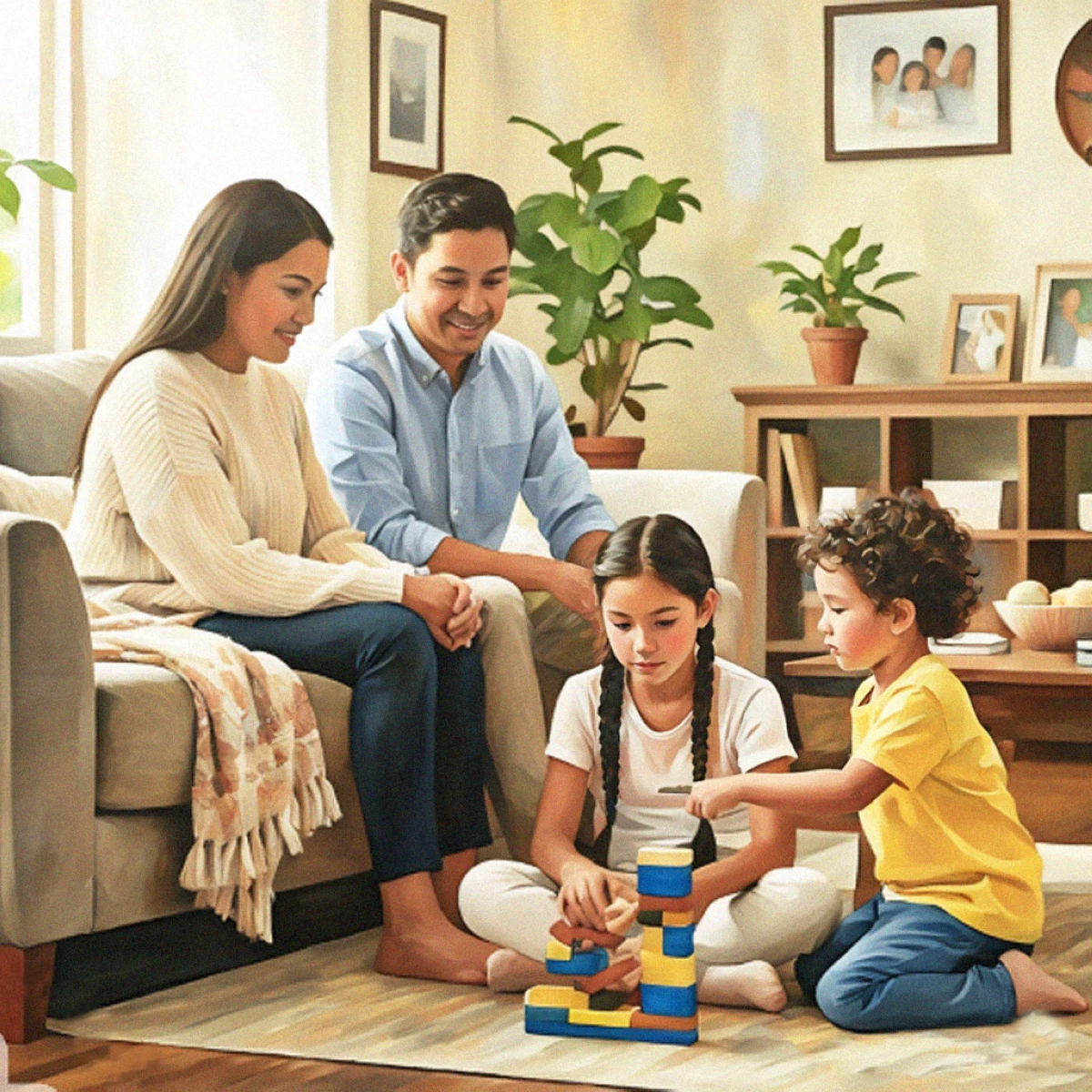
From growth spurts and mood swings to new friendships and peer pressure, young people are continually adapting. Being able to recover from stressful experiences while maintaining healthy emotional, social, and cognitive development is essential. It also acts as a protective factor, helping children cope with bullying, failure, or peer pressure.
Experiencing and handling setbacks teaches them that challenges can be opportunities to learn, problem-solve, and grow. It also safeguards mental health, preventing negative experiences from becoming internalized and limiting their self-worth.
Practical steps
The best way to nurture this skill is through experience. Create a safe space for children to express themselves and interact with others. Modeling how to handle setbacks—being soft and vulnerable, admitting mistakes, and finding solutions—teaches children to do the same.
Recognizing feelings, normalizing mistakes, and providing reassurance are key. Parents can encourage self-care by letting children play, relax, enjoy meals, or spend time with family and friends. These everyday practices help them manage strong emotions and learn to cope on their own.
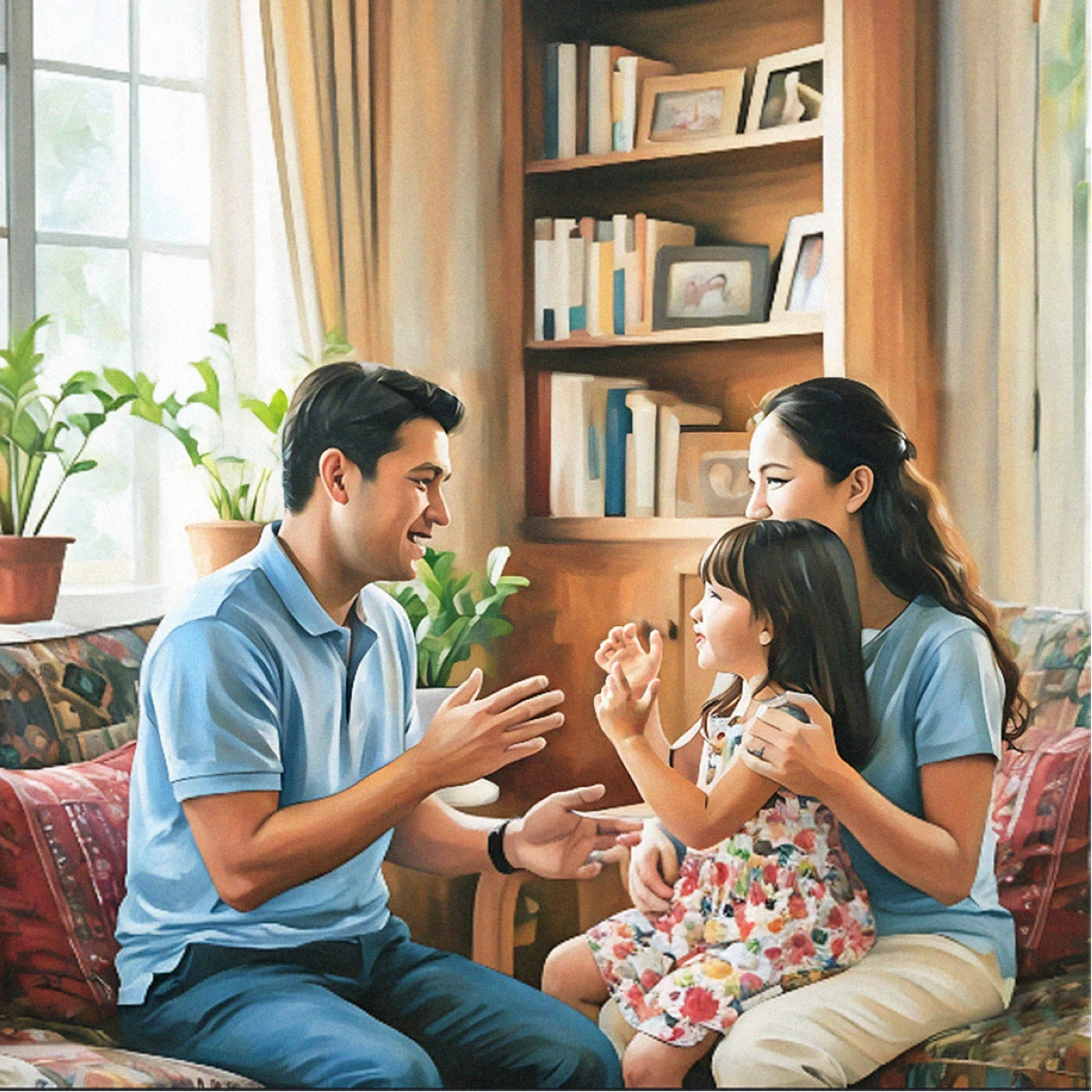
Children observe and learn from adults. Showing how to handle mistakes, adapt plans, and regulate emotions demonstrates practical coping skills. When upset or frustrated, take a moment to pause and respond calmly rather than reacting impulsively. This models emotional regulation, which is an essential life skill.
Self-care is also a lesson. Children who see parents slowing down, resting, and taking care of themselves internalize that they too can manage stress and prioritize their wellbeing.
Structured routines—like regular meals, family time, and consistent sleep—give children predictability and a sense of control. These routines act as an anchor, providing stability even when life feels uncertain. They also help children develop confidence, which strengthens their ability to face problems with grit.
Everyday parenting guidance
Allow your children to make mistakes, experience boredom, and face everyday challenges. These moments are opportunities for self-discovery and for learning how to recover from setbacks. While it’s natural to want to step in, trust that your children can make decisions and learn from their experiences.
Parenting isn’t about shielding children from life’s challenges. It’s about giving them the tools, guidance, and examples of calm, adaptable behavior they need to navigate the world. With the right support and consistent routines, children can develop the confidence and skills to face any obstacle, big or small, with resilience.

Related Tags

Parenting Resilience
ADVERTISEMENT
.most-popular .layout-ratio{ padding-bottom: 79.13%; } @media (min-width: 768px) and (max-width: 1024px) { .widget-title { font-size: 15px !important; } }

{{ articles_filter_1561_widget.title }}

.most-popular .layout-ratio{ padding-bottom: 79.13%; } @media (min-width: 768px) and (max-width: 1024px) { .widget-title { font-size: 15px !important; } }

{{ articles_filter_1562_widget.title }}

.most-popular .layout-ratio{ padding-bottom: 79.13%; } @media (min-width: 768px) and (max-width: 1024px) { .widget-title { font-size: 15px !important; } }

{{ articles_filter_1563_widget.title }}

{{ articles_filter_1564_widget.title }}

.mb-article-details { position: relative; } .mb-article-details .article-body-preview, .mb-article-details .article-body-summary{ font-size: 17px; line-height: 30px; font-family: "Libre Caslon Text", serif; color: #000; } .mb-article-details .article-body-preview iframe , .mb-article-details .article-body-summary iframe{ width: 100%; margin: auto; } .read-more-background { background: linear-gradient(180deg, color(display-p3 1.000 1.000 1.000 / 0) 13.75%, color(display-p3 1.000 1.000 1.000 / 0.8) 30.79%, color(display-p3 1.000 1.000 1.000) 72.5%); position: absolute; height: 200px; width: 100%; bottom: 0; display: flex; justify-content: center; align-items: center; padding: 0; } .read-more-background a{ color: #000; } .read-more-btn { padding: 17px 45px; font-family: Inter; font-weight: 700; font-size: 18px; line-height: 16px; text-align: center; vertical-align: middle; border: 1px solid black; background-color: white; } .hidden { display: none; }
function initializeAllSwipers() { // Get all hidden inputs with cms_article_id document.querySelectorAll('[id^="cms_article_id_"]').forEach(function (input) { const cmsArticleId = input.value; const articleSelector = '#article-' + cmsArticleId + ' .body_images'; const swiperElement = document.querySelector(articleSelector); if (swiperElement && !swiperElement.classList.contains('swiper-initialized')) { new Swiper(articleSelector, { loop: true, pagination: false, navigation: { nextEl: '#article-' + cmsArticleId + ' .swiper-button-next', prevEl: '#article-' + cmsArticleId + ' .swiper-button-prev', }, }); } }); } setTimeout(initializeAllSwipers, 3000); const intersectionObserver = new IntersectionObserver( (entries) => { entries.forEach((entry) => { if (entry.isIntersecting) { const newUrl = entry.target.getAttribute("data-url"); if (newUrl) { history.pushState(null, null, newUrl); let article = entry.target; // Extract metadata const author = article.querySelector('.author-section').textContent.replace('By', '').trim(); const section = article.querySelector('.section-info ').textContent.replace(' ', ' '); const title = article.querySelector('.article-title h1').textContent; // Parse URL for Chartbeat path format const parsedUrl = new URL(newUrl, window.location.origin); const cleanUrl = parsedUrl.host + parsedUrl.pathname; // Update Chartbeat configuration if (typeof window._sf_async_config !== 'undefined') { window._sf_async_config.path = cleanUrl; window._sf_async_config.sections = section; window._sf_async_config.authors = author; } // Track virtual page view with Chartbeat if (typeof pSUPERFLY !== 'undefined' && typeof pSUPERFLY.virtualPage === 'function') { try { pSUPERFLY.virtualPage({ path: cleanUrl, title: title, sections: section, authors: author }); } catch (error) { console.error('ping error', error); } } // Optional: Update document title if (title && title !== document.title) { document.title = title; } } } }); }, { threshold: 0.1 } ); function showArticleBody(button) { const article = button.closest("article"); const summary = article.querySelector(".article-body-summary"); const body = article.querySelector(".article-body-preview"); const readMoreSection = article.querySelector(".read-more-background"); // Hide summary and read-more section summary.style.display = "none"; readMoreSection.style.display = "none"; // Show the full article body body.classList.remove("hidden"); } document.addEventListener("DOMContentLoaded", () => { let loadCount = 0; // Track how many times articles are loaded const offset = [1, 2, 3, 4, 5, 6, 7, 8, 9, 10]; // Offset values const currentUrl = window.location.pathname.substring(1); let isLoading = false; // Prevent multiple calls if (!currentUrl) { console.log("Current URL is invalid."); return; } const sentinel = document.getElementById("load-more-sentinel"); if (!sentinel) { console.log("Sentinel element not found."); return; } function isSentinelVisible() { const rect = sentinel.getBoundingClientRect(); return ( rect.top < window.innerHeight && rect.bottom >= 0 ); } function onScroll() { if (isLoading) return; if (isSentinelVisible()) { if (loadCount >= offset.length) { console.log("Maximum load attempts reached."); window.removeEventListener("scroll", onScroll); return; } isLoading = true; const currentOffset = offset[loadCount]; window.loadMoreItems().then(() => { let article = document.querySelector('#widget_1690 > div:nth-last-of-type(2) article'); intersectionObserver.observe(article) loadCount++; }).catch(error => { console.error("Error loading more items:", error); }).finally(() => { isLoading = false; }); } } window.addEventListener("scroll", onScroll); });

Sign up by email to receive news.