






Manila Bulletin
 Philippines
National
Escudero reminds HEIs: No student loan collections in calamity areas
Philippines
National
Escudero reminds HEIs: No student loan collections in calamity areas
Philippines
National
Escudero reminds HEIs: No student loan collections in calamity areas
Escudero reminds HEIs: No student loan collections in calamity areas
By Dhel Nazario
Published Oct 18, 2025 04:50 pm


Senator Francis “Chiz” Escudero reminded all higher education institutions (HEIs) about the moratorium on the collection of student loans in all areas where a state of calamity had been declared.
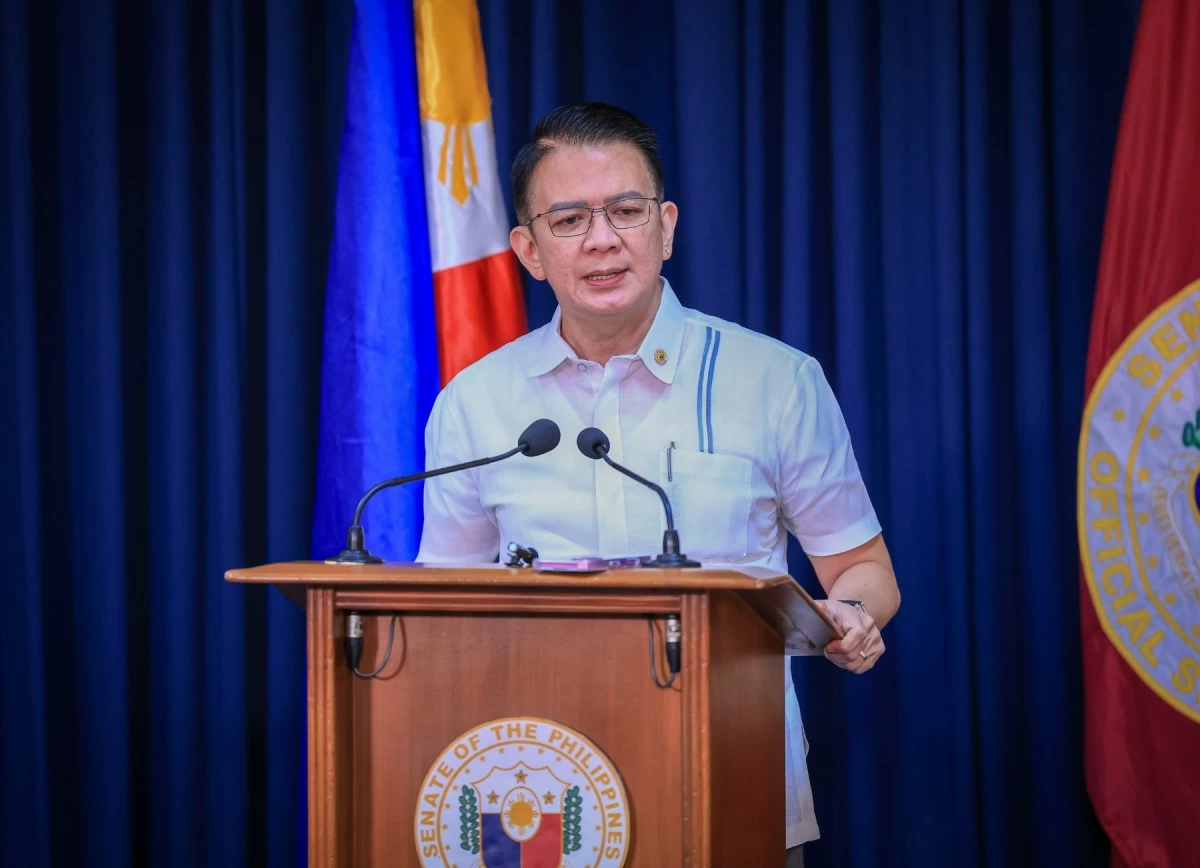
Senate President Francis "Chiz" Escudero (Senate PRIB photo)
With several parts of the country still reeling from the devastating effects of earthquakes and typhoons duirng the past month, Escudero said families had to focus on “getting their lives back in order, first and foremost".
“Pinapaalala natin sa ating mga unibersidad, kolehiyo, at pati na din ang mga tech-voc (technical-vocational) institutions na may batas tayo na nagbabawal sa pagkolekta ng mga utang ng kanilang mga estudyante. Sa panahon na may sakuna, ang pinakamahalaga ay ang muling makabangon ang mga nasalanta (We remind our universities, colleges, and even technical-vocational institutions that there is a law prohibiting them from collecting the debts of their students. In times of disaster, what’s most important is helping those affected to recover),” Escudero said.
Under Republic Act (RA) No. 12077, or the Student Loan Payment Moratorium During Disasters and Emergencies Act, payment of all fees and charges by HEIs and technical-vocational institutions (TVIs) is suspended for the duration of the state of emergency or calamity and 30 days after this is lifted.
As one of the authors and sponsors of the law, Escudero said the education of students should never be affected whenever disaster strikes because in many instances, recovering from this is even more challenging than rebuilding lost property.
“Hindi dapat maging dahilan ang kawalan ng pambayad ng matrikula para matigil ang pag-aral ng ating mga estudyante lalo na pag sila rin mismo ay biktima ng bagyo, lindol o anumang sakuna (The inability to pay tuition should not be a reason for students to stop studying, especially when they themselves are victims of a typhoon, earthquake, or any other disaster),” he said.
The law states that the availment of the moratorium shall not in any way adversely affect the eligibility of the students concerned for re-enrolment in the succeeding semesters.
Escudero noted that the law encourages the HEIs and TVIs to offer payment relief or assistance programs for the affected students to make it easier for them to pay off their loans.
Any waiver on the benefit of the moratorium on student loan payments or the availment of assistance or subsidies from the government is prohibited.
Escudero was head of the Senate Committee on Higher, Technical and Vocational Education in the previous 19th Congress and was a co-chairperson of the Second Congressional Commission on Education (EDCOM 2).
He was one of the authors of Republic Act (RA) No. 11984 or the No Permit, No Exam Prohibition Act that paved the way for disadvantaged students to take their periodic and final examinations even if they are unable to pay their tuition or other fees.
“Students affected by calamities are classified as ‘disadvantaged’ upon the certification by the Department of Social Welfare and Development. So the inability to pay their tuition should not be an obstacle to the completion of their educational requirements. They can find a way to pay for their loans later,” Escudero said.