






Manila Bulletin
 Business
Trade & Industry
BMI: Philippines crowned 'most nuclear-ready' nation in ASEAN
Business
Trade & Industry
BMI: Philippines crowned 'most nuclear-ready' nation in ASEAN
Business
Trade & Industry
BMI: Philippines crowned 'most nuclear-ready' nation in ASEAN
BMI: Philippines crowned 'most nuclear-ready' nation in ASEAN
Published Oct 17, 2025 02:20 pm


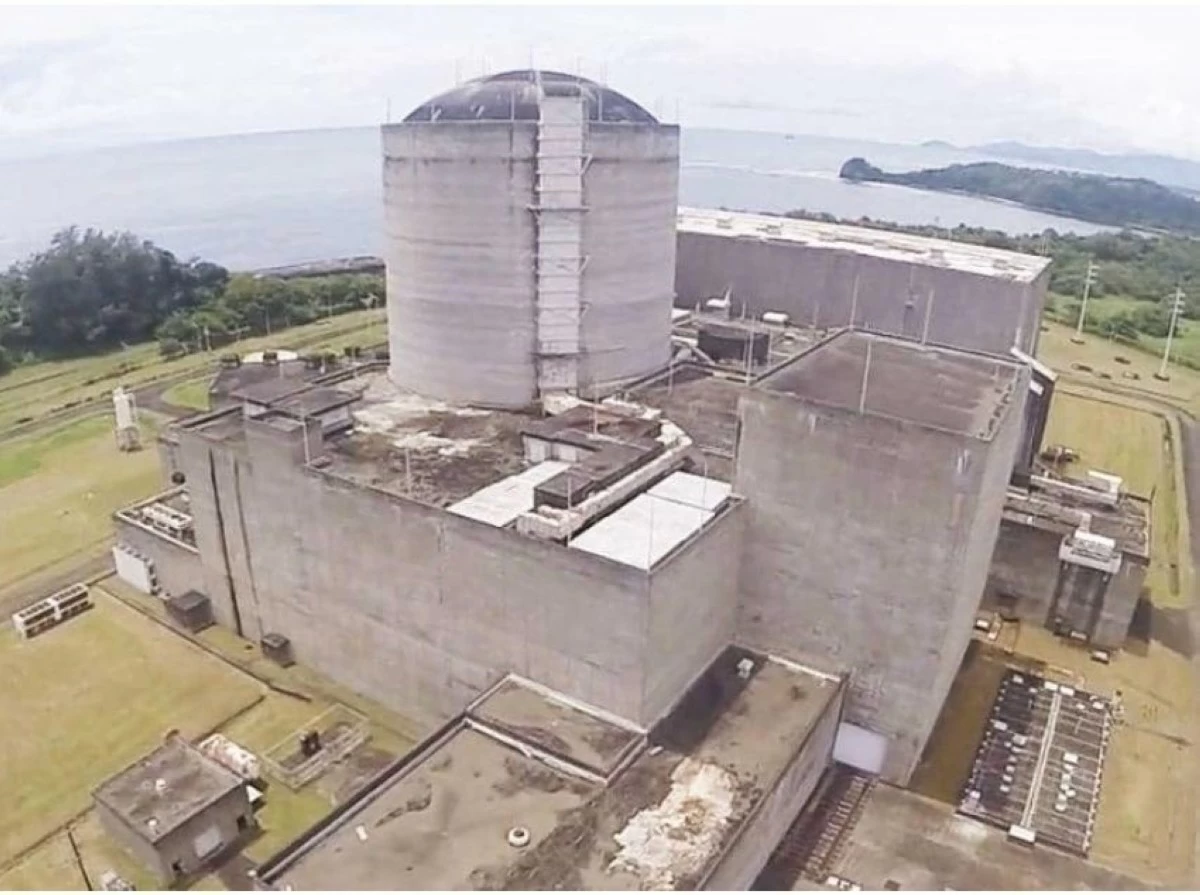
(Manila Bulletin file photo)
While other countries still hesitate when it comes to nuclear energy, the Philippines is one of the two countries in the ASEAN region that is a frontrunner in nuclear integration.
In a recent report from Fitch Solutions’ unit, BMI, the Philippines and Vietnam are considered the only two nations in the region that are likely to lead the nuclear race, citing government commitments and active plans for technological development.
“We believe there could be opportunities for an accelerated deployment given the Philippines’ capabilities and experience, as the Bataan province houses Southeast Asia’s only existing nuclear power plant, though it never became operational,” it stated.
Certain industries have expressed interest in restoring the Bataan Nuclear Power Plant, which was previously mothballed due to safety, cost, and corruption concerns.
Manila Electric Company (Meralco) is currently at the forefront of nuclear initiatives in the private sector, having previously eyed the rehabilitation of the Bataan Nuclear Power Plant (BNPP) and is looking into the development of small modular reactors (SMRs), which is expected to produce at around 300 to 500 megawatts (MW) capacity.
In August, Meralco secured $2.7 million in funding from the United States Trade and Development Agency (USTDA) to push through its SMR assessment plans.
On the government's side, the Department of Energy (DOE) has actively shown support for welcoming nuclear investments, as it anticipates nuclear plant operations as early as 2032.
The agency has also sought financing options with the Department of Finance (DOF), the Department of Economy, Planning and Development (DepDev), and the Maharlika Investment Corp. (MIC).
To encourage more investments, the DOE said that it plans to award any pioneer developers to Certificate Energy Project of National Significance (CEPNS).
In addition, the Philippine Atomic Energy Regulatory Authority (Philatom) Act has been signed into law, which will enable the establishment of an independent and autonomous regulatory body.
“Under President Ferdinand Marcos, the Philippines has reaffirmed its policy direction towards nuclear development to meet its rapidly growing energy demand and reduce reliance on fossil fuels,” BMI said.
“Major safety, security, safeguards and liability instruments, demonstrating its comprehensive engagement with the international nuclear governance framework.”
Though nuclear development still faces financial challenges, the country continues to rely on conventional power sources, renewable energy (RE), and liquefied natural gas (LNG).
LNG is also emerging as a transitional fuel in markets such as the Philippines, Vietnam, and Malaysia.
BMI stressed, however, LNG importation would expose consumers to price volatility and supply risks, and therefore will need to improve domestic energy security in the country.