







A new current of clean energy
Exploring Japan's breakthrough in osmotic power and its promise for sustainable nations like ours.
Published Oct 17, 2025 07:31 am


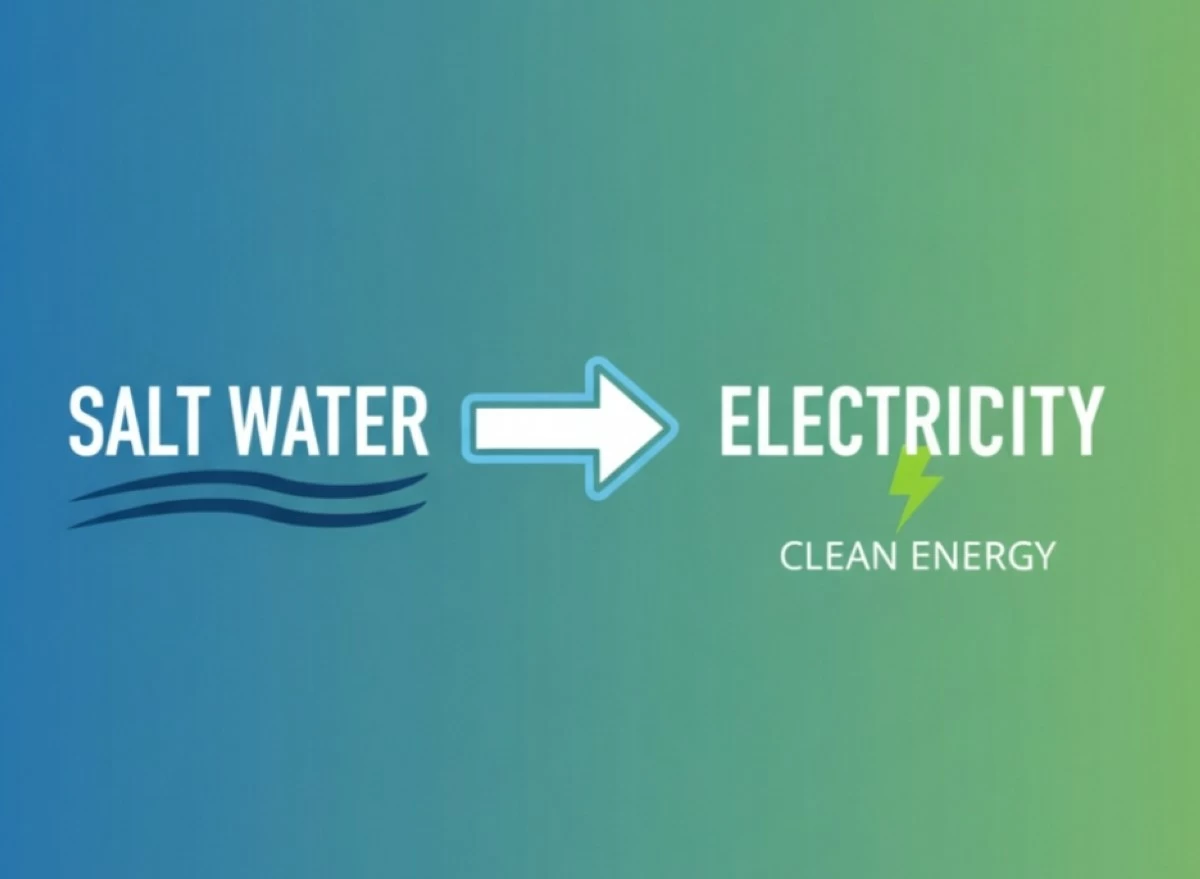
In the Japanese coastal city of Fukuoka, the natural mix of saltwater and freshwater is being harnessed to produce renewable energy. The country has unveiled its first so-called “osmotic” power facility, which, according to The Renewable Energy Institute’s website, can generate around 880,000 kilowatt-hours of electricity annually. It is only the second facility of its kind in the world, following a similar one in Denmark that was introduced in 2023.
In “Japan’s First Osmotic Power Plant: What It Means for Clean Energy,” the organization explains that salinity gradient power generation "positions seawater and freshwater on opposite sides of a specially designed membrane, with the seawater kept under mild pressure. As freshwater moves across into the saltier side, the volume of pressurized liquid grows, creating energy that can be captured.” The resulting pressure builds up, drives water through a turbine, which a generator converts into usable electricity.
The Fukuoka District Waterworks Agency’s plant can also function as a desalination facility that supplies drinking water to the city and nearby areas. The Institute cited findings by Dr. Ali Altaee of the University of Sydney, noting that the Asian osmotic plant’s output could supply an average of 220 households and continue operating despite weather changes or the absence of daylight.
Proponents of osmotic energy, such as The Innovator founder and editor-in-chief Jennifer Schenker, describe it as a carbon-free and naturally available alternative to traditional sources that rely on fossil fuels. In her piece on The World Economic Forum website titled, “What is osmotic energy and how could it generate one-fifth of the world’s energy needs?” Schenker notes that osmotic energy development is ongoing in several parts of the world, including France.
In that country, the meeting point of the Rhône River and the Mediterranean Sea is being studied to test osmotic energy that could benefit about 1.5 million people. Schenker said the technology could eventually lead to hybrid renewable systems that combine osmotic energy with solar or wind power.
On the other hand, experts such as Professor Sandra Kentish of the University of Melbourne, point to the “relatively small” net gain from osmotic energy, as it requires a significant amount of energy to operate on a large scale. One example is the energy needed to force two water streams into one system. Kentish noted that the Fukuoka facility’s advantage lies in its use of concentrated water or brine from desalination as one of its inputs. This allows for greater energy recovery by increasing the difference in salt concentration.
Rosemary Potter of the online site Sustainability Times wrote that recent developments in Fukuoka suggest osmotic energy could become more affordable to produce. “These improvements could eventually make (it) a competitive option alongside more established renewable sources like solar and wind,” she said in her article titled “Salt Water Makes Unlimited Power: Japan’s Revolutionary Energy Plant Runs Forever While Solar And Wind Sit Useless.” Potter added that the reliability of osmotic plants could change the way sustainable energy is supplied, potentially impacting overall demand.
In the Philippines, research on osmotic energy has begun, though actual operations to harness it may take time to materialize. The country's many rivers and coastal intersections present favorable conditions for sourcing this form of renewable energy. One potential site that has been mentioned for a future osmotic power facility is the intersection of the Agno River and the Lingayen Gulf Delta System in Pangasinan.
The Agno River, one of the largest river systems in the country, already contributes to renewable power generation. It hosts three major hydroelectric dams: Ambuklao and Binga Dams in Benguet, and the San Roque Dam in Pangasinan, that supply electricity to the Luzon grid. The river drains into Lingayen Gulf, where the Sual Power Station, the Philippines' largest coal-fired power plant, is located.
As of 2023, approximately 22 to 23 percent of the country’s power generation came from renewable energy sources, according to the Department of Energy (DOE). Solar, biomass, hydropower, geothermal and wind energy are the dominant sources currently being tapped. While most upcoming renewable energy projects will focus on these established technologies, international partnerships could help introduce newer methods of sustainable power generation.
Osmotic energy production, however, requires significant financial and technological investments to develop and operate long-term. Expertise and collaboration between government, academia, and private firms will be key to turning this emergency energy source into a viable part of the Philippines' renewable energy mix.
As an archipelago surrounded by saltwater and rich in river systems, the Philippines stands at a unique advantage in exploring osmotic energy. As the nation faces rising power demands and the urgent challenge of reducing carbon emissions, investing in such emerging technologies could diversify its renewable energy mix and lessen dependence on imported fuels. Beyond science, it is a chance to turn the natural meeting of river and sea into a sustainable source of national strength.