








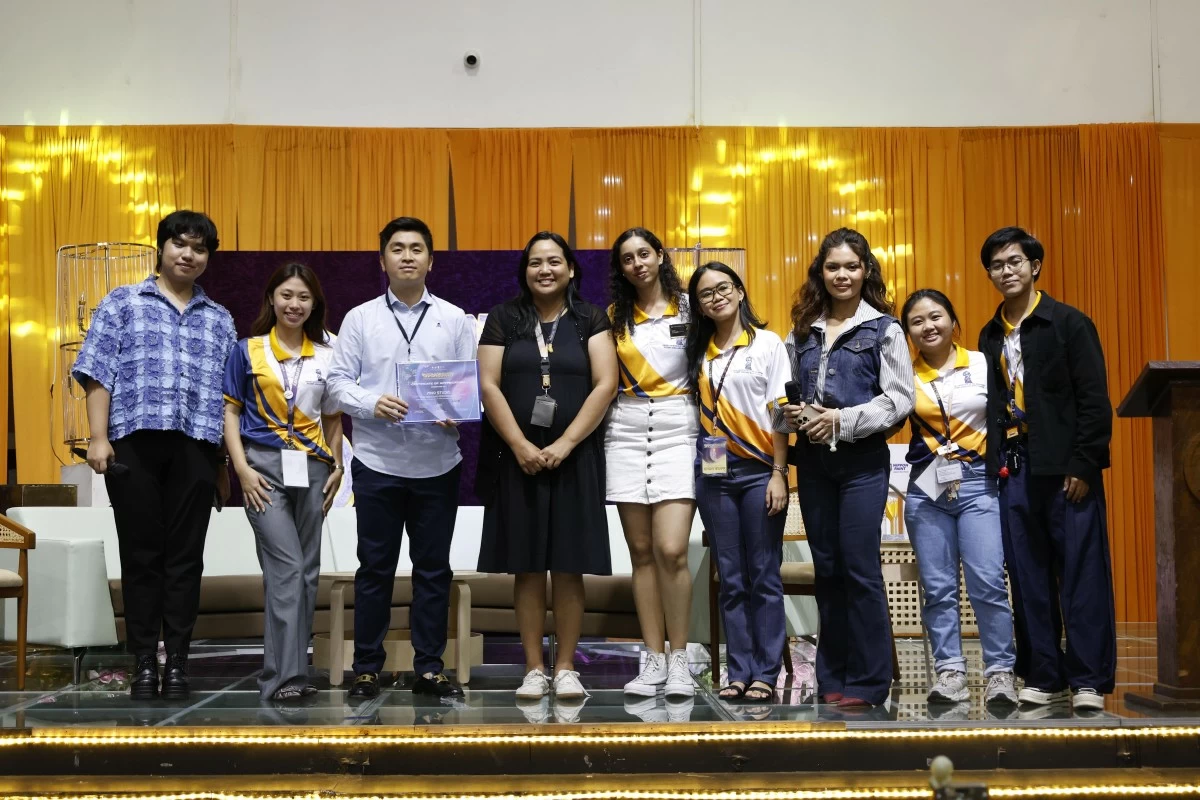
Last August 18, 2025, The Mapúa University Gymnasium buzzed with both student and professional creativity and collaboration. Hundreds of architecture and design students gathered for the UAPSA Summit 2025 - which is an annual event organized by the United Architects of the Philippines Student Auxiliary (UAPSA) Mapua Chapter. This year's theme of "Threads of Tomorrow: Weaving Visions into Design" was apparent with the energy and enthusiasm brought in by the young students who all aspire to be in the design field.
As one of the invited speakers, I had the privilege of witnessing firsthand what drives this new generation of future architects. The event served as both a celebration of student ingenuity and a call to reimagine the role of design in shaping communities.
A vision woven with collaboration
The summit opened with an atmosphere of excitement and pride. Student delegates from different UAPSA chapters across the country arrived early, bringing portfolios, models, and ideas ready to share. Mapúa’s gymnasium had been transformed into a vibrant exhibition hall filled with student works that ranged from conceptual pavilions to adaptive reuse projects inspired by local heritage.The theme, “Threads of Tomorrow,” encapsulated the central message of the day — that architecture and design are collective efforts, woven together through collaboration across disciplines. The summit did not merely showcase academic excellence; it emphasized unity, mentorship, and shared purpose among students, educators, and industry practitioners.
During my keynote address, I spoke about the intersection of how we can use the concept of Bayanihan to bring forth true Filipino Architecture and real sustainability. I highlighted how Filipino architects can champion ecological balance and cultural identity through design. It was heartening to see how deeply these values resonated with the students. Many of them were already exploring green innovations and community-centered projects that extend design beyond aesthetics — toward advocacy and social responsibility.
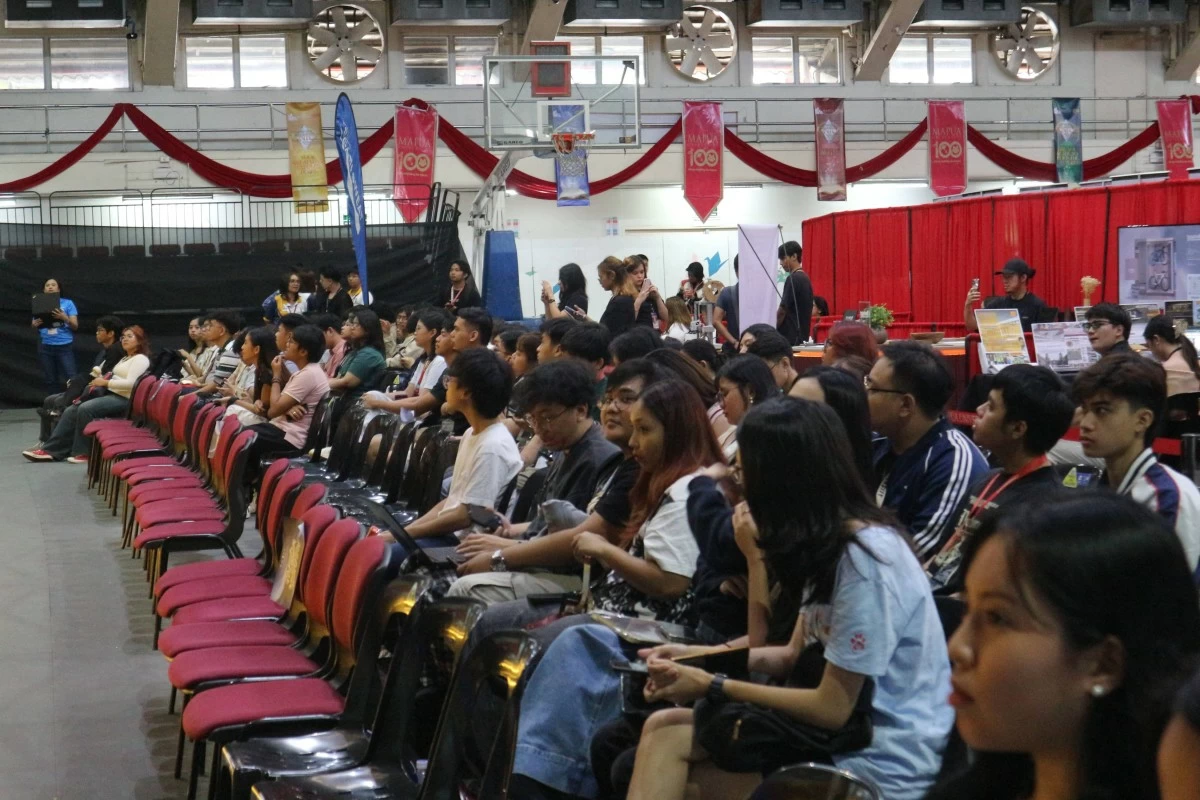
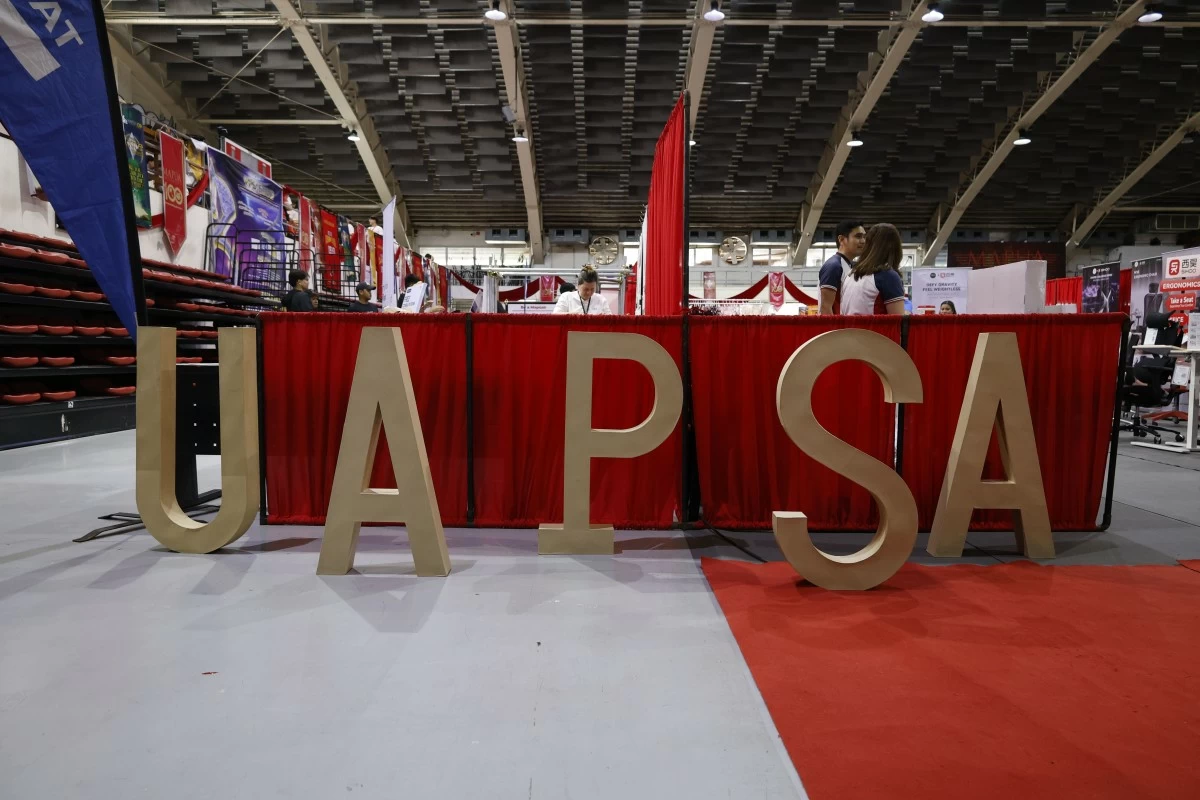
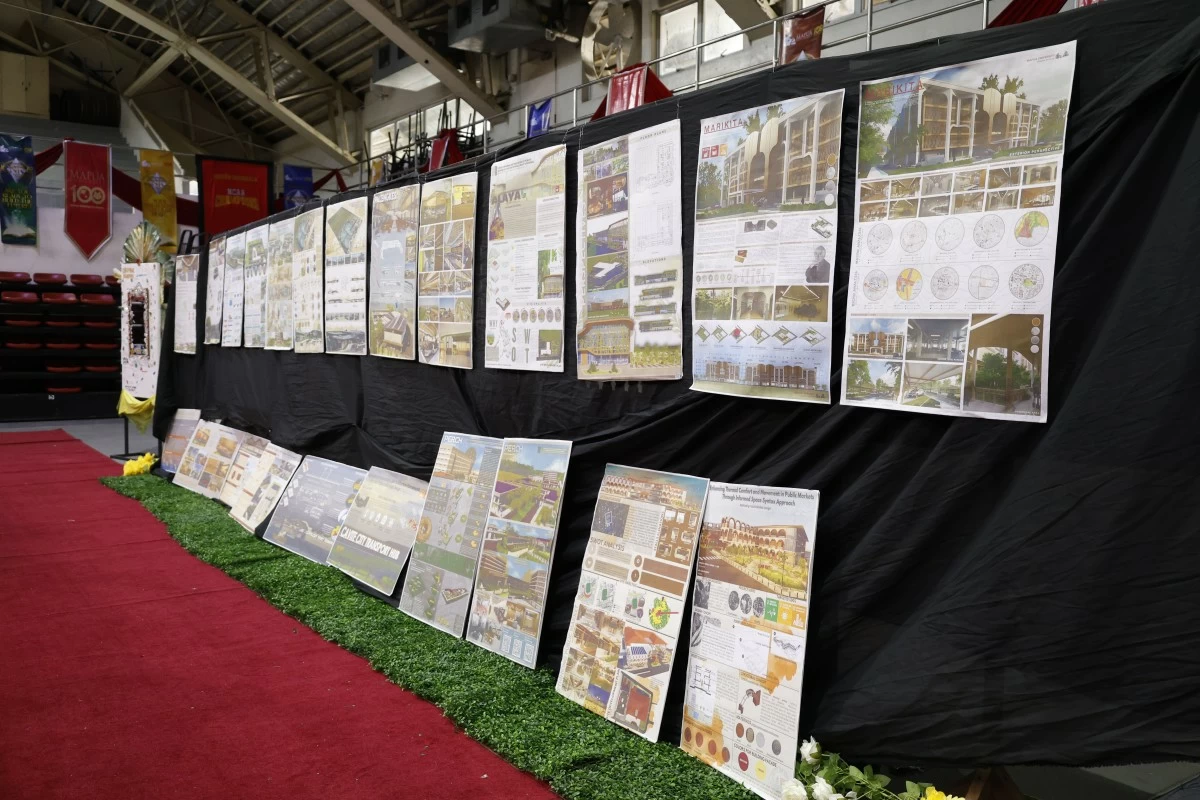
Exhibit of students works (UAPSA Mapua Chapter)
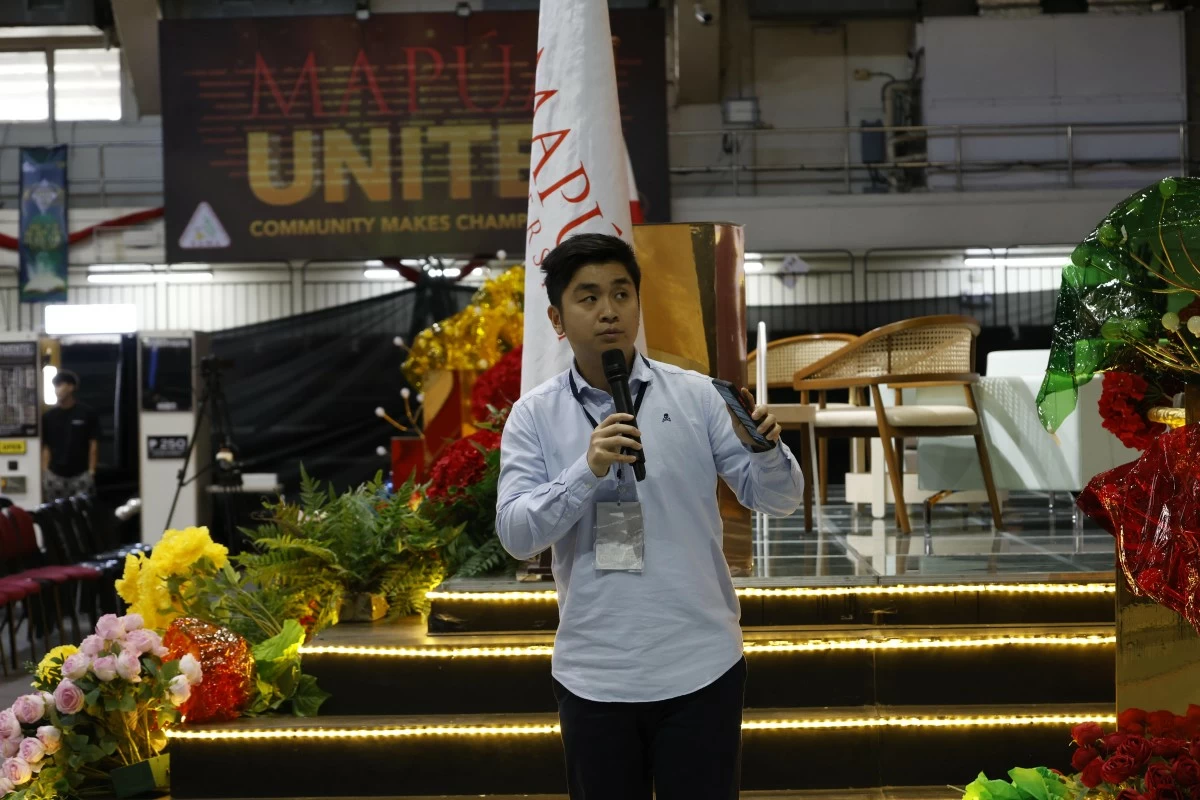
Arch. Nicholai Go giving keynote address (UAPSA Mapua Chapter)
Highlights of innovation and dialogue
The UAPSA Summit 2025’s exhibition areas brimmed with innovation and creativity. One of the most remarkable installations, the “Weave Pavilion,” showcased modular structures crafted from indigenous materials such as bamboo and abaca. It symbolized how traditional craftsmanship can inspire modern design. Another section, “Reimagining Intramuros,” featured student proposals for revitalizing Manila’s historic core while maintaining architectural integrity.Throughout the day, panel discussions tackled pressing issues shaping the profession — from AI driven design tools and sustainable urbanism to heritage conservation and inclusive architecture. Representatives from architectural firms and government agencies joined the dialogue, sharing their experiences in navigating contemporary challenges in the built environment.
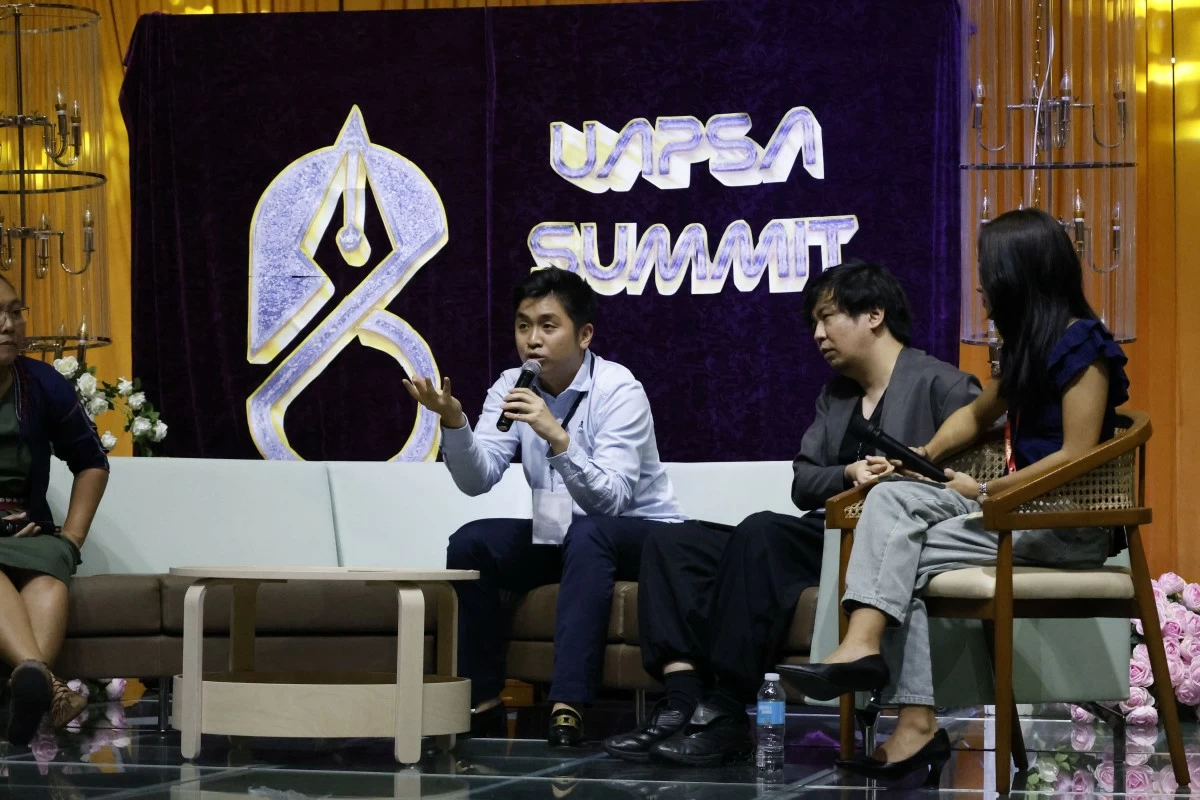
As one of the panelists, I was struck by the depth of the students’ questions. One particularly memorable inquiry came from a fourth-year architecture student: “How do we keep our designs authentically Filipino while staying globally competitive?” That question reflected the very essence of the summit — the balancing act between tradition and innovation, identity and progress.
Bridging academia and industry
The UAPSA Summit 2025 stood out for its success in bringing academia and industry together under one roof. The exchange between students and professionals was not confined to formal sessions. Between talks, hallways turned into impromptu mentoring spaces — young designers sharing sketches, professionals offering advice, and teachers encouraging their students to dream bigger.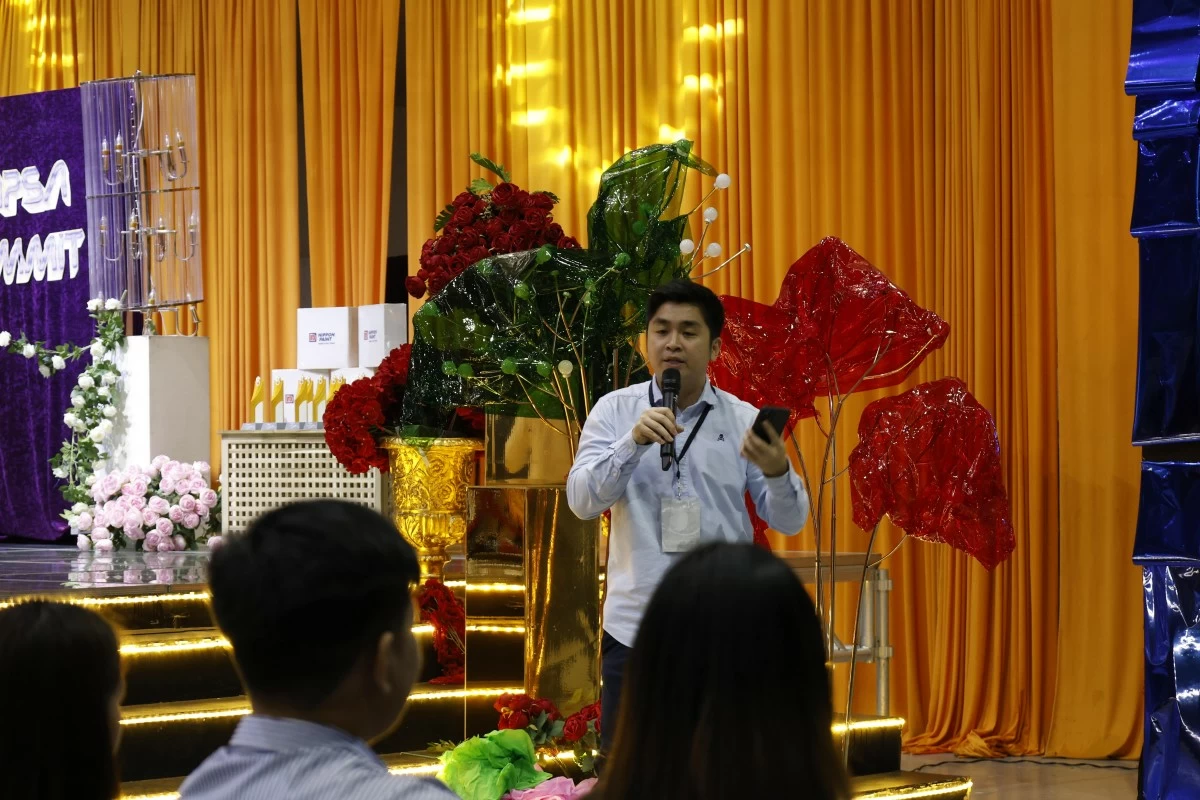

Arch. Gelo Manosa of Manosa and Co. (UAPSA Mapua Chapter)

Panel discussion (UAPSA Mapua Chapter)
Arch. Nicholai Go of PINO Places (UAPSA Mapua Chapter)
This synergy is what the architectural field needs today: a continuous dialogue between the classroom and the construction site, between vision and practice. The summit offered precisely that — a bridge between learning and leadership. A great example of this was during Arch. Gelo Manosa's panel discussion wherein he explained his own journey as an architect and how he arrived in his design ethos of "Filipinism." Students were in awe of his design principles and took home valuable insights about pursuing your passions.
Threads that bind the future
As the event drew to a close, the sense of optimism in the air was palpable. The final message delivered by the organizers underscored that architecture is, above all, a human endeavor — one that binds people, culture, and environment together.UAPSA Mapúa’s initiative succeeded not only in hosting a summit but in cultivating a platform where students could discover their voice as future architects of the nation. The day ended with applause and renewed purpose — a reminder that the true measure of design lies not in grand structures but in the lives it touches.
Walking out of Mapúa University that evening, I carried with me a deep sense of pride and hope. The next generation of Filipino architects is not content with following blueprints; they are redrawing them. They are reweaving design with empathy, identity, and sustainability — the very threads that will define tomorrow’s cities.
The UAPSA Summit 2025 proved that the future of architecture in the Philippines is bright — and it begins with students who believe that every structure can tell a story, every design can spark change, and every vision, when woven together, can shape a better world.