

ADVERTISEMENT

'Maka-bata pero hindi maka-guro': DepEd urged to address gaps in ARAL program implementation

Teachers call for fair compensation, support, and clearer guidelines in the learning recovery initiative

Published Oct 16, 2025 04:09 pm

At A Glance

  • TDC urges DepEd to provide proper pay, resources, and recognition for teachers implementing the ARAL program.
  • Teachers report unclear guidelines, delayed materials, and uneven rollout adding to their workload.
  • DepEd was also urged to refine ARAL, hire tutors, and ensure the program supports both learners and teachers.
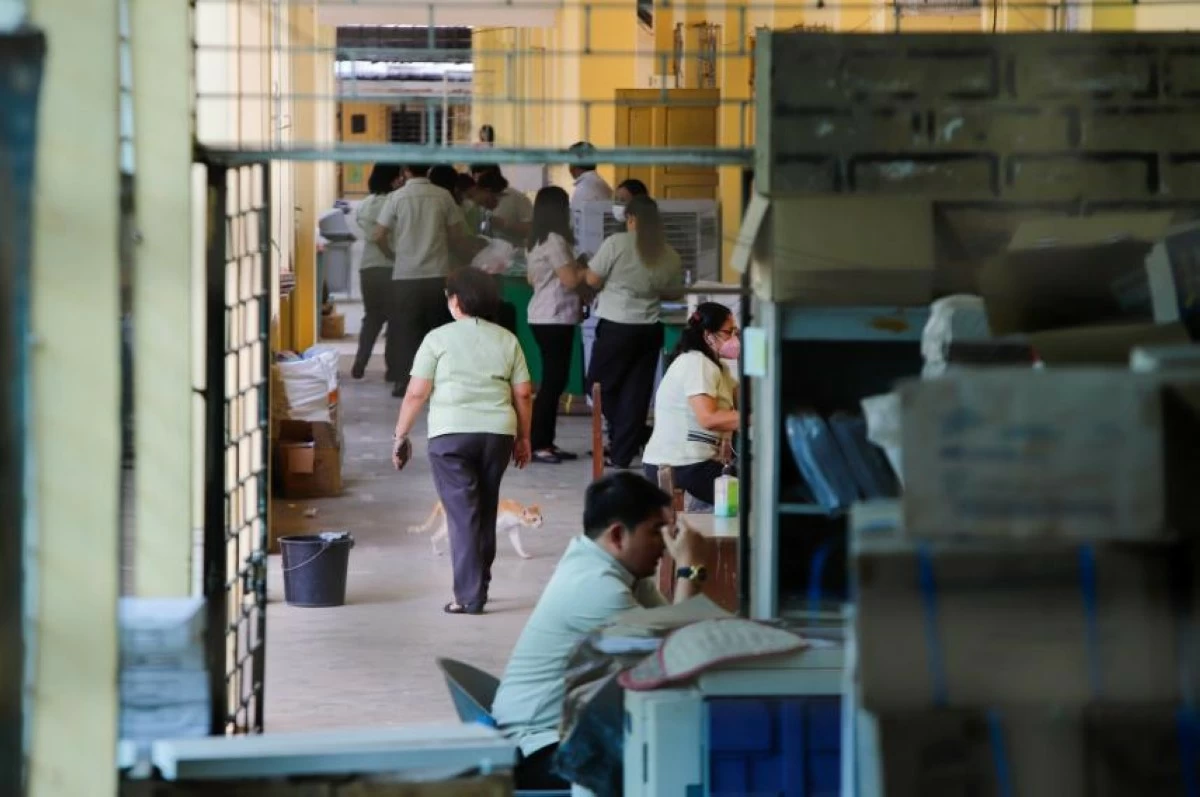
The Teachers’ Dignity Coalition (TDC) urged the Department of Education (DepEd) to address teacher workload, support gaps, and unclear guidelines in the implementation of the ARAL program. (Manila Bulletin / file photo)
A teachers’ group has called on the Department of Education (DepEd) to ensure that the Academic Recovery and Accessible Learning (ARAL) program not only benefits learners but also provides fair compensation, adequate support, and clear implementation guidelines for teachers tasked with carrying out the initiative.
Citing teachers’ growing concerns over workload, lack of resources, and unclear policies, the Teachers’ Dignity Coalition (TDC), in a statement, urged DepEd to address on-the-ground issues in the implementation of the ARAL program.
“Right now, ARAL seems ‘maka-bata pero hindi maka-guro’ (pro-student but not pro-teacher),” said TDC leader Francia Murao from Dasmariñas City, Cavite.
“Teachers are willing to help children recover in learning, but the system must also care for those who make that recovery possible,” she added.
DepEd launched the ARAL Program as a nationwide initiative to address learning loss and strengthen literacy among Filipino students.
Realities on the ground
TDC said that during a dialogue with DepEd officials on October 14, it presented a position paper on ARAL, along with reports and testimonies from teachers directly handling the program in schools and communities.
Murao said many teachers appreciate the intention behind ARAL but noted that, in practice, it has added to their workload without adequate compensation or support.
“Teachers recognize the good intention behind ARAL, but in reality, it has become an added strain on their workload,” Murao said. “Many of us are teaching beyond our load, without compensation, and often using our own money to produce learning materials,” she added.
TDC also reported insufficient facilities, delayed learning materials, and inconsistent implementation of the program across schools due to unclear guidelines.
Concrete action needed
TDC said DepEd officials acknowledged the teachers’ concerns, assuring them that interventions are underway and that compensation will be provided to those participating in the ARAL program.
However, Murao emphasized that teachers are seeking concrete action.
“DepEd said there are interventions, but teachers are asking for concrete actions,” she said.
The TDC called on DepEd to refine the ARAL framework to make it both learner-centered and teacher-supportive, and to conduct a transparent policy review process that includes consultation with teachers and school heads.
To help improve the program, the group submitted several recommendations to DepEd, including hiring dedicated ARAL tutors or engaging education majors as interns; providing fair compensation and workload recognition for teachers handling ARAL sessions; and ensuring the adequate and timely provision of learning materials and teaching resources.
TDC is also pushing for the enforcement of a 1:15 tutor-to-student ratio, stronger planning and consistency across school divisions, and institutional support for teacher health, well-being, and work-life balance.

Related Tags

DepEd ARAL program Teachers Dignity Coalition learning recovery program teacher workload education news Philippines ARAL implementation issues
ADVERTISEMENT
.most-popular .layout-ratio{ padding-bottom: 79.13%; } @media (min-width: 768px) and (max-width: 1024px) { .widget-title { font-size: 15px !important; } }

{{ articles_filter_1561_widget.title }}

.most-popular .layout-ratio{ padding-bottom: 79.13%; } @media (min-width: 768px) and (max-width: 1024px) { .widget-title { font-size: 15px !important; } }

{{ articles_filter_1562_widget.title }}

.most-popular .layout-ratio{ padding-bottom: 79.13%; } @media (min-width: 768px) and (max-width: 1024px) { .widget-title { font-size: 15px !important; } }

{{ articles_filter_1563_widget.title }}

{{ articles_filter_1564_widget.title }}

.mb-article-details { position: relative; } .mb-article-details .article-body-preview, .mb-article-details .article-body-summary{ font-size: 17px; line-height: 30px; font-family: "Libre Caslon Text", serif; color: #000; } .mb-article-details .article-body-preview iframe , .mb-article-details .article-body-summary iframe{ width: 100%; margin: auto; } .read-more-background { background: linear-gradient(180deg, color(display-p3 1.000 1.000 1.000 / 0) 13.75%, color(display-p3 1.000 1.000 1.000 / 0.8) 30.79%, color(display-p3 1.000 1.000 1.000) 72.5%); position: absolute; height: 200px; width: 100%; bottom: 0; display: flex; justify-content: center; align-items: center; padding: 0; } .read-more-background a{ color: #000; } .read-more-btn { padding: 17px 45px; font-family: Inter; font-weight: 700; font-size: 18px; line-height: 16px; text-align: center; vertical-align: middle; border: 1px solid black; background-color: white; } .hidden { display: none; }
function initializeAllSwipers() { // Get all hidden inputs with cms_article_id document.querySelectorAll('[id^="cms_article_id_"]').forEach(function (input) { const cmsArticleId = input.value; const articleSelector = '#article-' + cmsArticleId + ' .body_images'; const swiperElement = document.querySelector(articleSelector); if (swiperElement && !swiperElement.classList.contains('swiper-initialized')) { new Swiper(articleSelector, { loop: true, pagination: false, navigation: { nextEl: '#article-' + cmsArticleId + ' .swiper-button-next', prevEl: '#article-' + cmsArticleId + ' .swiper-button-prev', }, }); } }); } setTimeout(initializeAllSwipers, 3000); const intersectionObserver = new IntersectionObserver( (entries) => { entries.forEach((entry) => { if (entry.isIntersecting) { const newUrl = entry.target.getAttribute("data-url"); if (newUrl) { history.pushState(null, null, newUrl); let article = entry.target; // Extract metadata const author = article.querySelector('.author-section').textContent.replace('By', '').trim(); const section = article.querySelector('.section-info ').textContent.replace(' ', ' '); const title = article.querySelector('.article-title h1').textContent; // Parse URL for Chartbeat path format const parsedUrl = new URL(newUrl, window.location.origin); const cleanUrl = parsedUrl.host + parsedUrl.pathname; // Update Chartbeat configuration if (typeof window._sf_async_config !== 'undefined') { window._sf_async_config.path = cleanUrl; window._sf_async_config.sections = section; window._sf_async_config.authors = author; } // Track virtual page view with Chartbeat if (typeof pSUPERFLY !== 'undefined' && typeof pSUPERFLY.virtualPage === 'function') { try { pSUPERFLY.virtualPage({ path: cleanUrl, title: title, sections: section, authors: author }); } catch (error) { console.error('ping error', error); } } // Optional: Update document title if (title && title !== document.title) { document.title = title; } } } }); }, { threshold: 0.1 } ); function showArticleBody(button) { const article = button.closest("article"); const summary = article.querySelector(".article-body-summary"); const body = article.querySelector(".article-body-preview"); const readMoreSection = article.querySelector(".read-more-background"); // Hide summary and read-more section summary.style.display = "none"; readMoreSection.style.display = "none"; // Show the full article body body.classList.remove("hidden"); } document.addEventListener("DOMContentLoaded", () => { let loadCount = 0; // Track how many times articles are loaded const offset = [1, 2, 3, 4, 5, 6, 7, 8, 9, 10]; // Offset values const currentUrl = window.location.pathname.substring(1); let isLoading = false; // Prevent multiple calls if (!currentUrl) { console.log("Current URL is invalid."); return; } const sentinel = document.getElementById("load-more-sentinel"); if (!sentinel) { console.log("Sentinel element not found."); return; } function isSentinelVisible() { const rect = sentinel.getBoundingClientRect(); return ( rect.top < window.innerHeight && rect.bottom >= 0 ); } function onScroll() { if (isLoading) return; if (isSentinelVisible()) { if (loadCount >= offset.length) { console.log("Maximum load attempts reached."); window.removeEventListener("scroll", onScroll); return; } isLoading = true; const currentOffset = offset[loadCount]; window.loadMoreItems().then(() => { let article = document.querySelector('#widget_1690 > div:nth-last-of-type(2) article'); intersectionObserver.observe(article) loadCount++; }).catch(error => { console.error("Error loading more items:", error); }).finally(() => { isLoading = false; }); } } window.addEventListener("scroll", onScroll); });

Sign up by email to receive news.