







Deepa Paul is not afraid of your questions
The Filipina-Indian author based in Amsterdam peels past labels, asks for what she wants, and brings her voice to the Frankfurt stage with her memoir 'Ask Me How It Works: Love in an Open Marriage'
Published Oct 16, 2025 09:08 am


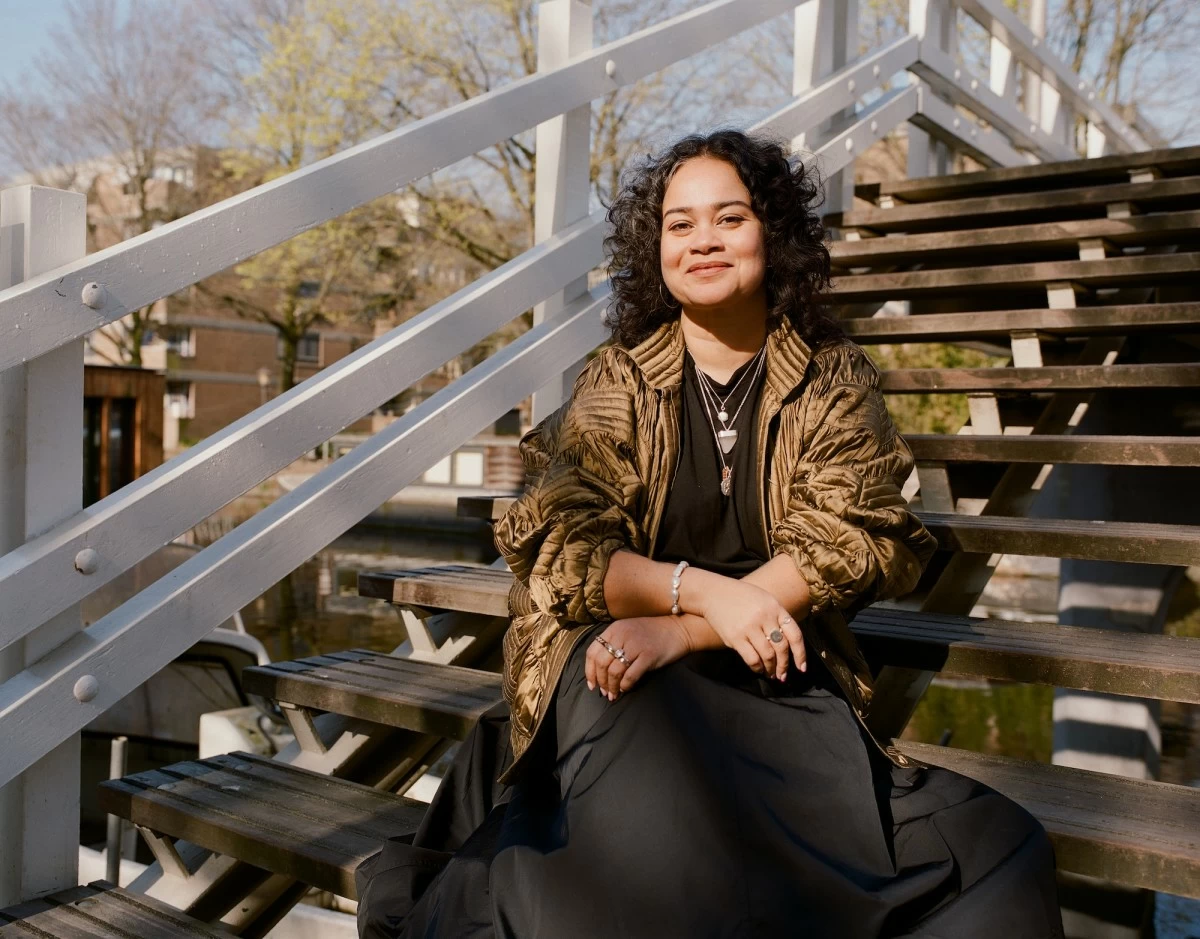
Deepa Paul (Photo by Samira Kafala)
By Ieth Inolino-Idzerda
A few days after a week-long writing residency in Greece with sunsets over the Aegean Sea, Deepa Paul is back in Amsterdam, sitting on a leather couch at De Ysbreeker, a favorite local cafe facing the Amstel River. In a few days, she will fly to Frankfurt at the world’s biggest book fair. But for now, she’s admiring a floor-to-ceiling bookshelf that serves as a backdrop to a billiards table. The clicking of the balls threatens to puncture our sentences so we move to a quieter corner. Realizing she skipped lunch, she ordered a typical Dutch fix: a tosti–grilled ham and cheese (dunked in ketchup) and a glass of iced tea spiked with sparkling water. The book on the table is anything but typical.

Deepa Paul by an Amsterdam canal (photo by Wesley Verhoeve)
Her debut memoir “Ask Me How It Works: Love in an Open Marriage” reads like the ideal solo weekend trip companion: a chapter on the train, another for a park bench, one more beside an aperol spritz before dinner. It’s like traveling with a friend—you hear yourself ask, and the next page answers. The first step to any answer, she’ll tell you, is asking the right questions. If Carrie Bradshaw knows good sex and isn’t afraid to ask, Deepa knows open marriage–and isn’t afraid to answer.
Each chapter is written to answer the questions repeatedly asked of her over the years: How does it work? What are the rules? What about jealousy? What about your child? The book began as an FAQ she drafted for dating app conversations, when strangers kept circling back to logistics and limits, caution and curiosity, whether it’s about her husband of 17 years or her boyfriend of five years.
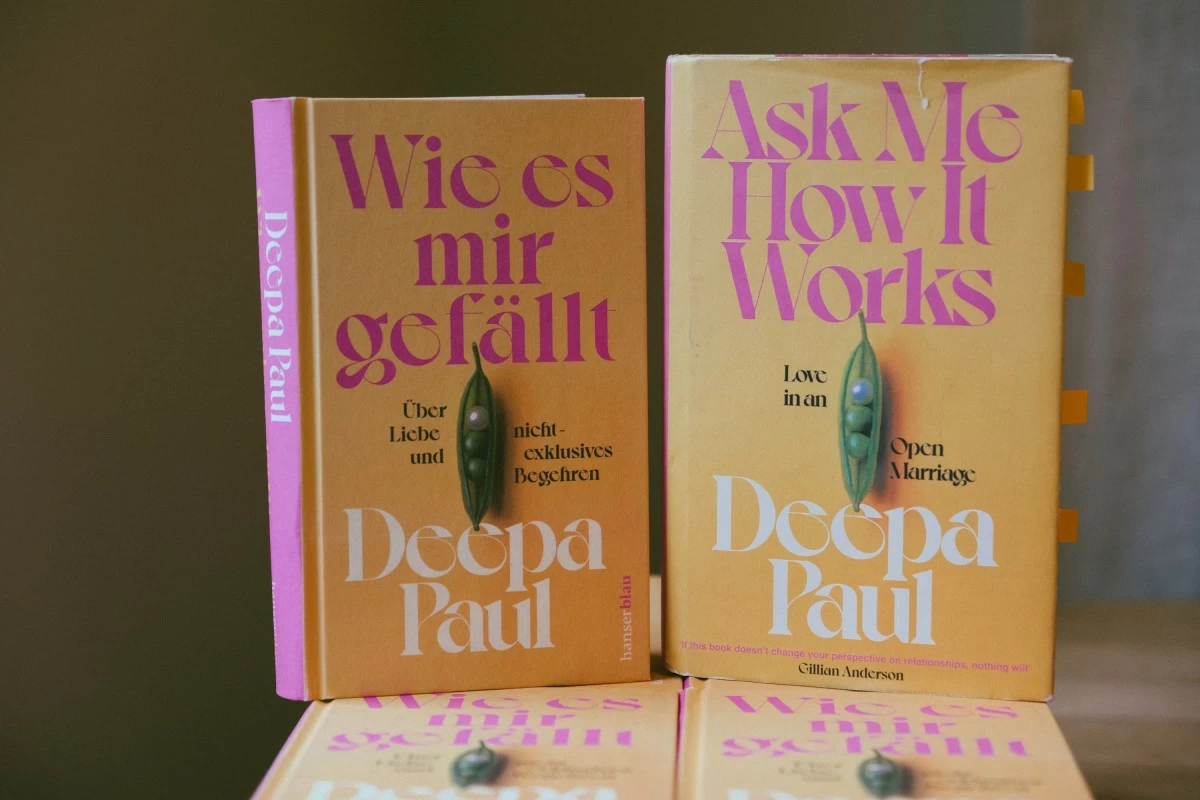
Deepa Paul's “Ask Me How It Works: Love in an Open Marriage” (Photo by Jenny Penas)
A mentor’s nudge—this isn’t an essay, it’s a book—brought her memoir to life. Each chapter, a structure. Each answer, a door back into memory. “Memorable moments want to be written,” she said. She returns to earlier selves—the Catholic school girl out of step with rules around intimacy, the new immigrant surprised by loneliness, the newly postpartum mother surprised by it again—and writes to them as if to a younger friend: You did your best with what you knew.
“Memoir writing is like being able to go back to a previous part of yourself and understand the decisions you made back then,” she continues. The practice of asking widens here: asking for time, asking for clarity, asking to be complicated and whole. Ask, answer. Onion, peeled. Yes, the book goes there—the mechanics of an open marriage, the rules and renegotiations, the jealousy and first dates, the sexual explorations. And those chapters are best heard in her own cadence. Readers should hear them straight from Deepa, the way one prefers the truth from a friend on a long walk or over a bottle of Rioja on an autumn night. What matters just as much is the person you meet around those pages: a woman of many layers—mother, daughter, wife, girlfriend, immigrant, writer, friend–who learned to ask for what she wants and to name what she needs.
In Filipino moms’ groups online, she still meets women who don’t feel entitled to one hour of their own time. Start there, she insists. Claim the hour. “Your feelings are valid. Be willing to have conversations that might be uncomfortable.” This includes asking partners to step up as fathers, not just providers. From there, larger asks become thinkable: language for desire, real boundaries, time for the work that matters. “Women should ask for more–not because of what you do, but because you exist. Understand yourself, accept yourself, and communicate what you need and want.”
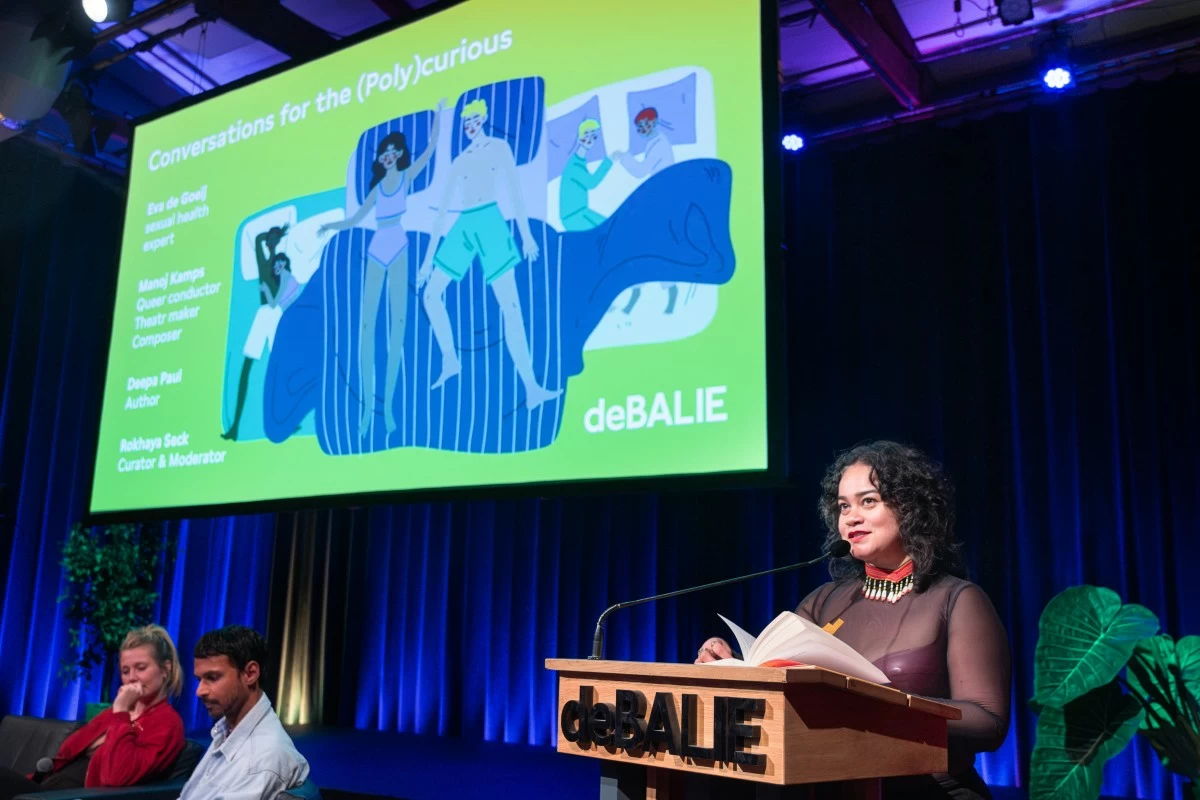
Launch night at De Balie in Amsterdam (Photo by Conor Vella)
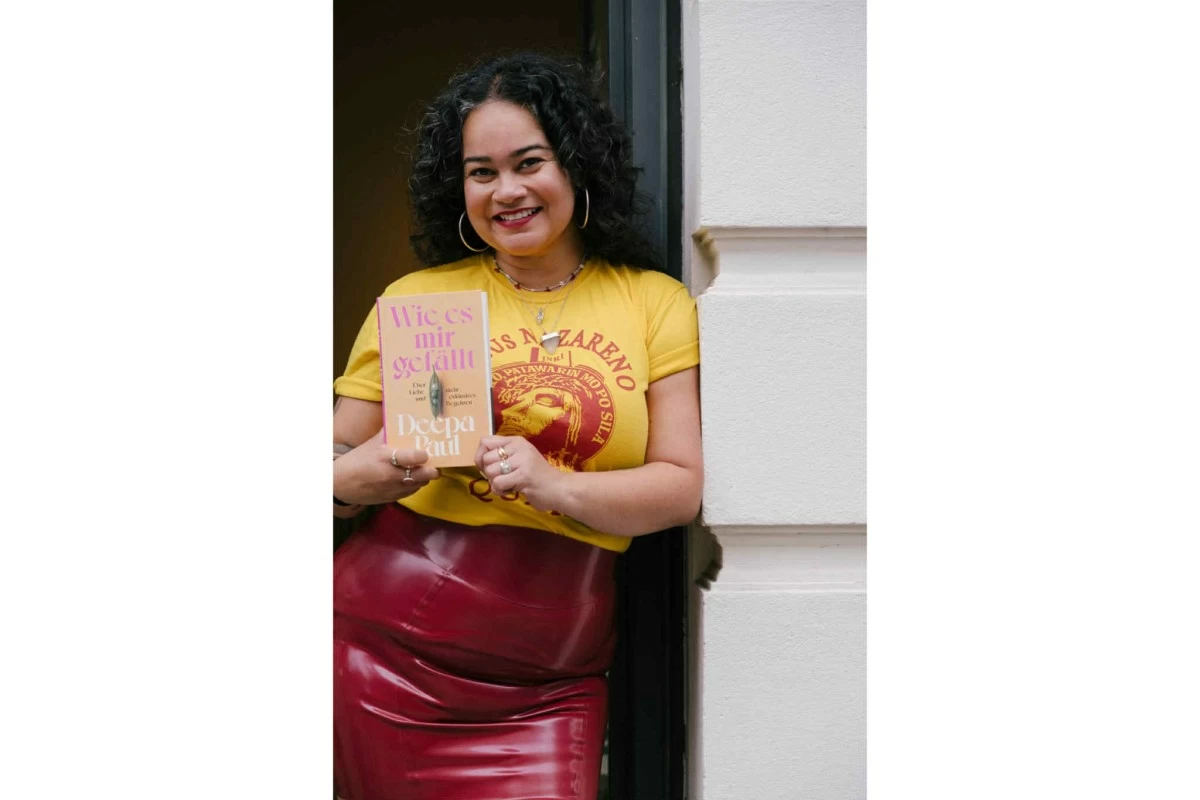
Berlin Book Launch (photo by Jenny Penas)
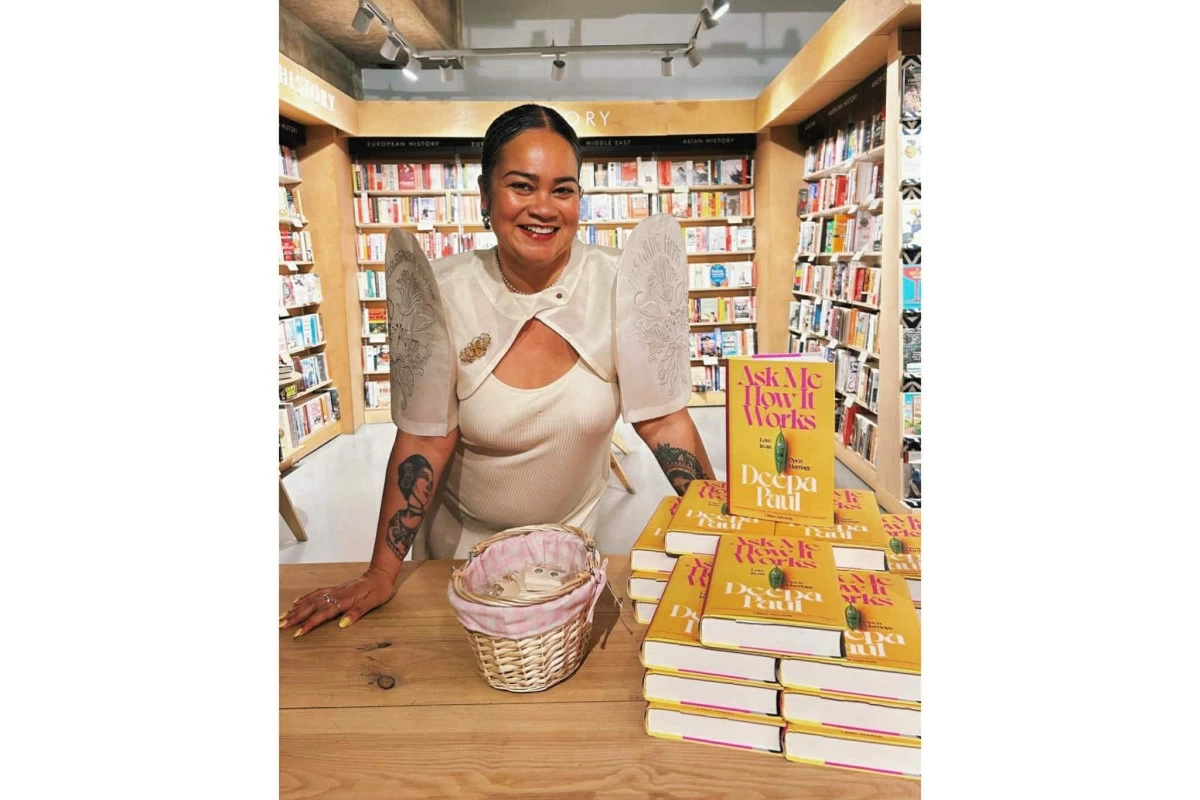
London Book Launch (photo by Dandy Ng)
Like Deepa, the book that contains multitudes, has traveled and evolved. Written in Amsterdam during the pandemic, published in London (Viking Books/Penguin Random House UK) this year, and now lives in multiple languages: a Dutch edition, Je mag me alles vragen (Uitgeverij Nieuw Amsterdam), and a German edition, Wie es mir gefällt (hanserblau). Launches have already punctuated the map—London, Amsterdam, and Berlin.
Now the road bends to Frankfurt, where the city becomes the capital of books and stories with the Frankfurter Buchmesse running from Oct. 15 to 19, 2025. This year, the Philippines is the Guest of Honor, which means a purpose-built national pavilion, daily programs, and a city-wide spillover: film screenings, music nights, and even historical walks tracing Jose Rizal’s time in the city. Deepa is part of the panel “Writing Far, Writing Home,” alongside Marga Ortigas and Maya Butalid, where these Filipinas in Europe talk about their varied writing experience with narratives about and from the home country.
A few days after our conversation, between Amstel in Amsterdam and the Main River in Frankfurt, two steady currents will carry her from a quiet table to roaring halls. She will take up the book’s simple dare: ask clearly, answer plainly, and prove on publishing’s grandest floor that a Filipina voice belongs to the center of the room.
Follow Deepa Paul on Instagram @storiesbydeepa
If the question had a question:
A question you’re always asked but didn’t include in the book.
People ask my husband and boyfriend: Are you willing to share your wife? No one asks me if I’m willing to share my men. It reveals a gender bias–wives seen as men’s property.
A question you wish people asked.
What makes you happiest about non-monogamy? For me: self-discovery through different connections. New people and places show me new versions of myself.
A question you still don’t know how to answer.
How do you have time? Maybe because I don’t watch TV. Under capitalism, we’re all tired–I’m tired of being tired.
A question you ask yourself.
Will I always want to date other people? I’ve wondered if certain life events (like a second baby) would change that.
A question you’re afraid to be asked–and by whom.
I’ve heard it all. If a question is rude, I know how to handle it.