






Manila Bulletin
 Spotlight Features
These cute bag charms turn local folkloric creatures into celebrated icons
Spotlight Features
These cute bag charms turn local folkloric creatures into celebrated icons
Spotlight Features
These cute bag charms turn local folkloric creatures into celebrated icons
These cute bag charms turn local folkloric creatures into celebrated icons
By Yvette Tan
Published Oct 15, 2025 05:30 pm


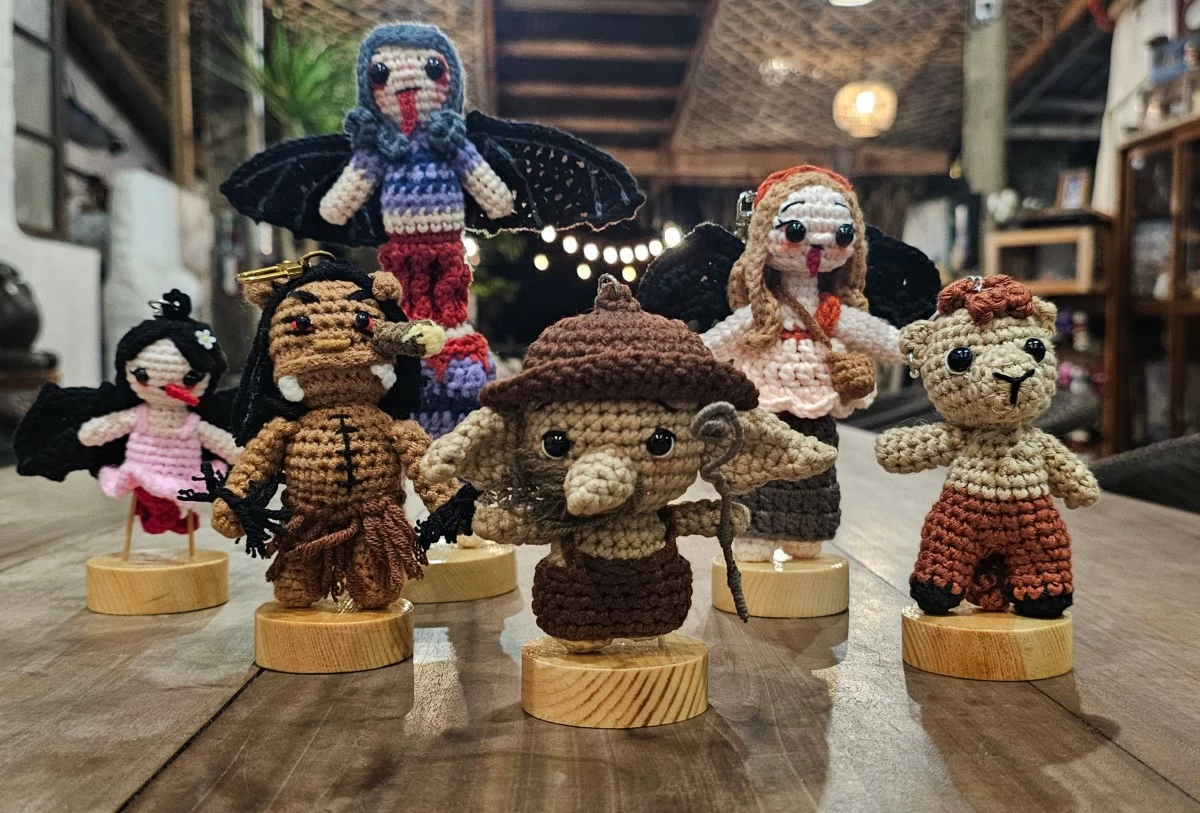
Lamumu dolls featuring creatures from Philippine folklore. (Jose Arcenas)
Bag charms have become a popular fashion accessory, one of the most identifiable ones being Labubu, whose popularity has turned its manufacturer, Pop Mart, into a billion dollar business.
Closer to home, Lamumu Dolls Capiz, knitted dolls in the shape of popular creatures from folklore, have been taking over netizens’ feeds and hearts.
The social enterprise is the brainchild of Jose Arcenas, who also owns Casita Juan resort in Roxas City, Capiz. “You can bring home something tangible from Capiz," he said in Taglish. “Tourists usually bring home food, but it’s gone after you eat it.”
While the dolls were launched a year ago as part of the resort’s CSR program, the reason behind it runs much deeper. “I’m into the arts, and I feel bad that it isn’t given focus in the Philippines,” he said. In his travels to neighboring countries, Arcenas noticed that they tended to push their own arts and crafts, which were always visually appealing. He wanted to apply this to his own province.
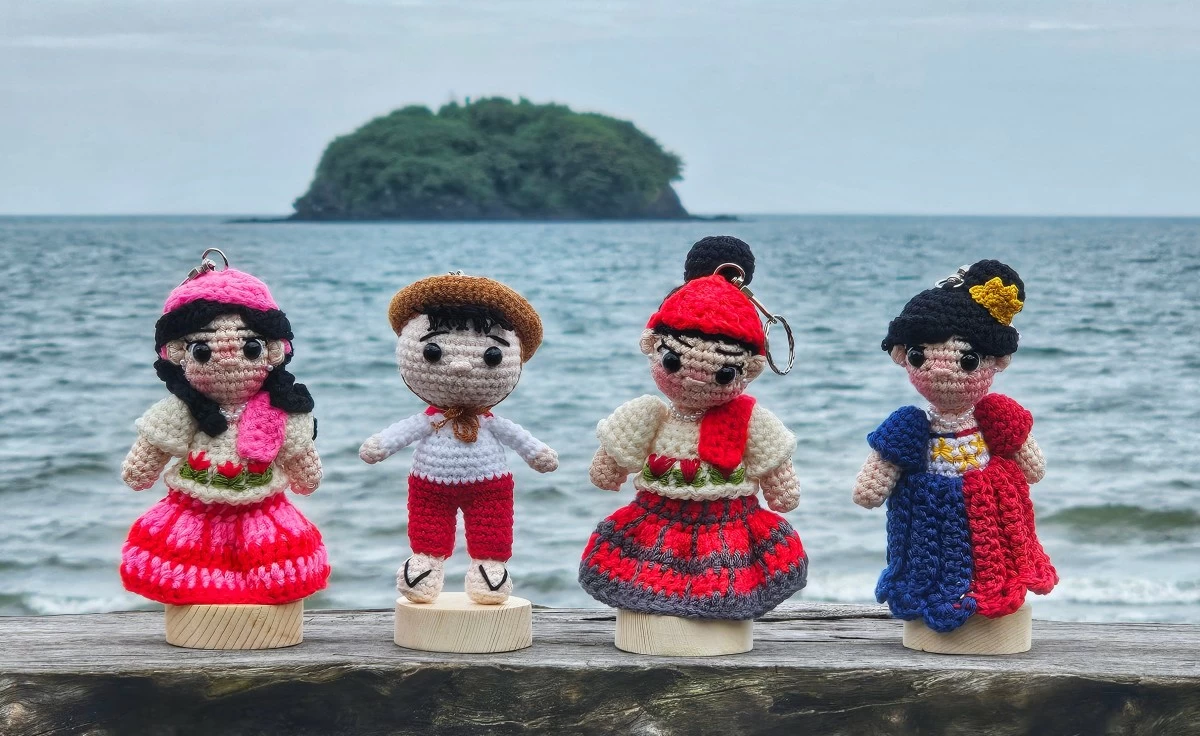
More than just being cute, Lamumu dolls inspire their owners to love the Philippines. (Jose Arcenas)
Inspiration hit during a trip to Vietnam, where he came across amigurumi dolls; small, stuffed crochet dolls which were also being sold in bazaars back home, usually in the shapes of popular Western characters. “I said to myself, how are we going to develop Filipino culture? The concepts should be based on what we have. It should have a core identity to draw from.”
What would be identifiable to over 116 million people spread out over 7000 plus islands?
Its creatures of folklore.
“We enjoy Harry Potter and Hotel Transylvania, how come we cannot adopt our own?” Arcenas said. “I started with the aswang because it’s the most popular.”
Serendipitously, Capiz is known as the birthplace of the aswang. There have been attempts to capitalize on this, most notably an aswang festival that was discontinued after protests from the Catholic Church. Arcenas was fully aware of this risk.
His first doll was the manananggal because it is easily recognizable. Other designs included the kapre; the kataw (Visayan mermaid); and Voodoo dolls, the latter inspired by Siquijor, where they are sold as souvenirs. “We have the same tradition [and] culture… so I adopted it. It does not belong only to us; the myths belong to the entire country.”
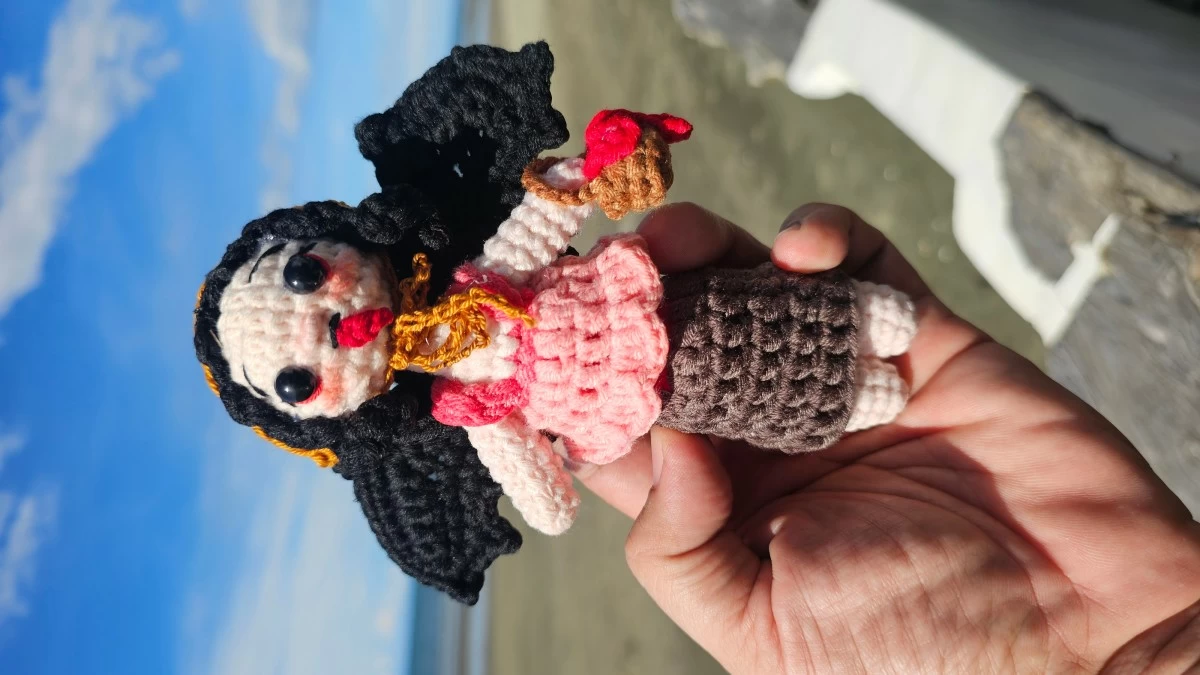
Lamumu’s first doll, the manananggal, remains its most popular. This version has two halves that are attached at the waist by a magnet. (Jose Arcenas)
Getting started wasn’t easy. Arcenas had to find crafters who could produce his designs and adhere to his desired quality. He currently works with anywhere from 15-25 crafters, and each doll is fully handmade. “Each product is very different depending on the person who is making it."
The crafters are mostly mothers and students; folks who are looking for a side hustle that doesn’t interfere with their daily routines and doesn’t require them to leave their homes. Arcenas works with PDLs (People Deprived of Liberty) as well. “It provides a stable income for stay at home moms, pays tuition and [allowance for students], and offers a sense of purpose for women who are deprived of liberty.”
The dolls have been well-received ever since their launch. Arcenas shared that they weren’t originally called Lamumu, and that the name was given by customers who thought the dolls resembled its international cousin. “Lamumu” is a combination of “Labubu” and “mumu,” the Tagalog word for ghost.
The name stuck, and a good thing too, because it’s helped tremendously with brand recall. “They don’t have to buy it, but [it’s nice seeing] the satisfaction on those faces when they see that it's a Filipino concept that’s also Filipino made.”
Capiz businesses and the local government support the concept as well. Lamumu dolls are now available online, at the Roxas City airport, and in select businesses along Baybay Beach.
And the church? “Even priests buy from me!” Arcenas said. “It’s fulfilling because we’re also changing how we look at the aswang.”
The business has since expanded its offerings. Dolls include ones in Panay Bukidnon (the local Indigenous People) and Filipiniana attire, as well as religious figures. Arcenas is happy because as Lamumus continue to gain popularity, they are associated with either Capiz in particular or the Philippines in general. “There’s a sense of ownership,” he said. “We have to recover from the colonial mentality so we can develop that Filipino pride that we always talk about. We have to be proud of our products as well.”
With the dolls’ growing popularity, it’s inevitable that others will try to copy the business model. Arcenas welcomes this. "I'd rather they copy a product based on a Filipino concept, not [foreign ones like] the Little Mermaid anymore.”
His latest design is a doll in a gown inspired by the motif of the Philippine flag, a nod to the public’s growing dissatisfaction with current events. “My push has always been to love your country,” he said. “Buy local, promote local, love the Philippines.” (Photos courtesy of Jose Arcenas)