






Manila Bulletin
 Business
Trade & Industry
Frequent outages costing fast-growing ASEAN economies billions
Business
Trade & Industry
Frequent outages costing fast-growing ASEAN economies billions
Business
Trade & Industry
Frequent outages costing fast-growing ASEAN economies billions
Frequent outages costing fast-growing ASEAN economies billions
Published Oct 14, 2025 02:52 pm


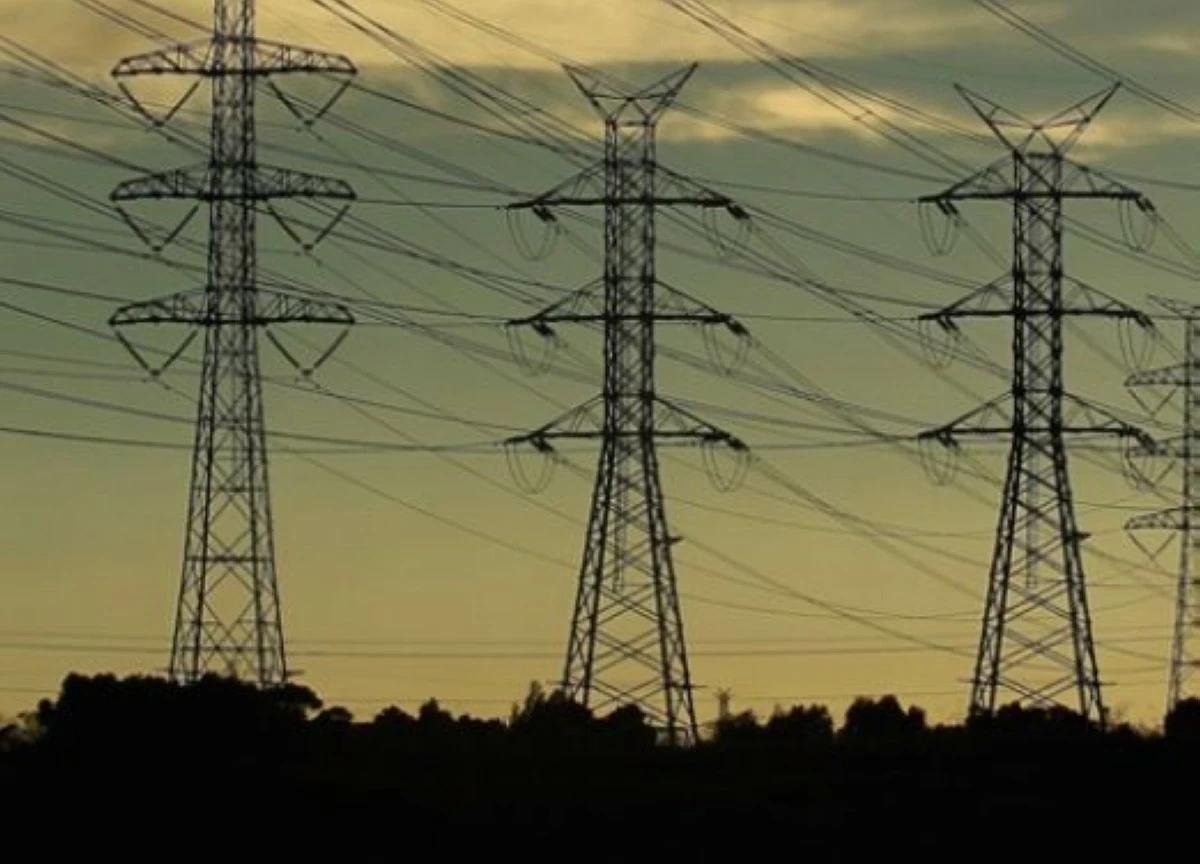
As ASEAN members continue to adopt high-tech solutions to enhance energy security and affordability, independent energy think tank Ember Energy reported that smart grid investments will be crucial for reducing economic losses across the region, particularly in the Philippines.
In its report, Ember found that fast-growing economies such as the Philippines, Indonesia, and Vietnam must scale up their energy technology systems to curb high power costs caused by frequent outages.
This year alone, the National Grid Corporation of the Philippines (NGCP) has raised the grid alert status to yellow across Luzon, Visayas, and Mindanao on numerous occasions, with the Visayas being the most frequent. These alerts are typically issued when the operating margin is insufficient to meet the transmission grid’s requirement.
According to Ember, the Philippines’ frequent power strains resulted in an estimated Value of Lost Load (VOLL) of $3.55 per kilowatt-hour (kWh) from 2015 to 2020. This figure clearly reflects the impact of power interruptions on economic growth.
Strengthening the national smart grid pathway, however, would not only improve energy reliability and affordability in the country but also contribute to ASEAN’s goal of reducing an estimated $2.3 billion in economic losses by 2040.
The Department of Energy (DOE) has previously announced its plans to establish the Smart and Green Grid Plan (SGGP), a roadmap intended to modernize the transmission system and allow large-scale renewable energy (RE) deployment.
This plan includes pushing for the swift implementation of transmission projects and improving current grid operations, which would effectively accommodate the growing RE developments in the Philippines.
The SGGP is expected to be completed this month. It will strategize the use of smart grid technologies, digital monitoring, and distributed energy systems to help achieve a 35 percent RE share in the generation mix by 2030 and 50 percent by 2040.