







How does corruption affect the health of Filipinos?
A closer look at how budget anomalies can be detrimental to our health
Published Oct 13, 2025 07:55 pm


At A Glance
- Ultimately, corruption results not just in economic losses for the country but also significantly impacts the health of the Filipino people.
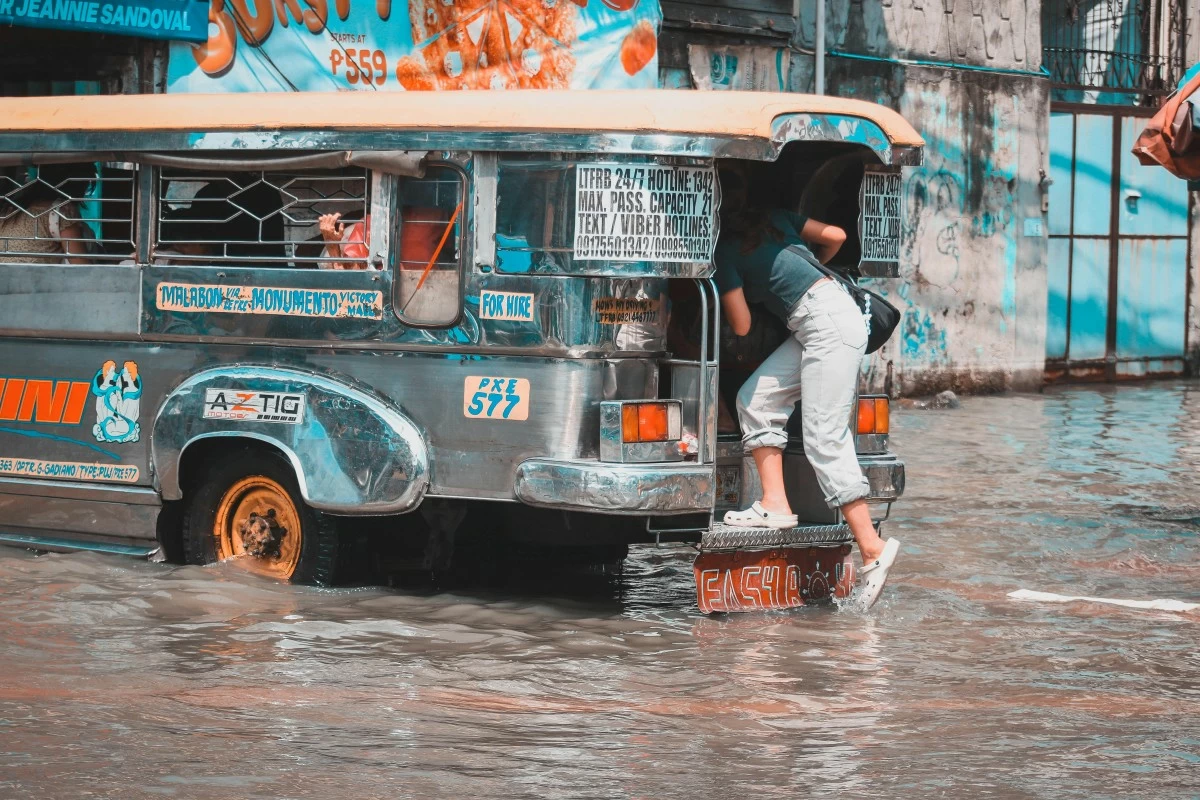
Following the discovery of billions of pesos in ghost flood control projects and the implication of many members of Congress and the Senate, I started thinking about how that money could have been put to better use, especially in improving the health of Filipinos. This seems to be only the tip of the iceberg, and endemic corruption is likely found in many other projects of the government.
The most obvious direct effect on health from stealing money for flood control projects is that those flood-prone areas will continue to suffer from the effects of uncontrolled environmental flooding. As we deal with increasingly unpredictable and violent weather patterns because of climate change, the impact of floods in these areas will only accumulate in terms of damage to property and its impact on human health. Floods bring diseases such as leptospirosis and dengue fever. Contamination of food and water in evacuation facilities leads to outbreaks of typhoid fever, diarrhea, and hepatitis. Disruption of farming and food supplies results in widespread hunger. Children who are malnourished end up getting stunted and are less able to learn. This is further exacerbated by the interruption of school and the displacement of populations to evacuation centers.
Indirect effects of Floodgate include realignment of essential budget items to pet projects of corrupt officials who receive kickbacks from the contractors. This can affect needed infrastructure and programs that involve education, training, and healthcare. If news reports are accurate, the removal of counterpart funds for foreign-assisted projects may have put in jeopardy millions of dollars in committed funding. Corruption has an outsized impact on many levels on the health and economic wellbeing of a nation.
When I was in medical school at the University of the Philippines College of Medicine, we were introduced to the story of Rosario, a one-year-old girl who died of diarrhea and measles complications. This case is drawn from real life in an urban poor area of Metro Manila. Written by Gerardo Andamo, Dr. Carol Araullo, and Dr. Edelina Dela Paz from the Council for Primary Health Care, it follows the brief life of Rosario and describes in detail her family and her circumstances in life.
Rosario lived in a slum area with her parents and three other children. Their parents struggled to make ends meet, and Rosario and her siblings were severely malnourished. Lacking education, her parents made bad health choices, such as not vaccinating their children and thinking that worms were normal. They were also preyed upon by unscrupulous individuals who convinced them to buy formula instead of breastfeeding the children. Instead of the local government providing healthcare for Rosario, she was shunted to a private hospital because of a lack of medicines and resources, for which the local official was being investigated for corruption. The hospital bills piled up, and the family went into usurious debt. At the end of the story, despite all that effort, Rosario died anyway. The story ended by asking, “Why did Rosario die?”
“Story of Rosario” is an early attempt to describe what is now termed the social determinants of health. As doctors, we are trained to diagnose and identify diseases and treat them accordingly. There are, however, many other non-medical factors that determine the health of people, including education, housing, employment, nutrition, safe neighborhoods, and social support. All these social determinants of health are affected by corruption, and the health of the individual Filipino is adversely impacted.
In the “Story of Rosario,” the poor educational attainment of her parents was likely a result of poverty and inadequate access to education. This, in turn, resulted in few opportunities for employment, which meant limited income to buy even the most basic necessities. The lack of education also meant that they were unable to appreciate the importance of proper family planning, and the added mouths to feed further exacerbated their poverty. They also made a lot of poor decisions, like deciding not to vaccinate the two younger children since the older two developed fever after getting their shots. The billions of pesos that were stolen in the Floodgate scandal could have gone to strengthening our educational programs by building more classrooms with feeding programs, providing materials, and ensuring better salaries for teachers. This will result in better quality education and help prevent the mistakes Rosario’s parents made.
Corruption was also hinted at in “Story of Rosario” when the barangay health center did not have any medications or supplies for her because the center was not given the budget allocation requested by the Municipal Health Officer. According to the nurse in the health center, the additional budget request was denied because of suspected corruption by the mayor and the City Health Officer. This illustrates the infighting that frequently occurs in Philippine politics, with the collateral damage being the money that could otherwise provide proper treatment for those who can least afford it. Nowadays, Philhealth and the Universal Healthcare Law are being tapped to fill these gaps. Unfortunately, these are not immune to corruption, and the tremendous amount of money needed to fulfill the healthcare needs of the people has been targeted by unscrupulous individuals.
Ultimately, corruption results not just in economic losses for the country but also significantly impacts the health of the Filipino people. This happens directly due to a lack of funds for healthcare, and indirectly through its effect on the social determinants of health. We need to make sure that the culprits in this fiasco are held accountable, and their punishment should serve as a strong deterrent against future attempts at stealing from the nation’s coffers. Otherwise, more Rosarios will die.