






Manila Bulletin
 Business
The Stock Market
DMCI's Isidro Consunji prepares to retire, focuses on building new foundation for farmers
Business
The Stock Market
DMCI's Isidro Consunji prepares to retire, focuses on building new foundation for farmers
Business
The Stock Market
DMCI's Isidro Consunji prepares to retire, focuses on building new foundation for farmers
DMCI's Isidro Consunji prepares to retire, focuses on building new foundation for farmers
Published Oct 11, 2025 03:08 pm


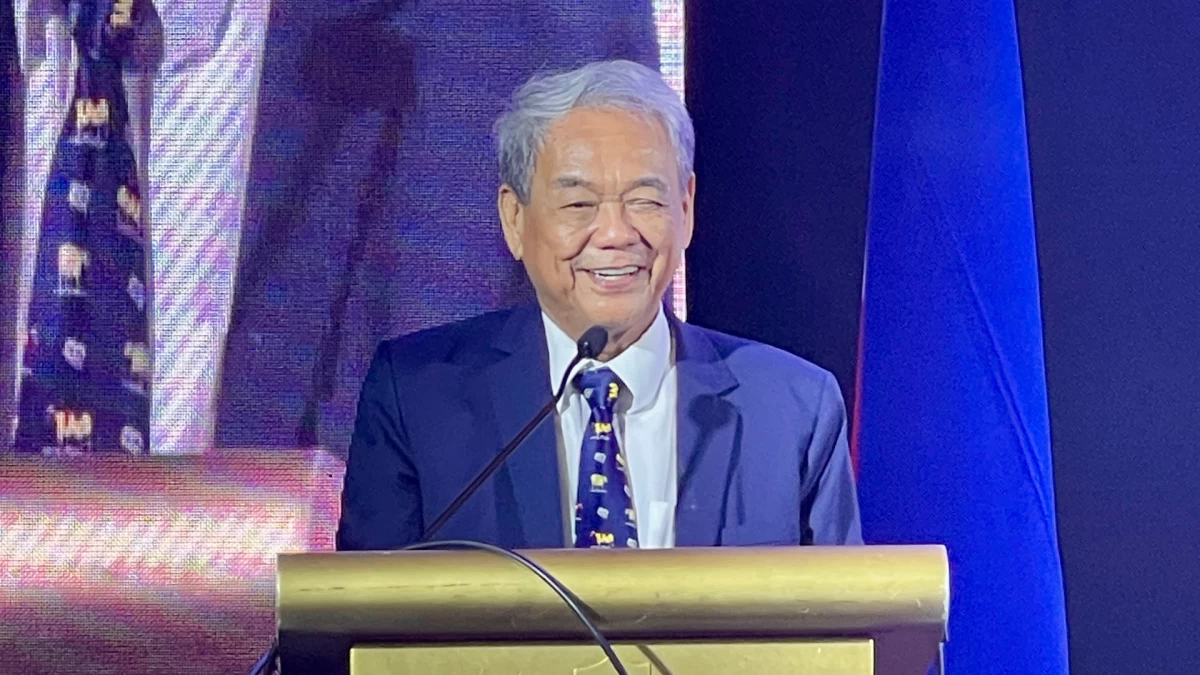
Isidro A. Consunji
At 76 and 30 years at the helm of the diversified engineering conglomerate DMCI Holdings Inc., Chairman and President Isidro A. Consunji is starting to plan for his retirement, which will be filled with sunshine, as he shifts focus to expanding family-owned plantations covering thousands of hectares to produce cash crops and carbon credits.
“As I step back from active management in DMCI, I’m about to retire, I’ve been spending more and more time on our family’s agriculture ventures,” he said during the 57th Finex Annual Conference.
He noted that agriculture has one of the highest poverty rates in the country at around 27 percent, “so our goal is to develop marginal land, which is denuded, logged-over land, where there are very few economic activities, and turn idle land into real livelihoods."
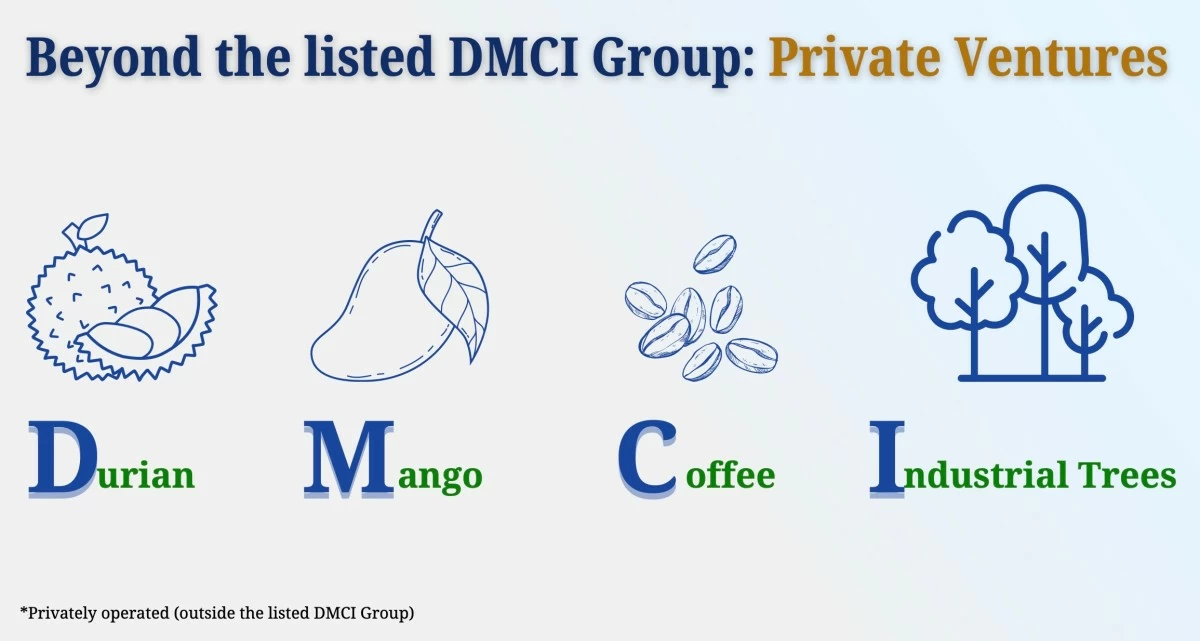
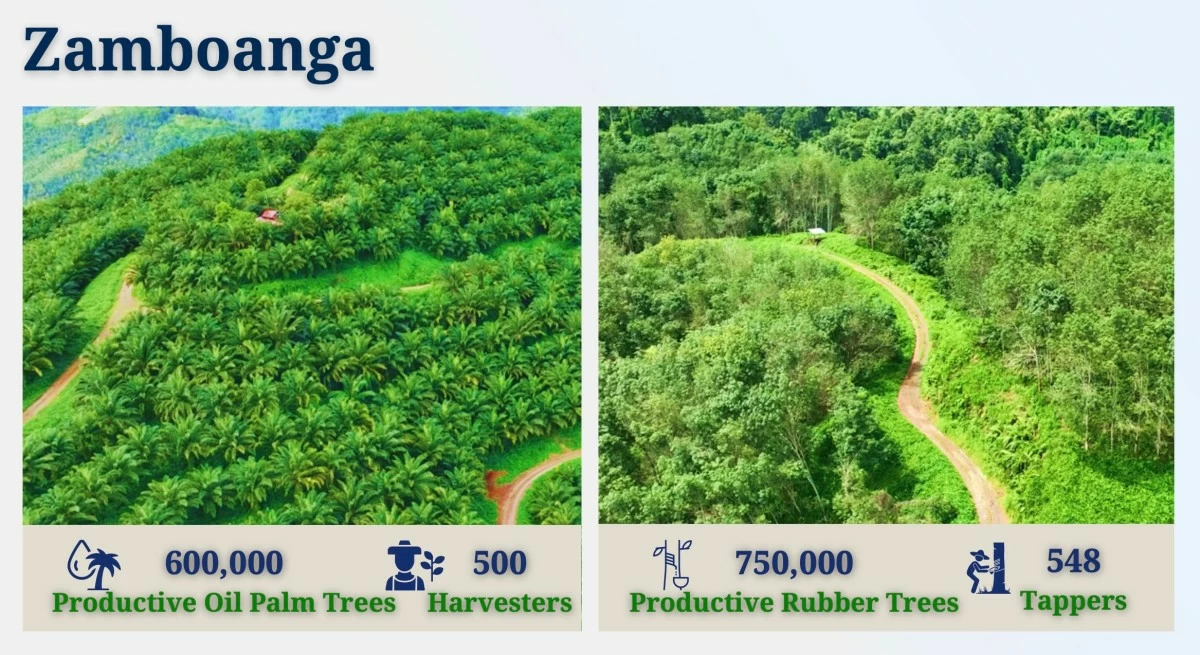
In parts of Mindanao where the Consunji family once operated logging areas, they have converted the idle land into plantations of rubber, palm oil, coffee, and durian.
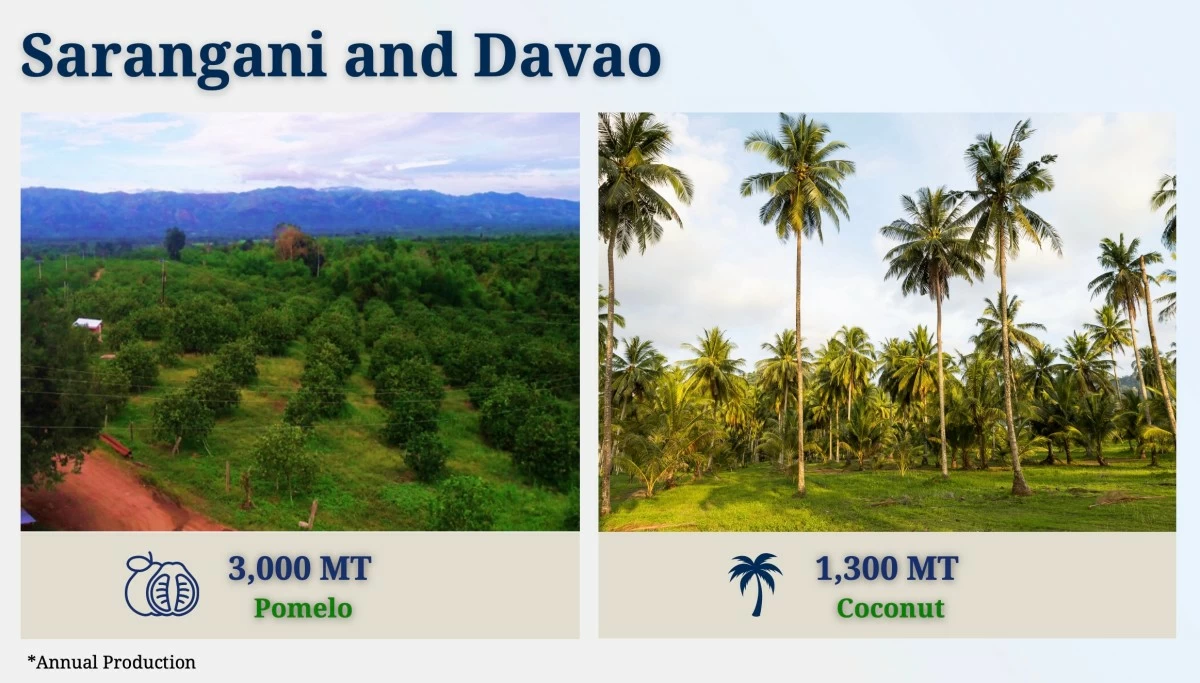
“When we were in logging with less than 500 people, now we have more than 3,000 people in our agricultural venture. Today, we operate plantations across Mindanao: palm oil and rubber in Zamboanga, coffee and durian in Sultan Kudarat, as well as other fruit trees in Sarangani and Davao,” Consunji shared.
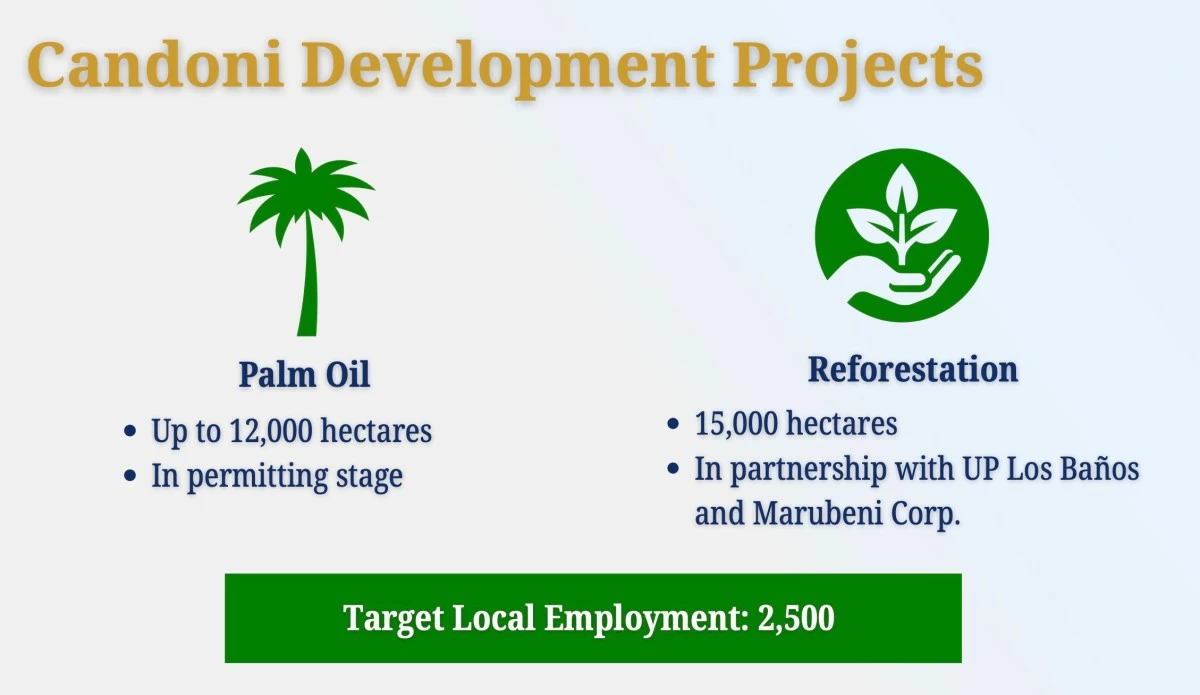
The family’s agriculture business is now in the final stages of securing permits for an African palm oil project in Candoni, Negros Occidental, located south of Bacolod, an area with limited economic activity.
“So, if everything goes as planned, we aim to develop 6,000 hectares in the next two years and expand to 12,000 hectares in five years,” Consunji said.
Meanwhile, last July, in partnership with Marubeni and UP Los Baños, the Consunjis initiated a reforestation project in the same area, aiming to plant 1.5 million trees over 15,000 hectares in Candoni.
“This is for carbon credits. And, if it succeeds, we intend to go up to 100,000 hectares in areas that were denuded,” he said, adding that, “Between the plantation and reforestation projects, the workforce in Candoni could reach around 2,500 people.”
Meanwhile, he said, “We also run a plant-now-pay-later scheme for our outgrowers, so small farmers —Muslims and Christians— can participate in the value chain. We don’t want that it’s only the company that can survive. So we intend that small farmers also benefit.”
He explained that most of these small farmers do not have the money, especially for the seedlings, “So what we’re trying to do is to give them the seeds today, and they start paying us five years from today when they start harvesting.”
Consunji noted that “Infrastructure has made a significant difference in Zamboanga, where we allowed the public to use our company road that reduced travel time to the nearest city by over four hours.
“In some sitios without transportation or communications, we have introduced Starlink and shuttles so that children can get to school...
“We’ve also introduced vocational scholarships to employees’ children to study agriculture so that they can become supervisors or managers in the future.”
With their investment, Sirawai in Zamboanga has improved from fifth class to second class while Candoni, where reforestation just started a year ago, has changed from fourth class to third class in one year.
“For rural development to be sustainable, we believe our businesses has to be profitable. Our intention is that whatever income the agriculture business creates would be keep going to the business and not to dividend it out,” said Consunji.
He added that, “I hope that other people or other organization would replicate something similar with what we’re doing, because hardly anybody in the country has been investing in agriculture.
“Probably because the banks are scared of agricultural ventures. In this case, Land bank, BDO and BPI were very much willing to extend. So there’s been a shift. I think the big banks are prepared to lend long term money to Agri.”