






Manila Bulletin
 Entertainment
Movies and TV
The tarnishing of a hero's luster - A review of 'Quezon'
Entertainment
Movies and TV
The tarnishing of a hero's luster - A review of 'Quezon'
Entertainment
Movies and TV
The tarnishing of a hero's luster - A review of 'Quezon'
The tarnishing of a hero's luster - A review of 'Quezon'
Published Oct 10, 2025 06:54 am


A scene from 'Quezon'
The planned Bayaniverse trilogy of Director Jerrold Tarog and TBA Films comes to its completion with the release of Quezon on Oct. 15. It’s a decade-long journey that began with Heneral Luna in 2015, and was followed by Goyo: Ang Batang Heneral in 2018.
Manuel L. Quezon (Jericho Rosales) is the first President of the Philippines’ Commonwealth, and his life story will follow the Tarog trademark design of engaging the audience through strong storytelling, shafts of humor, and true-to-life situations that involve high drama. It has made our Philippine history more accessible. While absolute historical accuracy has always been played with (there is a disclaimer at the start of the film) and has been subjected to Tarog’s interpretative prism, one can’t argue with the box office success of his Bayaniverse films.
Tarog has always taken a subversive approach to hero worship and myth-making, preferring to cut these ‘heroes’ down to size, and showcase their frailties, vices, and weaknesses - alongside the heroic endeavors which Philippine history has attached to them. In fact, I’d go back to one of his earlier films, Confessional, as the one I have enjoyed the most in terms of narrative surprise.
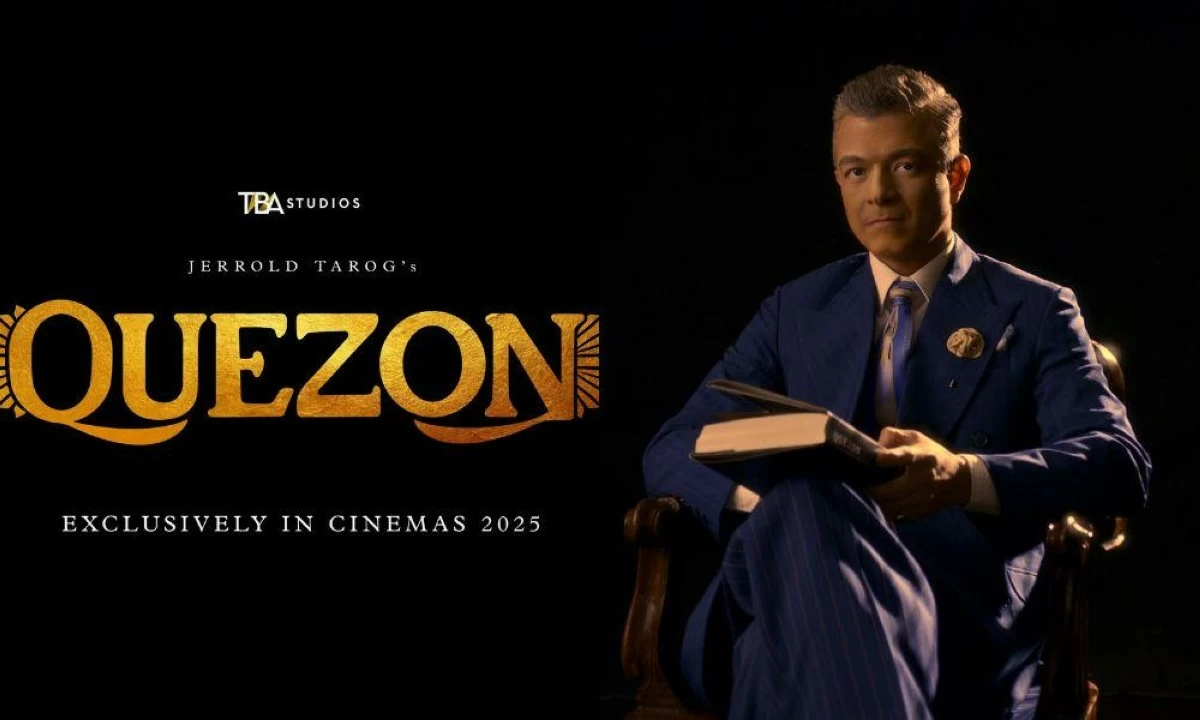
In the case of Tarog’s and Rody Vera’s screenplay for Quezon, the statesman’s lifelong fight for independence and nationalism is juxtaposed with his notorious philandering and egotistical nature. Also hinted at are his elitist attitude, manipulative acumen, political prowess, and obsession with self-aggrandizement. In short, it’s a Quezon that we can admire, and at the same time, we could love to hate. He’s a peacock; one with substance and idealism, but a peacock nonetheless.The film’s inner conceit is to portray historical events in the form of a silent film newsreel. It’s here that Benjamin Alves, as a young Quezon, shines by emoting and helping us understand the man without saying a word, relying solely on facial expressions and gestures. It’s stylized and melodramatic, but it fits the medium in which this passage of events is presented.
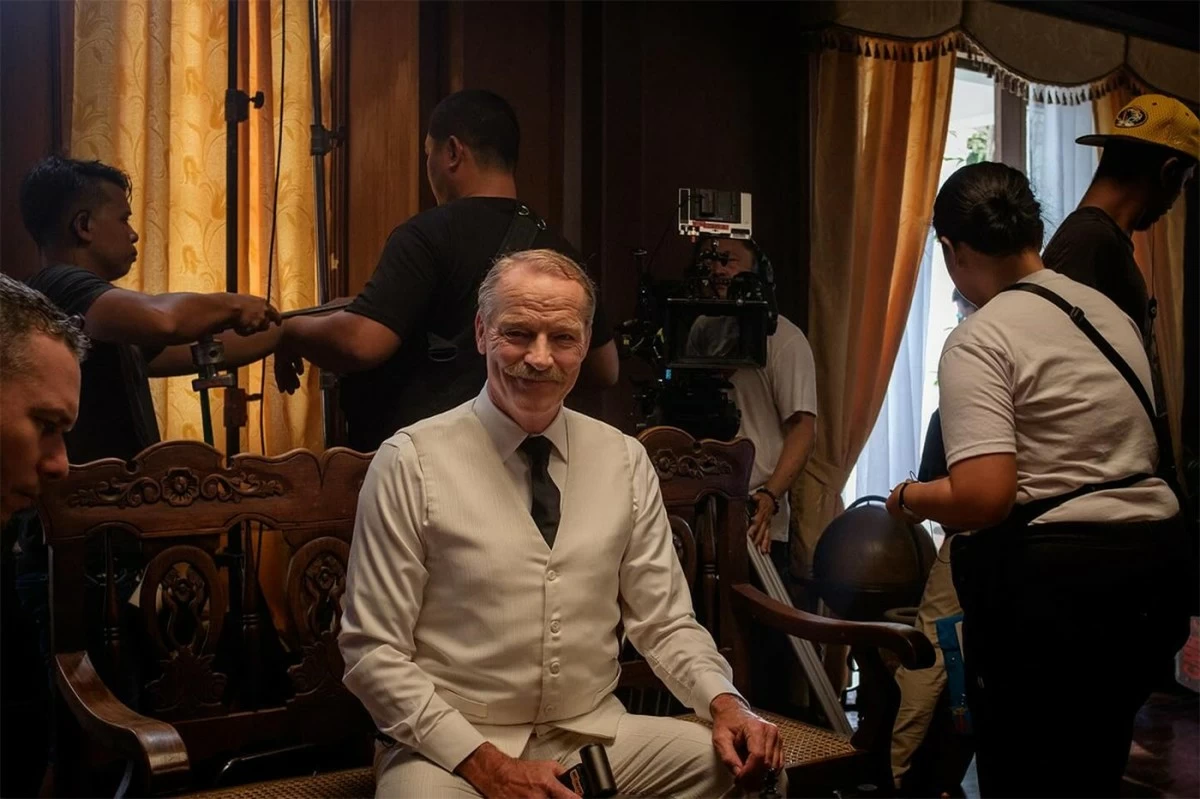
Between Sergio Osmena (Romnick Sarmenta), Emilio Aguinaldo (Mon Confiado), and Leonard Wood (Iain Glen); we have the three thorns in the side of Quezon during the period of time portrayed in the film. These three were the ones he would have to manipulate, cajole, court, and then throw aside, in his march to the Commonwealth Presidency. How he achieves this makes up much of the engrossing narrative. And while the film runs for a little over two hours, the editing and pacing are brisk throughout.
Power politics, patronage by appointments, using media to your advantage, dirty tricks and toying with the public’s perception, and even the ‘noble lie’ - we become witness to how the Commonwealth was the start of so many of the ills we still have to endure to this day, and how Quezon was a Master of the Game. The systemic corruption and failure of delivery, along with preying on the ignorance of the general public, are all depicted in this film. It would be easy to draw a straight line to what is transpiring this very day.
Ultimately, Quezon is a potent history lesson that bears significantly on why the system is so broken, up to this juncture of our nationhood. Emilio Aguinaldo emerges as the historical character that straddles all three instalments of the Bayaniverse. And in the end credits, we are teased with the possibility of a fourth Bayaniverse film."