






Manila Bulletin
 Philippines
Mindanao
Culinary experts urge Mindanao to build a strong food culture to boost tourism
Philippines
Mindanao
Culinary experts urge Mindanao to build a strong food culture to boost tourism
Philippines
Mindanao
Culinary experts urge Mindanao to build a strong food culture to boost tourism
Culinary experts urge Mindanao to build a strong food culture to boost tourism
By Ivy Tejano
Published Oct 8, 2025 09:32 pm


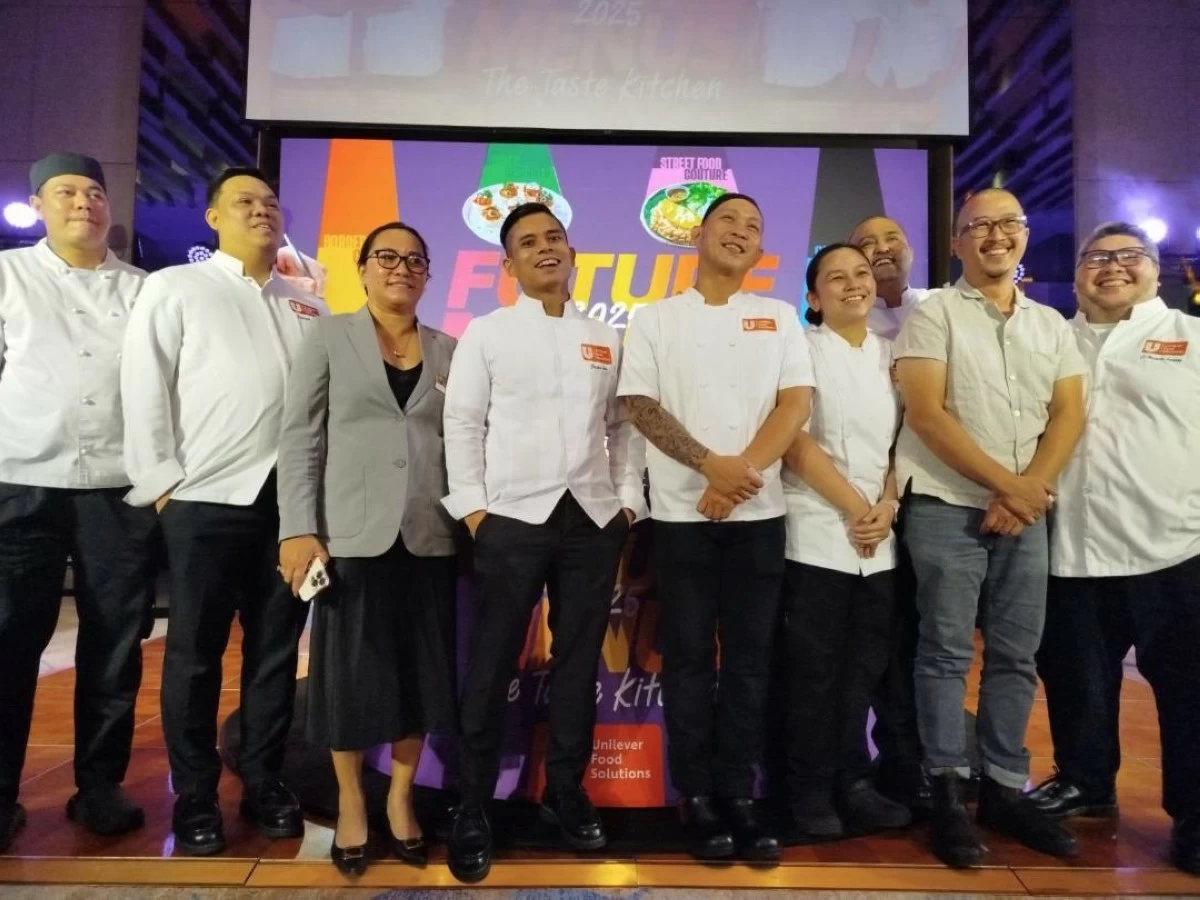
UNILEVER Food Solutions (UFS) Country Executive Chef Kenneth Cacho, together with Senior Sous Chefs Carlos Aluning, J. Brando Santos, and Paulo Sia, led a dynamic, entire afternoon of live culinary demonstrations and industry discussions during the ‘Taste Talk in the Future Menus 2025: The Taste Kitchen’ event on Tuesday, Oct. 7, at Acacia Hotel in Lanang in Davao City. (Ivy Tejano)
DAVAO CITY – Culinary experts and entrepreneurs encouraged the people of Davao and Mindanao to take pride in local flavors and develop a strong food culture that could boost the island’s tourism industry.
Country Executive Chef Kenneth Cacho of Unilever Food Solutions made the appeal during the “Taste Talk in the Future Menus 2025: The Taste Kitchen” event at Acacia Hotel Davao here on Tuesday evening, Oct. 7
Cacho and Senior Sous Chefs Carlos Aluning, J. Brando Santos, and Paulo Sia led a dynamic, entire afternoon of live culinary demonstrations and industry discussions during their significant stop in Davao City.
With Davao known for its fruits like durian, mangosteen, and pomelo, its cultural diversity and role as a gateway to Mindanao’s natural wonders, the four UFS chefs highlighted its potential to innovate while preserving its unique culinary identity.
He said Mindanao holds “a very special place” in his heart, recalling his culinary journey with renowned Chef Marco Pierre White, and emphasized that the island has potential in food and tourism.
“We see a lot of opportunities here not only in Davao City but in the entire Mindanao, that is why next year, we are strengthening our presence here to share more of these things – the Future Menus,” Cacho said.
Cacho, who draws inspiration from White – a three-Michelin-star chef – shared how the lessons of discipline and passion for perfection shaped his culinary philosophy, which he believes anyone here can do.
“White taught me that dreaming is not enough. You have to make it your responsibility to make that dream come true,” he said, challenging chefs and entrepreneurs to create food concepts that support local tourism.
“Food tourism is a big thing,” the executive chef said. He added that the industry needs dreamers who make things happen, especially now with the growing influence of younger consumers.
Cacho said 40 percent of the market is Generation Z. In 10 years, they will control the business, citing that their preferences for experiences and storytelling in food will shape the future of dining trends.
He emphasized that culinary concepts should go beyond aesthetics and trends. “If that food concept does not have a soul, it will just fade away,” Cacho said, “Taste is objective, we must find the middle ground.”
Chef Jeramie Go, owner of Pilgrim Restaurant, echoed Cacho. He underscored the importance of storytelling in a culinary craft, which will connect it to the market.
“Aside from all the flavors and local ingredients, what’s most important is the story, not just of the dish but of the entire menu and the restaurant itself that will connect to your target market,” Go said.
Hannah Mamon, chief executive officer of JM Shawarma, shared her own experience in building a food business in Mindanao and recounted how their venture nearly closed before collaborating with the UFS.
“The journey wasn’t easy. We were on the brink of closing. Innovation saved us. We learned how to elevate our products so people feel good about eating and keep coming back,” Mamon said.
Mamon said her experience through the Future Menus program deepened her understanding of how food can shape customer experience. She added that she became more creative in successfully running a business.
Cacho, Aluning, Santos, and Sia shared ways local food businesses could stay competitive by using Davao’s fresh produce, growing tourism, and the rising demand for diverse and authentic dining experiences.
The culinary experts and entrepreneurs encouraged local chefs, the food business sector, and food enthusiasts to embrace Davao and Mindanao’s culinary identity and nurture a sustainable food tourism industry.
Following a successful launch in Thailand, UFS rolled out its 2025 edition of Future Menus across the Philippines, making a significant stop in Davao City on Tuesday.
UFS Philippines operator experience manager Sheala Ang said the initiative aimed to help local food professionals and restaurant owners adapt to changing trends and achieve sustainable growth.
Ang said the company reaffirmed its commitment to helping businesses tap into these opportunities and transform them into profitable menu concepts that captivate locals and visitors.
Cacho, Aluning, Santos, and Sia brought to life the four key trends identified in the Future Menus 2025 report – Street Food Couture, Diner Designed, Borderless Cuisines, and Culinary Roots – showing how Davao could adapt these global movements to its unique gastronomic scene.
“With insights from over 250 chefs globally, UFS is committed to turning global trends into practical, profitable recipes that empower chefs to create future-ready dining experiences,” Ang said.
For UFS partners in Davao, Ang said the company aimed to provide tailored support to enhance menus, streamline operations, and attract diners who seek comfort in familiar flavors and excitement in culinary innovation that reflects Davao’s rich bounty.
The Davao Taste Kitchen event marked a significant step in UFS’ commitment to supporting food businesses in Mindanao. It followed successful rollouts in Bacolod, Nueva Ecija, and Cagayan de Oro, with Cebu set to host the final stop of the nationwide Future Menus 2025 campaign.