ADVERTISEMENT

Youth activism: Rekindling civic conscience

Published Oct 7, 2025 12:05 am  |  Updated Oct 6, 2025 05:07 pm
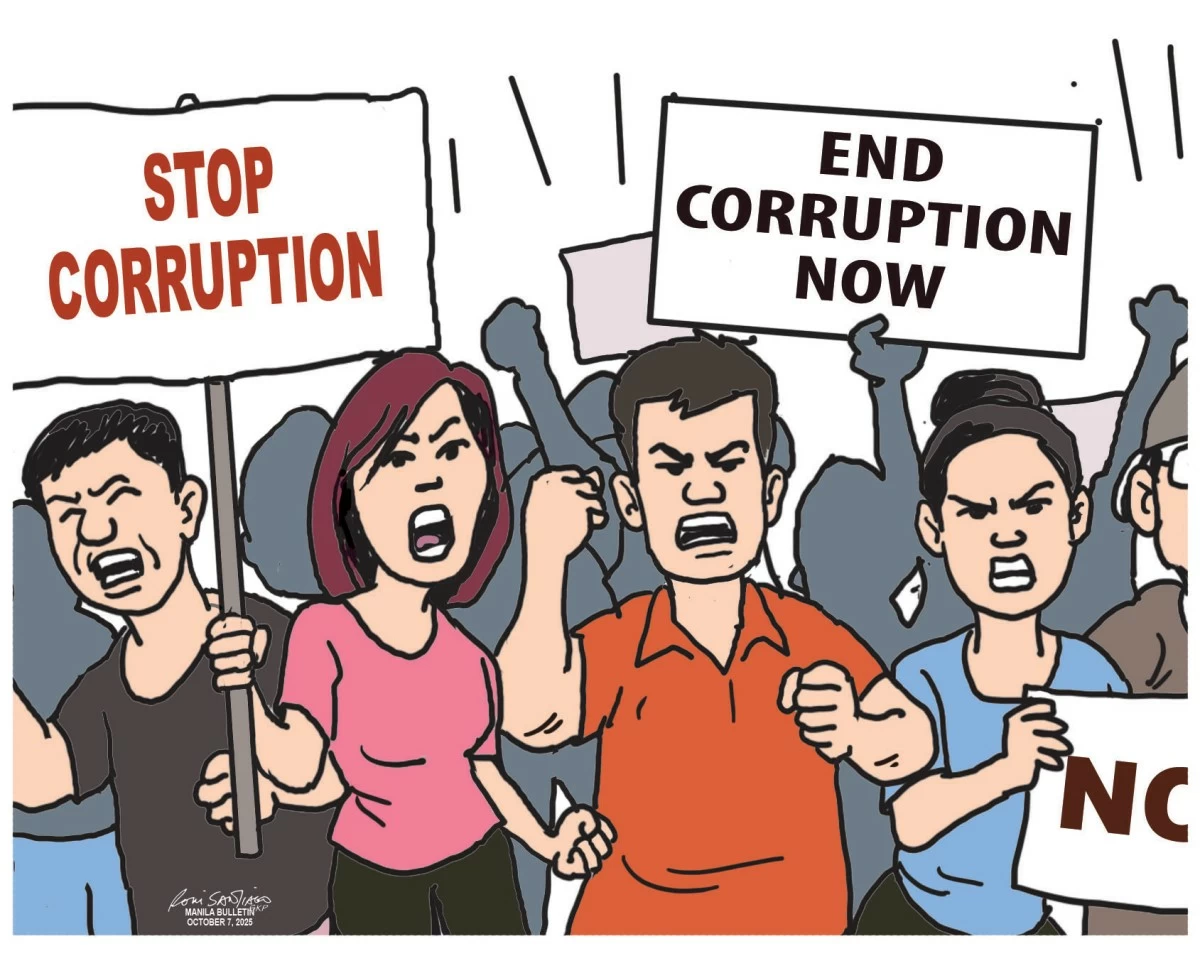
The rising tide of youth indignation and civil society activism in response to recent corruption scandals marks a turning point in the nation’s quest for higher ethical standards among those entrusted with governance. What began as public disgust over exposés of bribery and plunder in the legislative halls has grown into a broader awakening. There is now a collective realization that corruption is not just a crime against the state, but a betrayal of every Filipino striving for dignity and progress.
Across campuses and social platforms, young Filipinos are voicing outrage over how billions meant for social services, infrastructure, and disaster relief were siphoned off through networks of political patronage. This emergent generation, long derided as apathetic or distracted, is proving that civic virtue is not extinct. Their message is clear: the old excuse that “everyone does it” no longer washes. They demand transparency, accountability, and reform, not later but now.
Civil society groups that have customarily sounded calls for good governance have risen to the occasion anew. Church leaders, business chambers, professional associations, and advocacy coalitions are urging the creation of independent investigative panels, full public disclosure of audit findings, and protection for those offering credible testimony on wrongdoing.
Their reengagement is both timely and necessary. The institutions of oversight — namely, the Ombudsman, the Commission on Audit, and the Civil Service Commission — need the reinforcement of a vigilant citizenry to hold the political class accountable.
History offers proof that civic awakening is the first step toward national renewal. The anti-pork barrel movement a decade ago demonstrated that sustained citizen action could change the course of governance. Today’s challenge is to transform moral outrage into a durable reform movement that strengthens the guardrails of democracy. The youth, with their energy and digital fluency, can lead this movement, provided their activism is anchored on facts, ethics, and purpose.
For too long, corruption has been treated as a cultural inevitability, something to lament but not to confront. The current wave of investigations, both in the Senate and the House, has stripped away that complacency. When lawmakers expose anomalies in public projects, they must realize that the same standards apply to them. Accountability cannot be selective. It must begin where power resides.
What distinguishes the present moment is that young Filipinos are not content with symbolism or empty rhetoric. They are connecting the dots between corruption and everyday suffering. Flooded streets, crumbling classrooms, and inaccessible health care are telltale offshoots of rampant corruption. They discern that moral decay at the top breeds inequality below. Their activism, if sustained, could rekindle the civic energy that built People Power and restored democracy four decades ago.
The government must recognize this awakening not as a threat, but as an opportunity. Engaging the youth and civil society as partners in governance can restore public trust and legitimacy. Transparency portals, participatory budgeting, and citizen audits should no longer be regarded as optional reform measures but urgent imperatives.
What the nation demands is the courage to expose wrongdoing even when it implicates the powerful, and to end the culture of impunity that mocks the rule of law. The public must no longer tolerate token investigations or “sacrificial lambs.” Corruption is not destiny. Integrity is a choice. If our leaders truly wish to regain moral authority, they must prove it not in words, but through the relentless pursuit of justice and reform.
ADVERTISEMENT
.most-popular .layout-ratio{ padding-bottom: 79.13%; } @media (min-width: 768px) and (max-width: 1024px) { .widget-title { font-size: 15px !important; } }

{{ articles_filter_1561_widget.title }}

.most-popular .layout-ratio{ padding-bottom: 79.13%; } @media (min-width: 768px) and (max-width: 1024px) { .widget-title { font-size: 15px !important; } }

{{ articles_filter_1562_widget.title }}

.most-popular .layout-ratio{ padding-bottom: 79.13%; } @media (min-width: 768px) and (max-width: 1024px) { .widget-title { font-size: 15px !important; } }

{{ articles_filter_1563_widget.title }}

{{ articles_filter_1564_widget.title }}

.mb-article-details { position: relative; } .mb-article-details .article-body-preview, .mb-article-details .article-body-summary{ font-size: 17px; line-height: 30px; font-family: "Libre Caslon Text", serif; color: #000; } .mb-article-details .article-body-preview iframe , .mb-article-details .article-body-summary iframe{ width: 100%; margin: auto; } .read-more-background { background: linear-gradient(180deg, color(display-p3 1.000 1.000 1.000 / 0) 13.75%, color(display-p3 1.000 1.000 1.000 / 0.8) 30.79%, color(display-p3 1.000 1.000 1.000) 72.5%); position: absolute; height: 200px; width: 100%; bottom: 0; display: flex; justify-content: center; align-items: center; padding: 0; } .read-more-background a{ color: #000; } .read-more-btn { padding: 17px 45px; font-family: Inter; font-weight: 700; font-size: 18px; line-height: 16px; text-align: center; vertical-align: middle; border: 1px solid black; background-color: white; } .hidden { display: none; }
function initializeAllSwipers() { // Get all hidden inputs with cms_article_id document.querySelectorAll('[id^="cms_article_id_"]').forEach(function (input) { const cmsArticleId = input.value; const articleSelector = '#article-' + cmsArticleId + ' .body_images'; const swiperElement = document.querySelector(articleSelector); if (swiperElement && !swiperElement.classList.contains('swiper-initialized')) { new Swiper(articleSelector, { loop: true, pagination: false, navigation: { nextEl: '#article-' + cmsArticleId + ' .swiper-button-next', prevEl: '#article-' + cmsArticleId + ' .swiper-button-prev', }, }); } }); } setTimeout(initializeAllSwipers, 3000); const intersectionObserver = new IntersectionObserver( (entries) => { entries.forEach((entry) => { if (entry.isIntersecting) { const newUrl = entry.target.getAttribute("data-url"); if (newUrl) { history.pushState(null, null, newUrl); let article = entry.target; // Extract metadata const author = article.querySelector('.author-section').textContent.replace('By', '').trim(); const section = article.querySelector('.section-info ').textContent.replace(' ', ' '); const title = article.querySelector('.article-title h1').textContent; // Parse URL for Chartbeat path format const parsedUrl = new URL(newUrl, window.location.origin); const cleanUrl = parsedUrl.host + parsedUrl.pathname; // Update Chartbeat configuration if (typeof window._sf_async_config !== 'undefined') { window._sf_async_config.path = cleanUrl; window._sf_async_config.sections = section; window._sf_async_config.authors = author; } // Track virtual page view with Chartbeat if (typeof pSUPERFLY !== 'undefined' && typeof pSUPERFLY.virtualPage === 'function') { try { pSUPERFLY.virtualPage({ path: cleanUrl, title: title, sections: section, authors: author }); } catch (error) { console.error('ping error', error); } } // Optional: Update document title if (title && title !== document.title) { document.title = title; } } } }); }, { threshold: 0.1 } ); function showArticleBody(button) { const article = button.closest("article"); const summary = article.querySelector(".article-body-summary"); const body = article.querySelector(".article-body-preview"); const readMoreSection = article.querySelector(".read-more-background"); // Hide summary and read-more section summary.style.display = "none"; readMoreSection.style.display = "none"; // Show the full article body body.classList.remove("hidden"); } document.addEventListener("DOMContentLoaded", () => { let loadCount = 0; // Track how many times articles are loaded const offset = [1, 2, 3, 4, 5, 6, 7, 8, 9, 10]; // Offset values const currentUrl = window.location.pathname.substring(1); let isLoading = false; // Prevent multiple calls if (!currentUrl) { console.log("Current URL is invalid."); return; } const sentinel = document.getElementById("load-more-sentinel"); if (!sentinel) { console.log("Sentinel element not found."); return; } function isSentinelVisible() { const rect = sentinel.getBoundingClientRect(); return ( rect.top < window.innerHeight && rect.bottom >= 0 ); } function onScroll() { if (isLoading) return; if (isSentinelVisible()) { if (loadCount >= offset.length) { console.log("Maximum load attempts reached."); window.removeEventListener("scroll", onScroll); return; } isLoading = true; const currentOffset = offset[loadCount]; window.loadMoreItems().then(() => { let article = document.querySelector('#widget_1690 > div:nth-last-of-type(2) article'); intersectionObserver.observe(article) loadCount++; }).catch(error => { console.error("Error loading more items:", error); }).finally(() => { isLoading = false; }); } } window.addEventListener("scroll", onScroll); });

Sign up by email to receive news.