






Manila Bulletin
 Philippines
National
Lagdameo proposes water management plan in lieu of flood control projects
Philippines
National
Lagdameo proposes water management plan in lieu of flood control projects
Philippines
National
Lagdameo proposes water management plan in lieu of flood control projects
Lagdameo proposes water management plan in lieu of flood control projects
Published Oct 7, 2025 12:04 pm


At A Glance
- The removal of flood control project funds in the proposed 2026 national budget is pushing solons to find other ways to protect their constituents from the threat of floods.
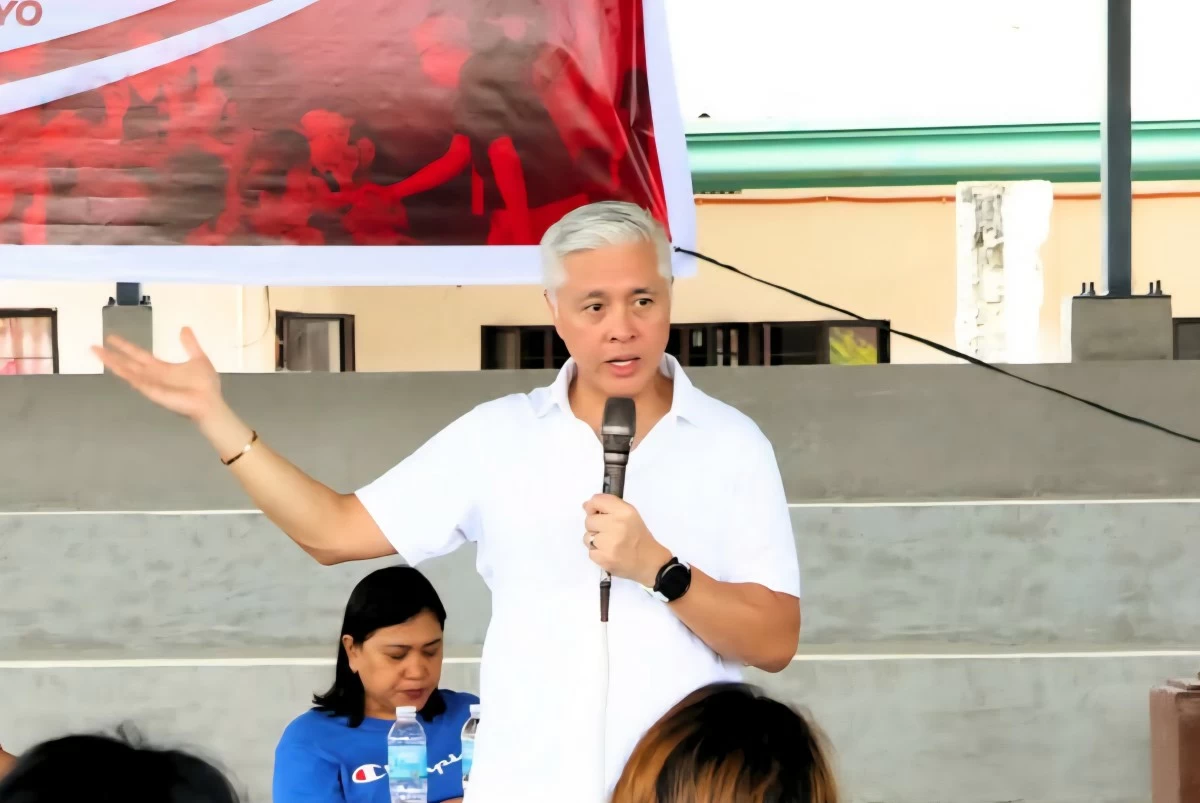
Davao del Norte 2nd district Rep. Jose Manuel “JM” Lagdameo (Facebook)
The removal of flood control project funds in the proposed 2026 national budget is pushing solons to find other ways to protect their constituents from the threat of floods.
In the case of Davao del Norte 2nd district Rep. Jose Manuel “JM” Lagdameo, he called for an integrated water management plan for the province, something that he pitched to the capitol.
Lagdameo proposed the conceptualization of the plan to Davao del Norte Governor Edwin Jubahib in a letter sent last week over concerns that the province--which serves as the basin for water coming from five neighboring provinces--would lose essential infrastructure to protect its people from floods and water to irrigate its extensive farms and plantations during times of drought.
“The plan will serve as a long-term, science-based framework that would identify needed flood control projects, establish measures to capture and store floodwaters for irrigation, introduce systems for balanced water distribution, and provide a coordinated approach that will integrate infrastructure, watershed rehabilitation, reforestation, and community participation,” Lagdameo said in a statement Tuesday, Oct. 7.
The neophyte lawmaker's proposal is all-encompassing and mindful of the situation in his region.
He envisioned the inclusion of Davao del Norte 1st district Rep. De Carlo Uy, Governor Jubahib and the provincial government, mayors of the province’s cities and municipalities, representatives from national government agencies such as the Department of Public Works and Highways (DPWH), Department of Agriculture (DA), and National Irrigation Authority (NIA), along with local stakeholders in the formulation of the plan.
“This is not just a defense against disasters — it’s a roadmap to resilience. By managing water wisely, we can protect lives, support farmers, and strengthen food security for the whole province,” Lagdameo said.
Flood control projects are the subject of much controversy over corruption, and Lagdameo hopes that an integrated plan would show that projects in the province are not simply ways for people in power to make money for themselves at the public’s expense.
“By adopting such a plan, the province can present a clear and compelling case for renewed national investment in flood control and water resource projects. Moreover, it will demonstrate proactive leadership in transforming a recurring hazard into an opportunity for sustainable development and agricultural resilience,” said Lagdameo in his letter.