






Manila Bulletin
 Philippines
National
Experts sound alarm on RSV threat to infants, elderly; urge stronger prevention in Philippines
Philippines
National
Experts sound alarm on RSV threat to infants, elderly; urge stronger prevention in Philippines
Philippines
National
Experts sound alarm on RSV threat to infants, elderly; urge stronger prevention in Philippines
Experts sound alarm on RSV threat to infants, elderly; urge stronger prevention in Philippines
By Jel Santos
Published Oct 7, 2025 03:22 pm


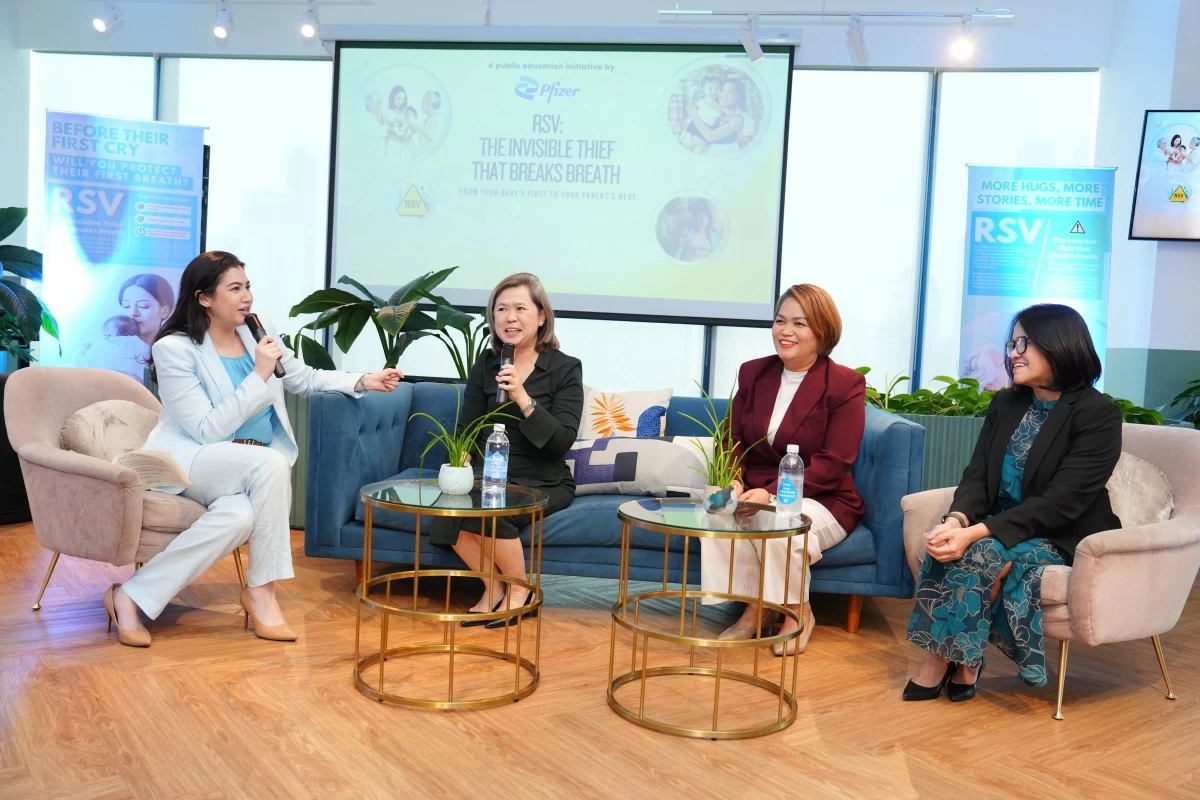
(CONTRIBUTED PHOTO)
Health experts have raised the alarm over the increasing threat of respiratory syncytial virus (RSV), a highly contagious but often overlooked respiratory illness that severely affects infants and older adults, urging stronger awareness and preventive action in the Philippines.
According to the World Health Organization (WHO), RSV remains a leading cause of acute lower respiratory infections among young children and continues to place a heavy disease burden on elderly populations.
In a forum titled “RSV: The Invisible Thief that Breaks Breath” held in Makati City, medical specialists emphasized that RSV remains the leading cause of respiratory illness in young children and a growing threat to adults aged 60 and above, especially those with chronic conditions.
“RSV is a menace that continues to evolve, that’s why it is crucial for everyone to keep ourselves aware and informed. Pregnant women need to know that they can now protect their babies before they are even born through maternal immunization,” Dr. Analyn Fallarme, the vice president of the Philippine Infectious Diseases Society for Obstetrics and Gynecology (PIDSOG), said.
Deborah Seifert, Pfizer’s MISP (Multi-Country Industrial Sub-Cluster) cluster lead, said the awareness initiative aims to provide the public with more information about RSV, describing it as a serious threat that robs patients of their ability to breathe.
She emphasized that the disease is preventable and that no life should be lost to RSV, noting that recovery often requires more than just rest.
“The good news is that it is preventable, so no life should be lost because of RSV. Breathing normally again requires more than just rest, especially when RSV is involved,” she said in a statement.
WHO estimates that each year, the virus results in over 3.6 million hospitalizations and about 100,000 deaths in children under five years old, most of which occur in low- and middle-income countries with limited health services.
It added that there are currently immunization options to prevent RSV infection: two targeting infants through a monoclonal antibody and maternal vaccination, and three aimed at protecting older adults with chronic cardiac or pulmonary illnesses.
The forum, organized by Pfizer, featured experts including Dr. Faith Villanueva, the chair of the Philippine Society of Microbiology and Infectious Diseases (PSMID) Vaccination Committee, and Dr. Anna Lisa Ong-Lim, a professor of Infectious and Tropical Disease in Pediatrics at the UP-PGH College of Medicine.