






Manila Bulletin
 Business
The Economy
BSP sees 2025 inflation below 2%, but flags growth risks from US protectionist policies
Business
The Economy
BSP sees 2025 inflation below 2%, but flags growth risks from US protectionist policies
Business
The Economy
BSP sees 2025 inflation below 2%, but flags growth risks from US protectionist policies
BSP sees 2025 inflation below 2%, but flags growth risks from US protectionist policies
By Derco Rosal
Published Oct 7, 2025 01:39 pm


At A Glance
- Despite the continued spike in consumer prices for the second straight month, the Bangko Sentral ng Pilipinas (BSP) projected average inflation to fall below two percent in 2025, but warned that the United States' (US) protectionist policies could hurt the local economy.
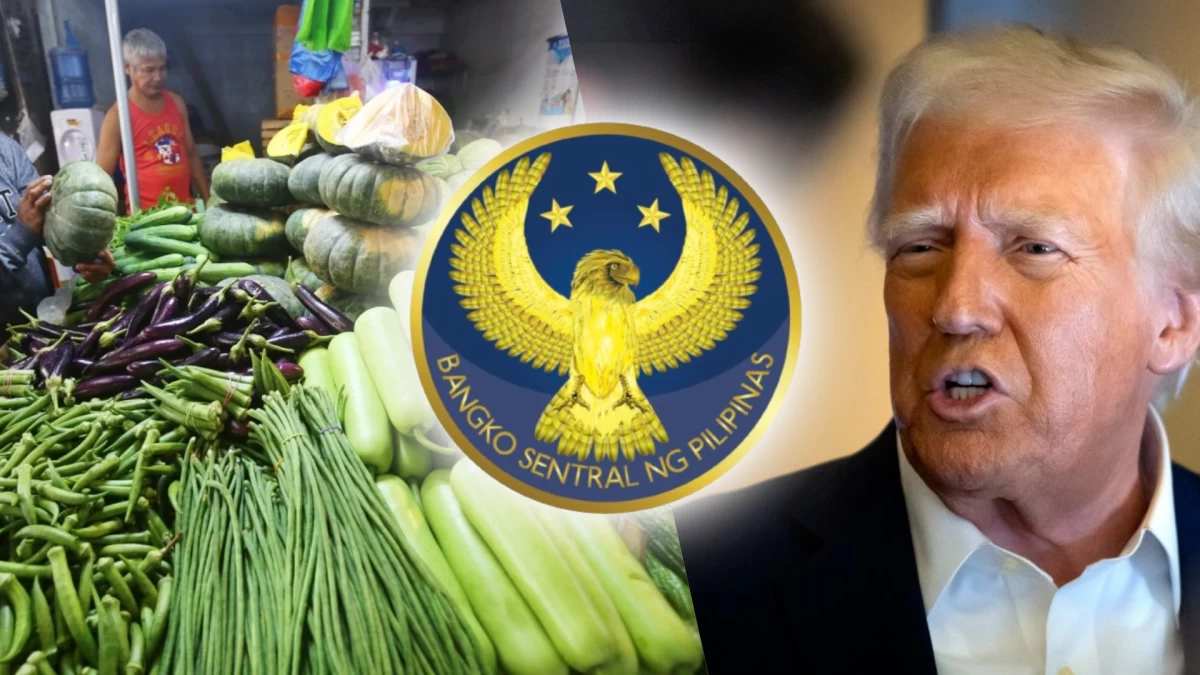
Despite the continued spike in consumer prices for the second straight month in September, the Bangko Sentral ng Pilipinas (BSP) expects average inflation to fall below two percent in 2025 but warned that the United States’ (US) protectionist policies could hurt the local economy.
“Inflation is projected to average below the low end of the target range in 2025, primarily due to the easing of rice prices in previous months,” the BSP said in a statement released on Tuesday, Oct. 7.
Inflation accelerated to 1.7 percent last month from 1.5 percent in August. This makes September’s inflation the highest in six months, or since March’s 1.8-percent rate.
Higher inflation during the month was driven by transport and food costs, according to the Philippine Statistics Authority (PSA). September inflation remained within the central bank’s forecast range of 1.5 to 2.3 percent.
Previously seen as a potential driver of faster inflation, the BSP noted that rice prices have trended downward “due to adequate supply, lower international rice prices, and government measures to stabilize prices.”
For the first nine months, headline inflation averaged 1.7 percent, staying below the government’s target band of two to four percent.
“Looking ahead, a potential month-on-month increase in rice prices following the suspension of rice imports, along with the impact of adverse weather, could add some upward push to inflation,” Chinabank Research said in a commentary published on Tuesday.
“While overall price growth is still expected to remain low for the rest of the year, increased upside risks to the inflation outlook could prompt the BSP to adopt a more cautious stance and keep interest rates on hold at Thursday’s policy meeting,” Chinabank Research added.
On the growth front, the BSP said “domestic demand has remained firm,” as observed by the policy-setting Monetary Board (MB).
“However, the impact of US policies on global trade and investment continues to weigh on global economic activity. This could temper the outlook for the Philippine economy,” the BSP said.
Moving forward, the BSP reiterated its commitment “to maintaining price stability that supports long-run sustainable economic growth and employment.” Growth during the first half of the year averaged 5.4 percent, below the government’s 5.5 to 6.5 percent goal.
To recall, the country’s jobless rate climbed to 5.3 percent in July from 4.7 percent a year earlier, as a string of typhoons disrupted key sectors and displaced workers. Employment data for August is scheduled for release on Wednesday, Oct. 8.