







Building resilience where it matters
Published Oct 6, 2025 12:05 am
|
Updated Oct 5, 2025 03:27 pm


FROM THE MARGINS
The recent news that the Philippines once again topped the World Risk Index as the world’s most disaster-prone country comes as no surprise to those of us working closely with vulnerable communities. Yet even familiarity does not dull the shock of seeing it confirmed: disaster risk is not abstract, but a daily reality for millions of Filipinos already struggling with poverty and exclusion.
As a decades-long advocate of poverty eradication, I see in that ranking not just a statistic but a warning. It exposes how structural neglect and resource gaps combine with extreme climate events — turning storms into catastrophes for the poor. It underscores the need to shift from reactive relief (ayuda) to anticipatory, inclusive systems built from the ground up.
Landscape of risk
Apart from an average of 20 typhoons that visit the country each year, Filipinos face floods, volcanic eruptions, landslides, earthquakes, and storm surges. But geography alone does not explain our high risk. What drives it is vulnerability: the conditions in which people live, their capacity to absorb shocks, and their ability to adapt.
The World Risk Index 2025 cites fragmented geography, crowded coastlines, and limited adaptive capacity. Beyond physical hazards, disasters exacerbate inequality: the poorest are the most vulnerable, and those with few resources lose homes, livelihoods, and recovery support -- often permanently. It is a stark reminder that adaptation can no longer be delayed: we need strong flood control and early warning systems as much as we need to address weak health services and social inequality.
How microfinance responds
For vulnerable communities like coastal barangays and informal settlements, even modest shocks like heavy rains and flash floods cascade into disasters. Houses get demolished, crops destroyed, and livelihoods interrupted. Financial exclusion deepens the crisis: many in disaster-prone zones are unbanked, with no access to insurance, flexible credit or formal savings. Microfinance institutions (MFIs) bridge the gap by giving poor families access to financial services, microinsurance, and non-financial support — offering safer coping mechanisms than pawning belongings, borrowing from usurers, or selling assets.
In times of calamity, our microfinance network mobilizes quickly. Branches assess damages and distribute food packs with clean water and medicines. Loan moratoriums are extended to allow clients breathing space, while their families receive stress debriefing and other psychosocial support. These interventions ease the immediate burden and help clients endure the chaotic aftermath of disaster.
But research confirms that relief alone is not enough. A 2023 master’s thesis by Melany Grecia-Viajante, “Crafting an Integrated CARD MRI Disaster Response Program,” submitted to the Southeast Asia Interdisciplinary Development Institute, gathered insights from focus group discussions with microfinance clients and staff. The study found that beyond immediate aid, communities want seeds to restore food security, calamity loans with flexible terms, livelihood training linked to marketing and business support, renewed housing loans, and more inclusive and affordable insurance for crops and small enterprises. These findings echo our observations on the ground: while microfinance provides a lifeline, recovery requires longer-term, need-specific interventions that enable households to rebuild sustainably.
Building resilient communities
The Philippines has a comprehensive National Disaster Risk Reduction and Management Plan (NDRRMP) that outlines a clear vision for resilient communities. Yet gaps remain. Local government units still struggle with limited capacity, and partnerships with civil society, the private sector, and communities are not maximized. These shortcomings weaken the very systems meant to protect the most vulnerable.
The recent public outcry over alleged corruption in flood control projects underscores the urgency of reform. One hopes that these scandals will lead to more transparent and efficient infrastructure investments. Still, resilience cannot be built by infrastructure alone. I believe we need to focus on where disasters strike hardest — at the household and community level. I hope to continue working with my colleagues in the microfinance industry and other partners to strengthen communities’ ability to prepare for and adapt to climate emergencies.
MFIs are well-positioned to help build climate-resilient communities by leveraging our close relationships with vulnerable households and focusing on the following areas:
• Climate-resilient loans – financing for sustainable agriculture, renewable energy solutions, and green microenterprises.
• Microinsurance products – crop, health, and asset insurance to protect families and livelihoods from shocks.
• Savings and safety nets – emergency savings schemes for climate adaptation.
• Capacity building – training on climate risk awareness, financial literacy, and livelihood diversification.
• Community-based disaster preparedness – strengthening centers and capacitating staff to disseminate early warnings and ensure that MFIs remain operational in the aftermath of disasters.
• Green enterprise support – financing eco-friendly MSMEs and promoting women-led sustainable businesses.
• Data and digital innovations – using digital finance and data-sharing platforms to strengthen resilience.
By combining these interventions with strong partnerships with the private sector, government and local communities, MFIs can serve as critical bridges that help vulnerable families adapt, recover, and ultimately thrive in the face of climate change.
* * *
“We have to make preparedness a way of life, and not just when there is disaster.”— Gwendolyn Pang
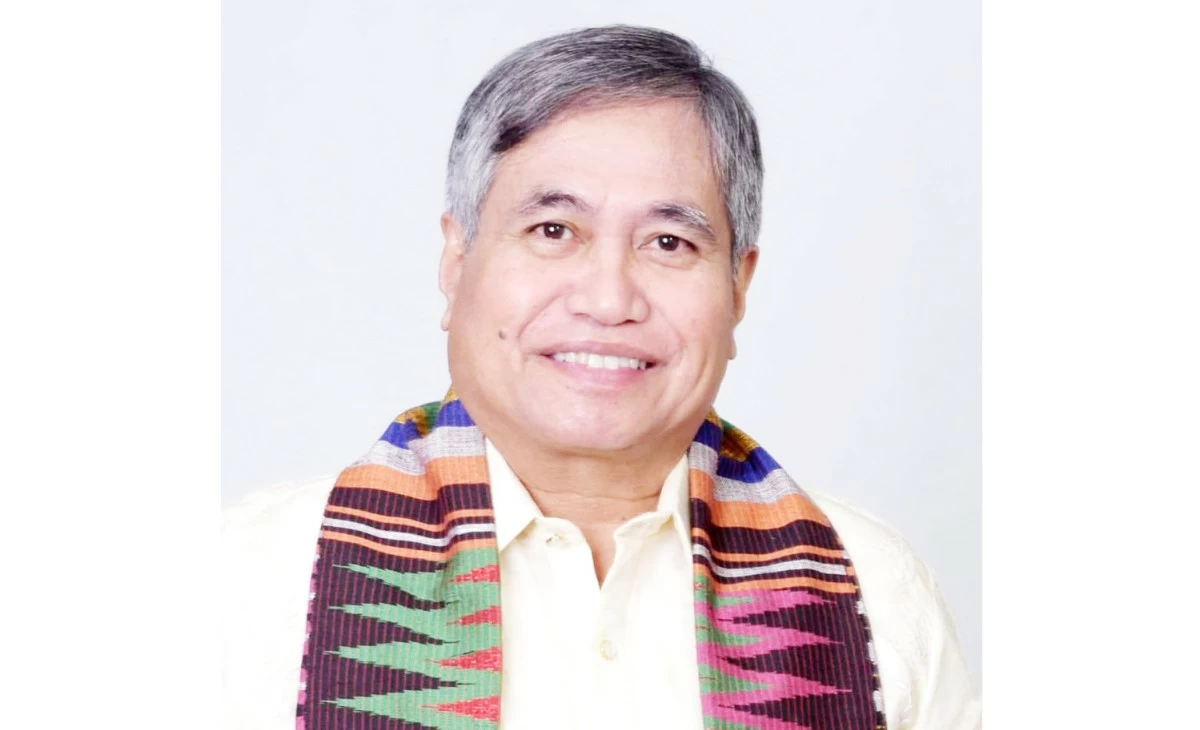
(Dr. Jaime Aristotle B. Alip is a poverty eradication advocate. He is the founder of the Center for Agriculture and Rural Development Mutually-Reinforcing Institutions (CARD MRI), a group of 23 organizations that provide social development services to eight million economically-disadvantaged Filipinos and insure more than 27 million nationwide.)