






The New Zealand government announced a new NZ$5.2million (approximately P174,951,560) grant to the Global Community Engagement and Resilience Fund (GCERF), which will support an additional five-year program in the Philippines.
Manila Bulletin
 Philippines
National
PH to get P175-M fund from New Zealand in fight vs violent extremism
Philippines
National
PH to get P175-M fund from New Zealand in fight vs violent extremism
Philippines
National
PH to get P175-M fund from New Zealand in fight vs violent extremism
PH to get P175-M fund from New Zealand in fight vs violent extremism
Published Oct 5, 2025 11:28 am


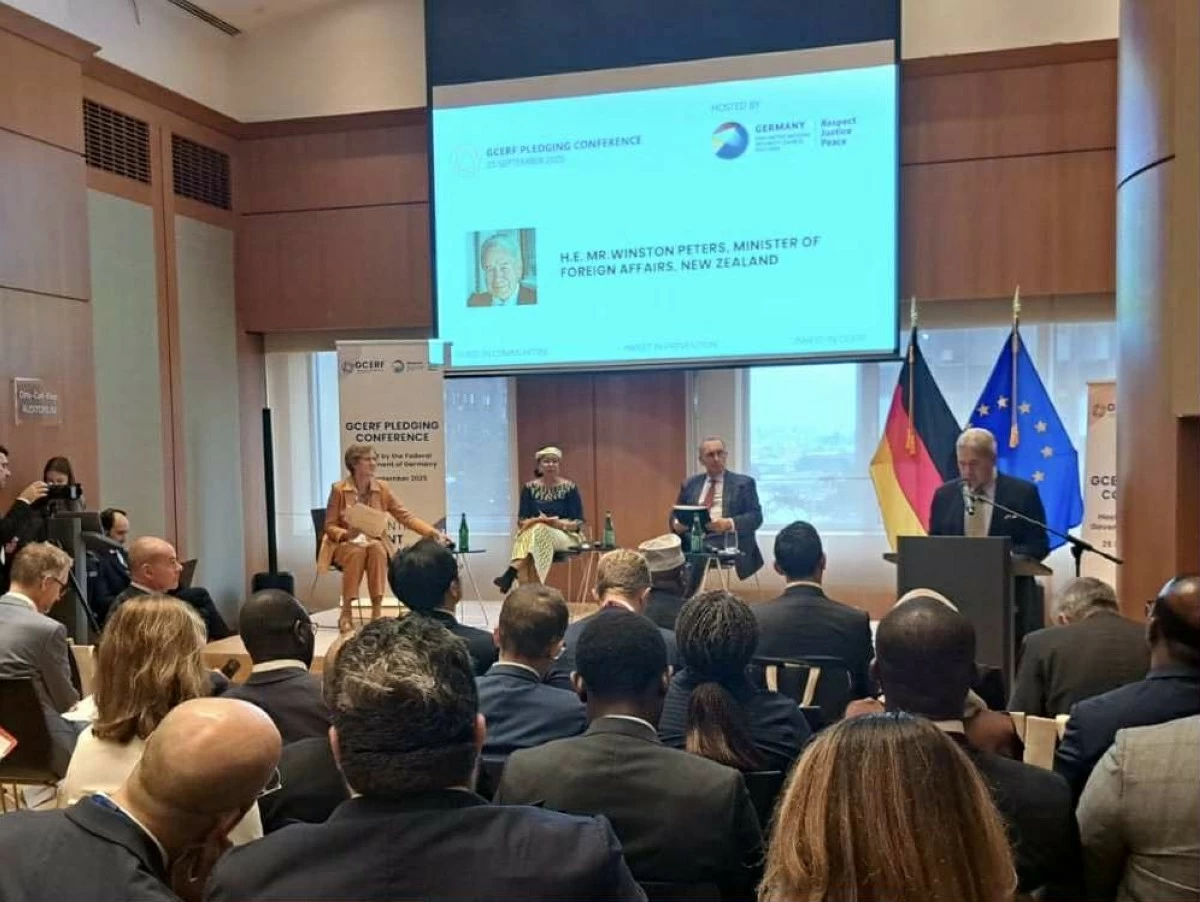
New Zealand Minister of Foreign Affairs Winston Peters speaks at the Global Community Engagement and Resilience Fund Pledging Conference. (Photo from GCERF via X post)
This announcement was made by Minister of Foreign Affairs Winston Peters during the recent GCERF Replenishment Campaign Event in New York.
The latest funding now brings the total value of New Zealand’s support for the GCERF’s work in the Philippines to NZ$8.2 million (approximately P276.71 million).
New Zealand Ambassador to the Philippines Dr. Catherine McIntosh underscored in her remarks during a High-Level Peacebuilding Dialogue the importance of a multi-stakeholder approach to preventing violent extremism in the Philippines.
“Since 2020, New Zealand has been collaborating with GCERF on community-led initiatives aimed at supporting the peace process in Mindanao. In March, I had the privilege of visiting our GCERF partners in South Central Mindanao,” she said.
“We hope that the investment made by the New Zealand people—through GCERF—continues to uplift and inspire, as we jointly strive toward peace-building. We remain steadfast in our commitment to strengthen collective resilience against violent extremism,” she added.
Office of the Presidential Adviser on Peace, Reconciliation and Unity (OPAPRU) Undersecretary Isidro Purisima also emphasized how partnerships help in peace-building.
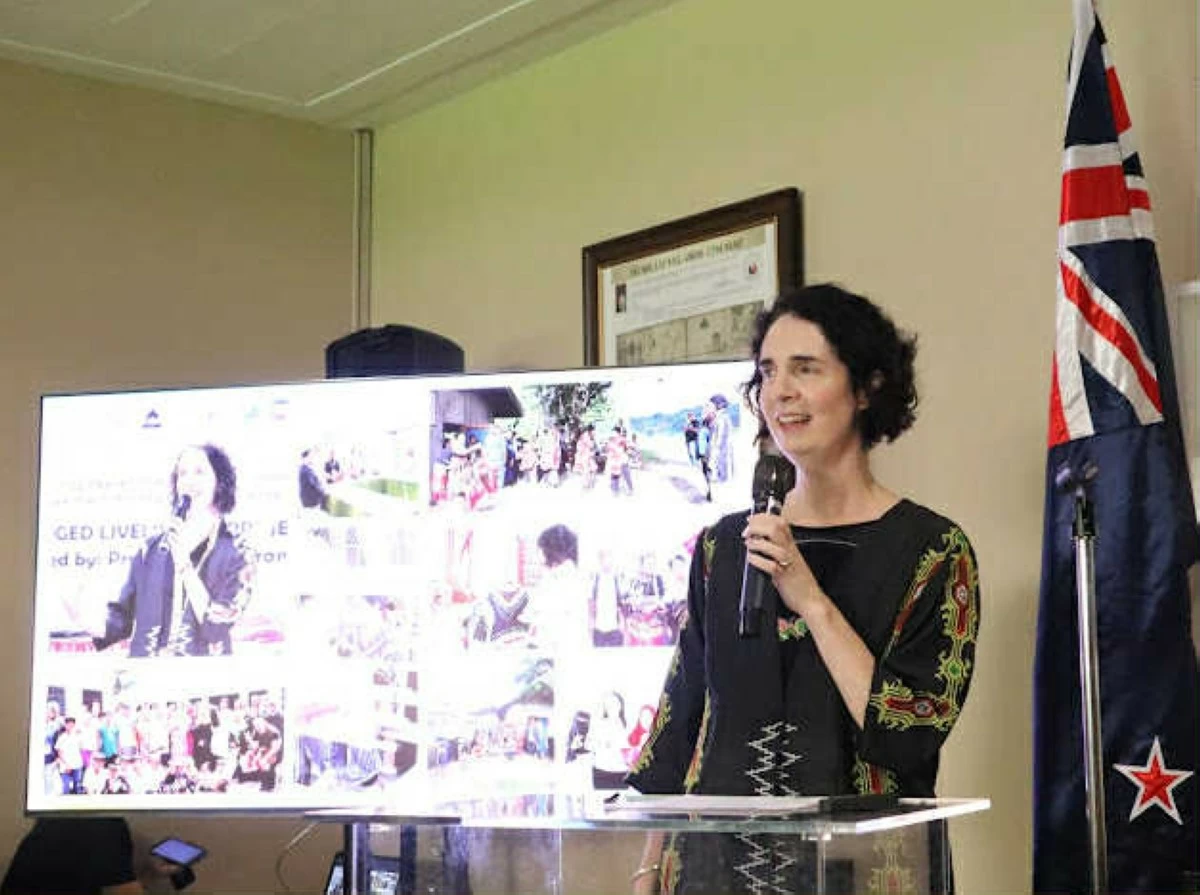
New Zealand Ambassador to the Philippines Catherine McIntosh leads the High-Level Dialogue on Preventing and Countering Violent Extremism at her official residence in Makati City on Sept. 4, 2025. This event was co-hosted by GCERF and the New Zealand Embassy. (Photo from New Zealand Embassy-Manila)
“The success of the peace process depends on partnerships. GCERF helps bring these partnerships together—linking international support with national and local efforts to ensure peace is sustained, especially in the communities,” he said.
Guiamel Alim, who is a seasoned peacebuilder from the Consortium of Bangsamoro Civil Society (CBCS), pointed out how international development partners made critical contributions to the peace and development in Bangsamoro Autonomous Region in Muslim Mindanao (BARMM).
“It is worth noting that the role of international development partners and the diplomatic communities are crucial in bringing peace and development in the BARMM,” he said.
“There is a need to support programs addressing community-based needs similar to those being implemented by the partners of GCERF in the BARMM—such as those related to preventing violent extremism, promoting community-based socio economic programs, and strengthening local governance capacity in development planning, among others,” he added.
Donor countries like New Zealand and Australia are able to fund civil society organizations like CBCS, ECOWEB, IDEALS, Initiatives for International Dialogue, the Mahintana Foundation, Teach Peace Build Peace, and the Philippine Center for Islam and Democracy through the GCERF.
The contribution from New Zealand aims to support community-based rehabilitation for both those returning from, and the victims of, violent extremist groups and their families.
Areas of support will include access to mental health support services, access to economic opportunities for people from vulnerable or marginalized communities, and enhanced access to credible and transparent transitional justice mechanisms.