






Manila Bulletin
 Philippines
National
Sprouting collaboration: Pagsibol 2025 redefines farming beyond fields
Philippines
National
Sprouting collaboration: Pagsibol 2025 redefines farming beyond fields
Philippines
National
Sprouting collaboration: Pagsibol 2025 redefines farming beyond fields
Sprouting collaboration: Pagsibol 2025 redefines farming beyond fields
By Pam Pascual
Published Oct 3, 2025 12:46 pm


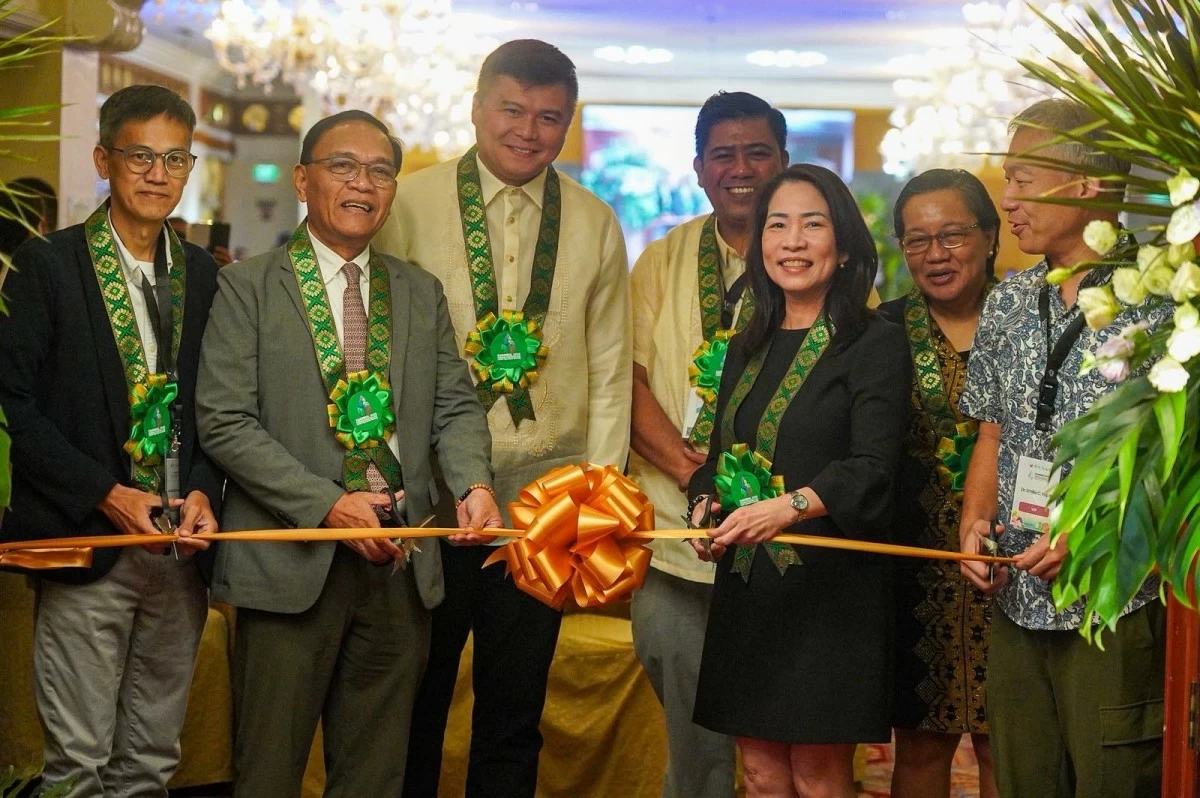
The ribbon-cutting ceremony of the Pagsibol 2025 Philippine Horticulture and Urban Agriculture Summit at the Manila Prince Hotel on September 30. Joining the event were Bukid Amara owner Michael Caballes; Undersecretary for Operations and Agri-Fisheries Mechanization and Undersecretary for Rural Credit Roger Navarro; Bureau of Plant Industry Director Gerald Glenn F. Panganiban; Assistant Director U-Nichols A. Gesmundo; Assistant Secretary Kristine Y. Evangelista Panlilio; Assistant Director Joan A. Arceo; and Manila Bulletin President Emilio C Yap III. (John Louie Abrina)
As ornamental horticulture thrives across the Philippines and urban agriculture continues to turn idle spaces into sources of food and greenery, the country’s agriculture community came together for the second edition of Pagsibol: Philippine Horticulture and Urban Agriculture Summit, held at the Manila Prince Hotel Grand Ballroom from September 30 to October 2, 2025.
This year’s Pagsibol, which fittingly means “to sprout” or “to grow,” centered on the theme of sustainability, innovation, and resilience. At the opening ceremony, Bureau of Plant Industry (BPI) Director Gerald Glenn F. Panganiban welcomed participants with a strong message of collaboration.
“This year's Pagsibol emphasizes our commitment to accelerating the growth of the horticulture and urban agriculture sectors while promoting greater inclusion of women and youth…We also support persons with disabilities, people deprived of liberty, and other marginalized groups in our country. These sectors are essential pillars of food security, climate resilience, and inclusive national development,” Panganiban said.
Behind the success of the event was the joint effort of key bureaus and programs of the Department of Agriculture—including the Agricultural Training Institute (ATI), Bureau of Plant Industry (BPI), Philippine Council for Agriculture and Fisheries (PCAF), and the National Urban and Peri-Urban Agriculture Program (NUPAP)—in partnership with private collaborators such as Manila Bulletin and Bukid Amara.
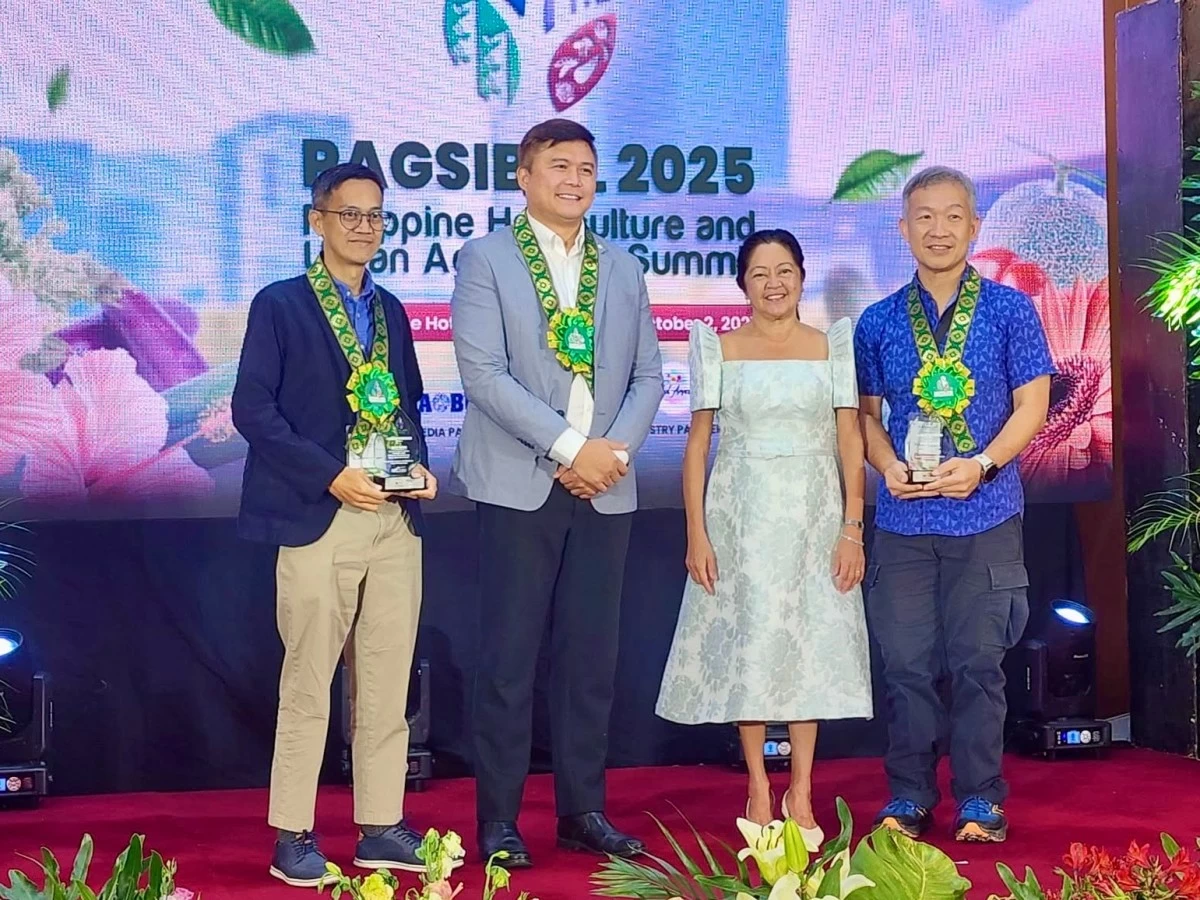
First Lady Liza Araneta-Marcos and Bureau of Plant Industry Director Gerald Glenn F. Panganiban, Ph.D., present awards to Bukid Amara’s Michael Caballes and Manila Bulletin President Emilio C. Yap III for their support of urban agriculture and horticulture during the third day of Pagsibol 2025: Horticulture and Urban Agriculture Summit at the Manila Prince Hotel on Thursday, October 2. (Manila Bulletin)
Renowned speakers from institutions such as the Department of Environment and Natural Resources (DENR), the Institute of Plant Breeding, Kasetsart University’s Department of Horticulture, World Vegetable Center, and the University of Arizona, alongside private sector representatives, delivered knowledge-packed sessions. Topics ranged from policy and regulation of Philippine native trees, to emerging trends in landscaping, sustainable preservation and marketing of horticultural crops, climate-resilient urban agriculture, indoor vertical farming, and strengthening food security.
The summit also gave the stage to Gawad Saka Awardees like Genovivo “Bong” Argomido Cajes of Macatabo Farm and Pablita Cabarles of Manga National High School’s Gulayan sa Paaralan program. With limited space and growing concerns over access to safe, nutritious food in many urban communities, their personal stories offered living proof that urban farming can uplift lives and communities.
“What we discussed went far beyond theory. Together, we imagined cities as living landscapes—vibrant, food-secure, resilient, and environmentally responsible. We highlighted that horticulture is not just about what pleases the eye; it brings livelihood, climate action, and community well-being to the table,” said Bernadette B. De Los Santos, Executive Director of the Philippine Council for Agriculture and Fisheries.
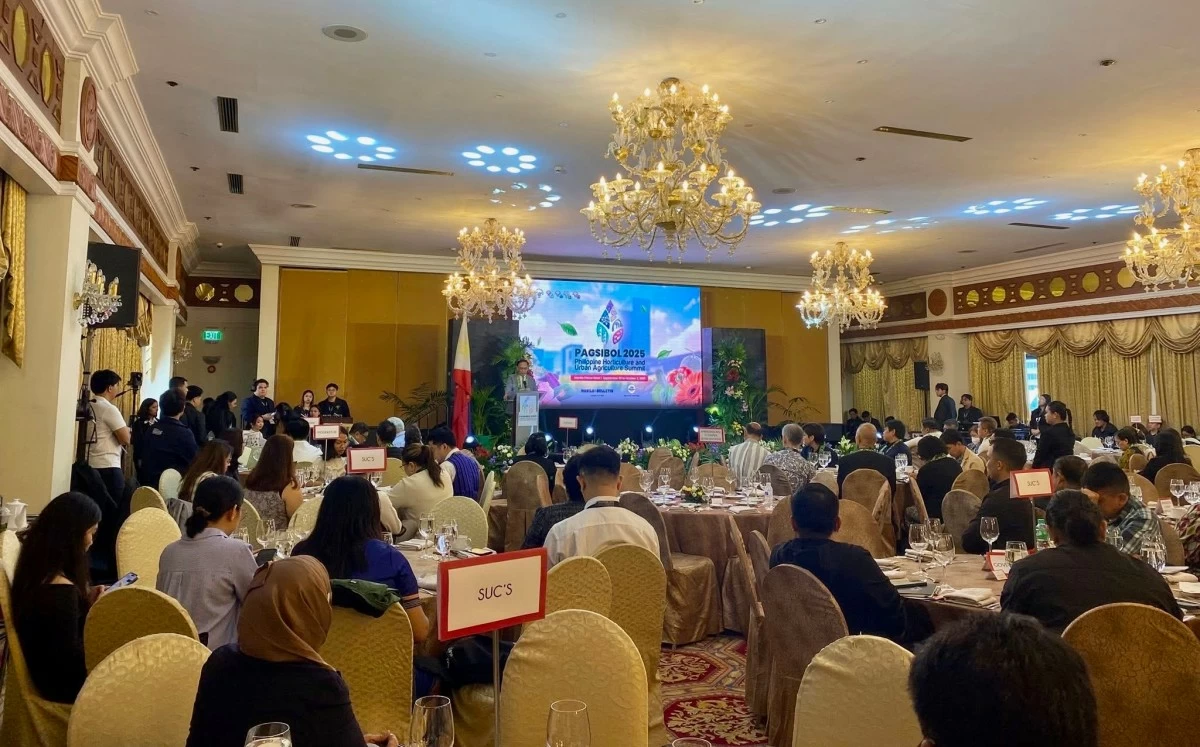
Agricultural experts, farmers, government officials, and stakeholders come together for Pagsibol 2025: Philippine Horticulture and Urban Agriculture Summit, held on September 30, 2025, at the Manila Prince Hotel. (Manila Bulletin)
For Antonieta J. Arceo, Assistant Director of ATI, the event highlighted the vital role of collaboration in strengthening extension services.
“Pagsibol 2025 shows not only where we are, but also where we want to go. We acknowledge the challenges in the sector and the pressing concerns in horticulture. Yet, we hold fast to our mission of making agriculture a profitable investment, a viable and modernized career for young Filipinos, and a sector that delivers food security, lower costs, increased productivity, and dignity for millions,” Arceo said.
Lending prestige to the gathering, First Lady Louise Araneta-Marcos graced the final day of the summit. Alongside Director Panganiban, she presented plaques of recognition to Manila Bulletin President Emilio C. Yap III and Bukid Amara’s Michael Caballes for their invaluable support of horticulture and urban agriculture.
At its core, Pagsibol 2025 underscores that agriculture is not limited to vast rice fields or remote provinces. It also plays a vital role in urban life—enhancing cityscapes and providing food—whether through home gardens, green spaces in shopping malls, or collaborative community projects.