






Manila Bulletin
 Philippines
National
Morocco, EU amend farm deal to confirm preferential tariffs for Southern Provinces
Philippines
National
Morocco, EU amend farm deal to confirm preferential tariffs for Southern Provinces
Philippines
National
Morocco, EU amend farm deal to confirm preferential tariffs for Southern Provinces
Morocco, EU amend farm deal to confirm preferential tariffs for Southern Provinces
Published Oct 3, 2025 04:53 pm


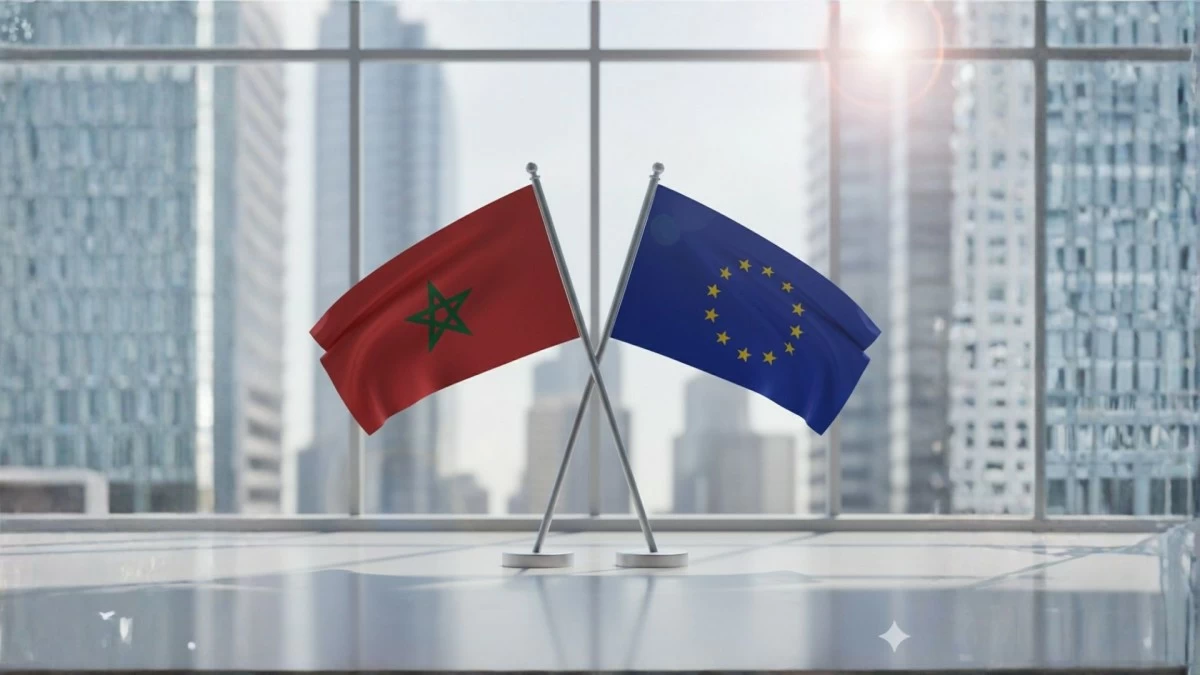
AI/Gemini
Morocco and the European Union have concluded negotiations on amendments to their agricultural agreement, confirming that preferential tariffs under the Association Agreement apply to products from the country’s Southern Provinces.
Foreign Minister Nasser Bourita announced Thursday, Oct. 2, that the updated text will be signed soon in Brussels and provisionally implemented once internal procedures are completed.
“The agreement confirms the application of the preferential tariffs to the Southern Provinces granted by the EU under the Association Agreement with Morocco,” Bourita said, adding that products from the Moroccan Sahara will have the same market access as those from the country’s northern regions.
As part of the revision, agricultural goods from the Sahara will bear clear labels identifying their origin, including “Laayoune-Sakia El Hamra” and “Dakhla-Oued Eddahab.”
Bourita described this as a technical adjustment aimed at improving consumer information while ensuring that the agreement remains faithful to the 2018 exchange of letters that framed Morocco-EU cooperation.
While emphasizing that the deal is sectoral and commercial, Bourita noted that it “sends strong and clear signals.”
He recalled that the EU in 2019 took positive note of Morocco’s “serious and credible efforts” in the Sahara and that several member states have since expressed support for the autonomy plan advanced by King Mohammed VI.
“Thanks to the leadership of His Majesty King Mohammed VI, the Moroccan Sahara has become a zone of development, connectivity, and prosperity,” the minister said.
Global interest in Sahara projects
Bourita highlighted growing international attention to the region’s economic potential, citing recent moves by major powers and institutions.
These include a strong statement from the United States, the upcoming Morocco-France Economic Forum in Dakhla, and support pledged by the UK’s Export Finance agency.
He said the amended agreement would contribute to agricultural GDP, create and retain jobs, and strengthen the Sahara’s role as a bridge linking Europe, Africa, the Mediterranean, and the Atlantic.
Strengthening the EU partnership
Bourita stressed that the revised deal reflects Morocco’s status as a “reliable and credible partner” for the EU, which already conducts over €60 billion in annual trade with the Kingdom across industrial, agricultural, and equipment sectors.
“His Majesty the King has always wished the Morocco-EU Partnership to be implemented through joint and concrete actions,” the minister said, noting that ties go beyond agriculture to areas such as migration, security, digital, environment, and culture.
Looking ahead
In light of regional challenges and structural crises, Bourita said the agreement allows Morocco and the EU to approach their partnership with renewed confidence.
“We are currently in a position to deploy our full existing potential,” he said, pointing to preparations for joint deadlines, the revitalization of frameworks such as the Association Council, and the foundation for a “deeper strategic partnership” in the years ahead.