






Manila Bulletin
 Philippines
National
Group defends telco towers in schools, cites urgent need for digital connectivity
Philippines
National
Group defends telco towers in schools, cites urgent need for digital connectivity
Philippines
National
Group defends telco towers in schools, cites urgent need for digital connectivity
Group defends telco towers in schools, cites urgent need for digital connectivity
CitizenWatch Philippines says telco towers in schools are safe, calls for a science-based understanding to boost internet access
Published Oct 3, 2025 12:46 pm


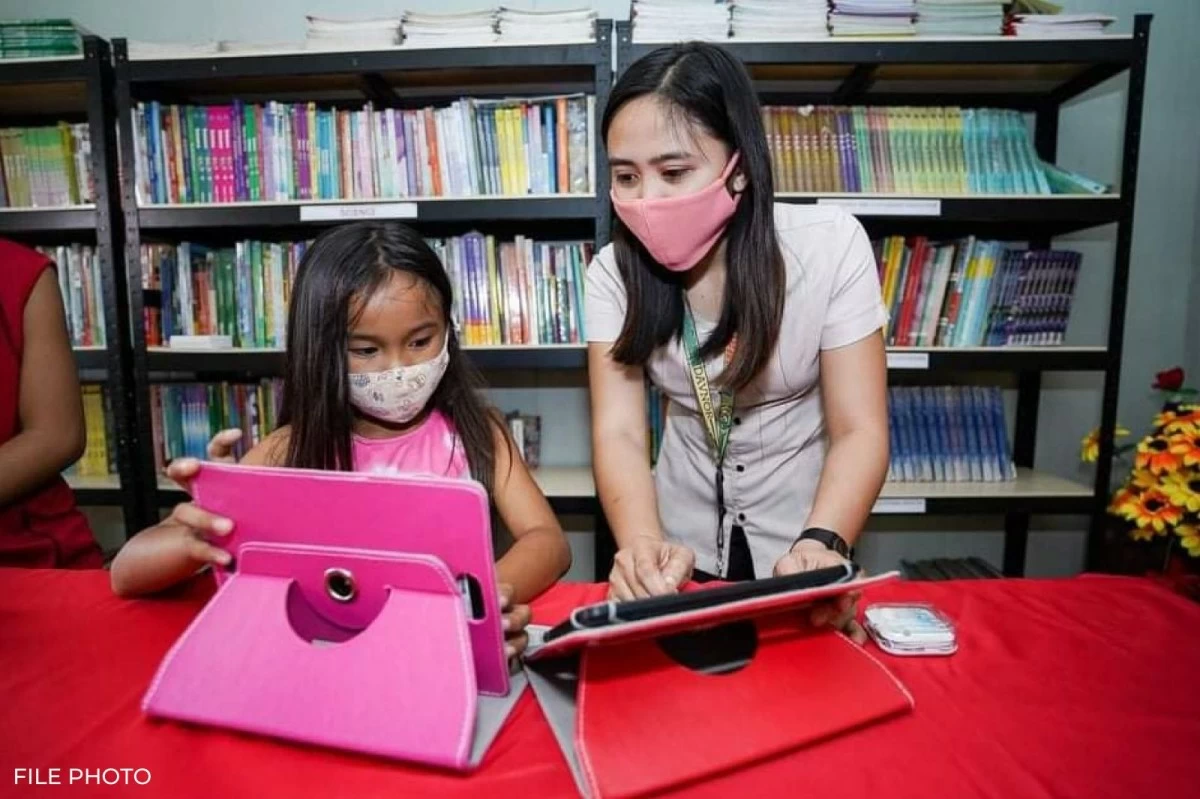
CitizenWatch urges the public to dismiss fears over telco towers in schools, citing global studies proving safety and stressing the need for stronger internet in education. (DepEd file photo)
An advocacy group urged the public on Friday, October 3, to set aside misplaced fears over the installation of telco towers near schools, stressing that scientific research shows no health risks associated with such facilities and highlighting their importance in improving digital access for students and teachers.
CitizenWatch Philippines issued the call in response to concerns from some parents and school communities about radiation exposure from cell towers. “Let’s base our decisions on science, not speculation,” said CitizenWatch Philippines lead convenor Orlando O. Oxales in a statement.
The group said these fears are not supported by science and could delay the much-needed internet infrastructure for underserved areas. “Decades of global research show that the radio signals coming from cell towers—even those near schools—are hundreds to thousands of times below levels that could harm people,” he added.
Global health authorities confirm safety
Oxales cited studies from the World Health Organization (WHO) and the International Commission on Non-Ionizing Radiation Protection (ICNIRP), which have consistently found no confirmed health risks from the low-level radio frequency (RF) emissions of base stations.
Unlike ionizing radiation such as X-rays or ultraviolet rays, RF signals from telco towers are non-ionizing—meaning they cannot damage human cells or DNA, the group said.
Oxales also pointed to a study in Greece where researchers measured RF exposure in more than 200 schools.
Results showed that in 97.5 percent of cases, exposure levels were at least 3,500 times lower than the legal safety limit, he added.
Similar findings have been reported in studies of 5G networks, confirming that exposure remains well within international safety thresholds, the group noted.
Addressing misconceptions on health risks
Oxales acknowledged that many people mistakenly believe all radiation is harmful or that children face higher risks.
However, he emphasized that international safety standards are designed to protect vulnerable groups, including children, and are regularly updated as new technologies emerge.
“Fear is understandable—but let’s not let it block progress,” he said. “By opposing needed telco infrastructure near schools, we may be holding back students from accessing digital tools that can dramatically improve their learning,” he added.
Strong connectivity is vital for education
With the Department of Education (DepEd) pushing for greater technology integration in classrooms, Oxales stressed the urgency of building reliable digital infrastructure.
Strong internet connections are crucial for blended learning, teacher training, and access to modern educational resources, the group stressed.
“We can’t close the learning gap if schools don’t have reliable connectivity,” Oxales said. “It’s not just about speed—it’s about giving every child a fair shot in a digital world,” he added.
Call for fact-based policy
CitizenWatch emphasized that it is urging policymakers and communities to rely on science and support digital infrastructure that brings long-term benefits to the education sector.
CitizenWatch Philippines is a civic advocacy group that champions the rights and welfare of Filipino citizens, especially in the face of powerful interests.