







PH is set to shine at the Frankfurt Book Fair
Frankfurt Book Fair CEO Juergen Boos shares what it means for our country to be the Guest of Honor
By Poch Eulalia
Published Oct 2, 2025 09:36 pm


At A Glance
- The Philippine Guest of Honor team has put together a diverse program of more than 60 literary events and 30 performances in the Guest of Honor Pavilion alone to present Filipino authors in Frankfurt.

PINOY PRIDE A view of the Philippine Guest of Honor pavilion designed by Stanley Ruiz
Filipino literature and culture are expected to make waves at the upcoming Frankfurt Book Fair as the Philippines finds itself as the Guest of Honor for the world’s largest book fair. It is set to take place from Oct. 15 to 19, 2025, at the Messe Frankfurt in Frankfurt, Germany.
Already, there is a slate of programs and performances set to showcase just how far-reaching the country’s influence can be. Unique events to look out for include FlipTop’s Anygma, which will discuss how the battle rap format largely influenced Filipino hip-hop culture and made it a global phenomenon, and discussions about the Filipino comics industry with artists like Manix Abrera, Dione Kong, Budjette Tan, and Jay Ignacio taking the helm.
To give emphasis on how grand the scale of the fair is, last year had over 230,000 attendees from more than 100 countries. In its five days, the fair also operates as a time for publishers and agencies to acquire translation rights. It’s a prime time for authors, illustrators, publishers, creators, and bookworms to connect with one another. Ahead of this year’s event, Manila Bulletin Lifestyle chats with Frankfurt Book Fair CEO Juergen Boos to learn more about what it means for the Philippines to be the Guest of Honor this year and more.
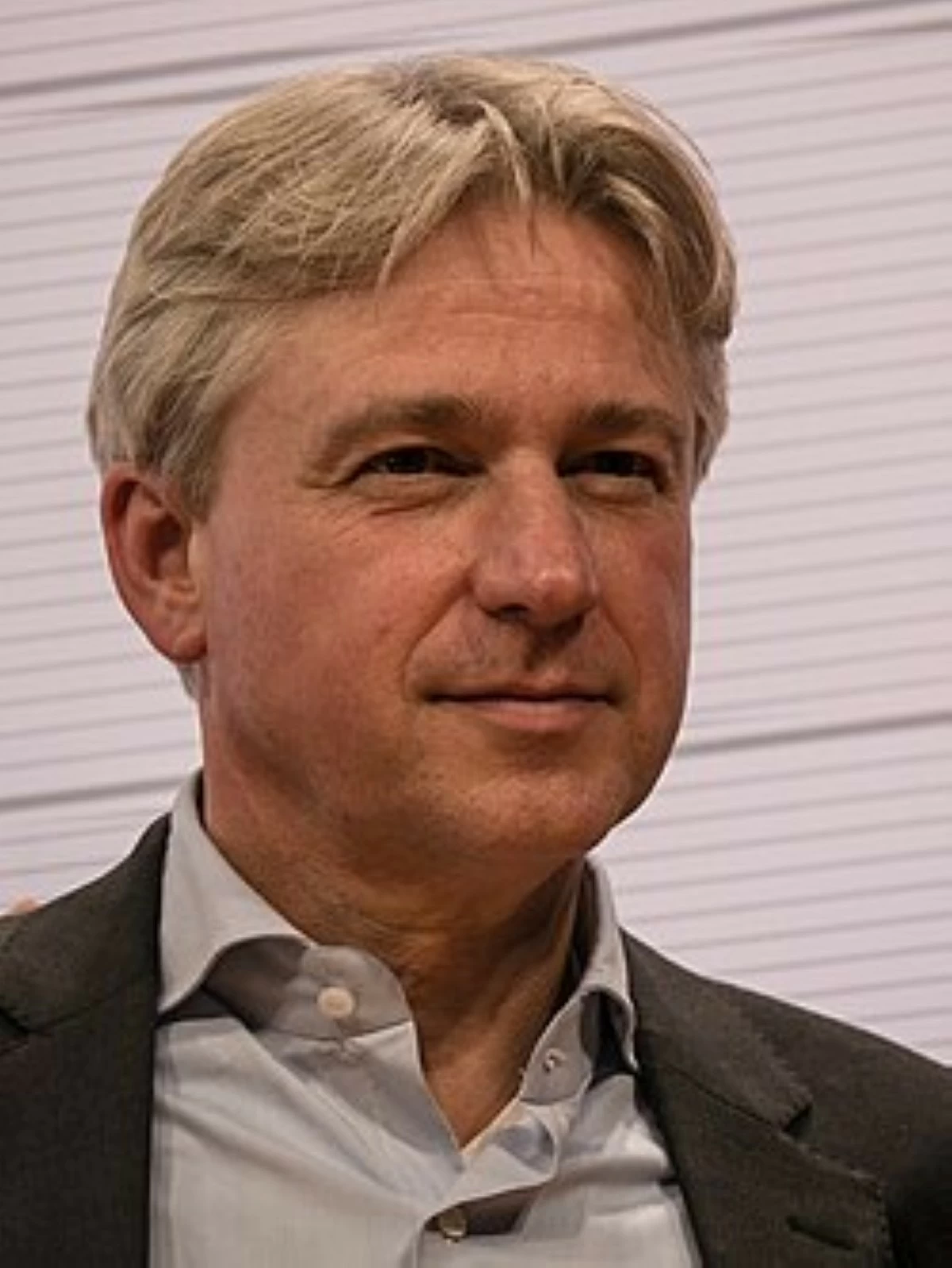
ON THE FOREFRONT Frankfurt Book Fair CEO Juergen Boos
What does it mean to be the Guest of Honor at the Frankfurt Book Fair?
The Frankfurt Book Fair—in German Frankfurter Buchmesse, as it is called worldwide—is the leading international event in the world of books and media. Our book fair is a non-governmental organization and it is both a trade fair and a huge literary festival. Translation rights for books are being sold and acquired by literary agencies and publishers, respectively. On the weekend, thousands of literature fans roam the halls, attending readings and talks, and getting their books signed by their favorite authors.
Our mission is to offer a platform for the international publishing industry to conduct business and bring authors and readers together. Every year, people from more than 100 countries come together in Frankfurt to connect and exchange ideas in peace and security, despite a tense world situation. It goes without saying that many differing viewpoints and opinions come together each fall—especially in the light of the ongoing geopolitical conflicts worldwide. However, since its very beginning 500 years ago, our book fair has been an important platform and meeting place for peaceful and democratic discourse.
Our Guest of Honor program first took place in 1976. Since then, a guest country has been featured every year at the fair. Being the Guest of Honor is a huge opportunity. The region’s literature and culture take center stage in the Guest of Honor Pavilion and during numerous events at the fair. The program’s goal is to expand the international network of the guest country’s publishing and creative sectors and to increase the number of book translations. It also encourages German and international readers to meet authors and discover books from a region they might not otherwise be familiar with. So it offers a great opportunity for Filipino publishers, authors, and illustrators to expand their audience.
Before the start of the Guest of Honor preparations, Philippine literature and culture have not been very well-known here in Germany, so it will be very exciting to welcome the more than 100 Philippine authors, illustrators, and creative people coming to Frankfurt in October to meet international publishers and German readers in order to share their work and insights into Philippine culture with them. Since autumn last year, 30 publishing houses in Germany, Switzerland, and Austria have published 60 books from the Philippines that have been translated into German. And in the cities of Berlin, Frankfurt, and Heidelberg, the accompanying cultural program has already kicked off. Among many other activities, exhibitions will show Filipino film, art, and architecture, concerts by the Philippine Madrigal singers will take place and further tours, workshops and even karaoke events invite the German public to learn more about Philippine culture, lifestyle and history. I am very happy to see Filipino literature, arts, and culture becoming so visible here in Germany.
What was the decision-making process like in deciding that the Philippines should be the Guest of Honor for this year?
Any country or region can apply to be the Guest of Honor. We’ve had a wide variety of guest regions in the past, ranging from very big publishing markets and countries like France, Spain, Brazil, and India to smaller ones like Georgia and Slovenia. Usually, the country’s publishers’ association approaches the book fair years in advance and submits an application. In-depth discussions are held about the necessary requirements. These include an up-and-coming publishing and creative sector, a translation promotion program, a sufficient budget, and organizational structures for realizing the program. Ultimately, the book fair chooses the Guest of Honor in consultation with the Supervisory Board of the German Publishers and Booksellers Association. A contract between Frankfurter Buchmesse and the Guest of Honor then seals the partnership. It is usually signed well in advance before the Guest of Honor presentation, allowing for the necessary planning on both sides.
I am very excited that the Philippines will be the guest country this year; it will be our second Guest of Honor from Southeast Asia at the fair. With so many different languages spoken on its numerous islands, the country’s diversity is just one of many aspects that make Philippine literature and culture so appealing. The Guest of Honor presentation offers a great opportunity to showcase the importance and power of storytelling for Philippine civil society. Inspired by a line from Jose Rizal’s novel “Noli Me Tangere,” the Philippine Guest of Honor team chose the motto, “The imagination peoples the air,” for the Guest of Honor program in Frankfurt.
Which Filipino stories do you think would resonate the most with Germans and Europeans present at the fair?
The Philippine Guest of Honor team has put together a diverse program of more than 60 literary events and 30 performances in the Guest of Honor Pavilion alone to present Filipino authors in Frankfurt. Further events aimed at publishing professionals will be taking place at the Philippine stands and on other stages at the fair. From what I’ve seen so far, the themes and genres presented on the fair’s stages will range from postcolonialism, independence, and literary perspectives, from the diaspora to queer literature and climate fiction. There will also be numerous events dedicated to comics and graphic novels, and even a FlipTop event.
I think the German and European audience will take this all in with great interest. Everyone is eager to learn more about Filipino culture in general and how important Heidelberg, where Jose Rizal wrote “Noli Me Tangere,” is for the Philippines. Also, the German and European audience is quite interested in Philippine societal developments and current affairs. Also, quite a few comics and graphic novels from the Philippines have already been published in Germany, so I’m sure there will be a big interest in that genre, too. But we have found in the past that the Guest of Honor program always throws up something unexpected and surprising, which becomes the talk of the fair, so I’m looking forward to making my own discoveries next month too.
Which German stories do you think Filipinos would find intriguing?
This is a tricky question. I know that German classics are often popular abroad, including in the Philippines, but if you would like to dive into contemporary German-speaking literature, a few titles that have been recently been translated into English and traveled with us to international book fairs come to my mind: “The Café with No Name” and “The Granddaughter” by renowned best-selling authors Robert Seethaler and Bernhard Schlink, for instance. “Brothers and Ghosts” by Khuê Pham and “Djinns” by Fatma Aydemir are two great books by younger German voices that offer insights into the current German society, while Uwe Neumahr's “The Writers’ Castle: Reporting History at Nuremberg” dives deep into German history.
Are there any plans for future cultural exchanges between Germany and the Philippines?
One of the key things about the Guest of Honor program is that it’s not only about what happens during the five days of the fair. It’s about shining a light on a country or region that drives business opportunities for the guest country. The connections and contacts made during the preparation period and the presentation in Frankfurt usually have long-lasting effects from which the guest country’s publishing industry can benefit for years to come. So, we look forward to future book releases and cultural exchanges with the Philippines.