






The Registry of the International Criminal Court said that the medical officer in its detention facility “does not possess the requisite expertise or judicial knowledge” to assess whether former president Rodrigo Duterte is fit to stand trial.
Manila Bulletin
 Philippines
National
ICC says its medical officer can't assess FPRRD's fitness to stand trial
Philippines
National
ICC says its medical officer can't assess FPRRD's fitness to stand trial
Philippines
National
ICC says its medical officer can't assess FPRRD's fitness to stand trial
ICC says its medical officer can't assess FPRRD's fitness to stand trial
Published Oct 2, 2025 12:03 pm
|
Updated Oct 2, 2025 01:42 pm


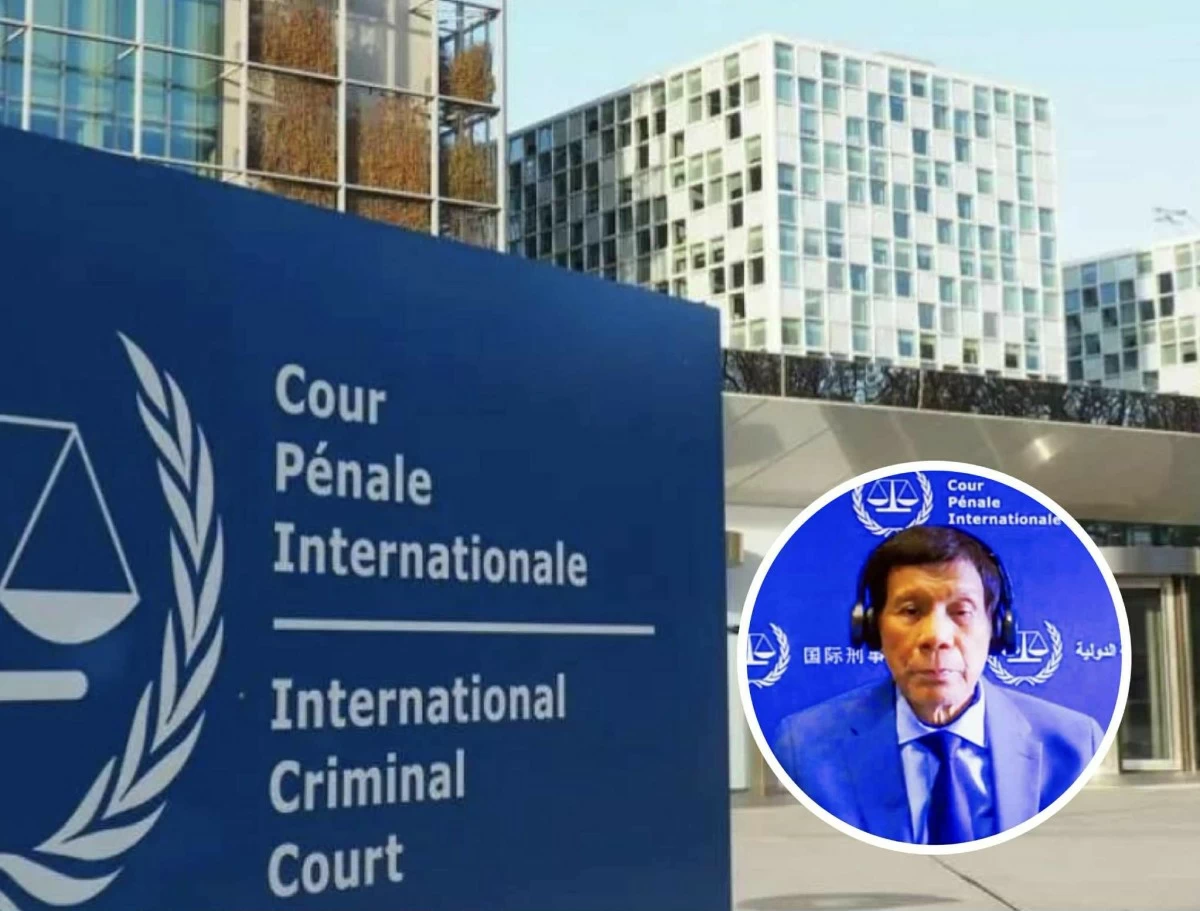
Former president Rodrigo Duterte in the custody of the International Criminal Court in The Hague, Netherlands, following his March 11 arrest on a warrant accusing him of crimes against humanity. (ICC Photos)
“For the confirmation hearing, the MO may provide limited observations regarding the appropriate length of the confirmation hearing schedule,” the eight-page document made public on Sept. 30 on the ICC’s website said.
“With respect to any long-term adjustments to hearing arrangements regarding a detained person capacity to follow and take part in judicial proceedings, and any adjustment to so follow and take part therein, such matters fall outside the MO’s mandate and require assessment by an appropriately qualified expert (i.e., on fitness to stand trial),” it furthered.
The observation came after the ICC’s pre-trial chamber ordered the Registry for a report from the medical officer regarding the Duterte camp’s request for an “indefinite adjournment” of all legal proceedings against the former president because he “is not fit to stand trial as a result of cognitive impairment in multiple domains.”
The defense also argued that Duterte’s “condition will not improve.”
The Registry explained that the medical officer’s mandate is limited to the management of the detained person’s physical and mental health, and that the officer may only inform the chief custody officer if the physical or mental health of a detained person “has been or will be adversely affected by any condition of or treatment in detention.”
Part of the medical officer’s mandate is also to, in “limited circumstances,” inform the chamber if a detained person is unwell and will be unable to attend a hearing, and provide observations “on the length of sitting schedule and/or physical modalities (such as attending online, chair’s adjustment, etc.) based on general health condition of a detained person.”
Instead, the Registry said that it can recommend a list of qualified experts “who may be called upon to provide services to any organ of the Court or to participate in Court proceedings.”
“For the purpose, then, of implementing paragraph 3(b) of the Order, the Registry stands ready to provide the Chamber with a shortlisted curriculum vitaes of suitable experts from this list in line with the Chamber’s requirements, for its consideration, should the Chamber so decide,” it added.
Duterte’s camp argued that the former president is suffering from cognitive impairment, which makes him unfit to stand trial for the charges of crimes against humanity of murder in relation to his administration’s brutal drug war.
The confirmation of charges hearing—originally set for Sept. 23—was postponed by the pre-trial chamber following this defense’s claim.
The defense is also seeking for an interim release for the former president to an undisclosed country, or to The Netherlands.
On Wednesday, Oct. 1, the Senate adopted a resolution urging the ICC to place the former chief executive under house arrest on grounds of humanitarian considerations.