







Breast Cancer Awareness Month: Every story is unique, every journey matters
Published Oct 2, 2025 12:01 am
|
Updated Oct 1, 2025 04:36 pm


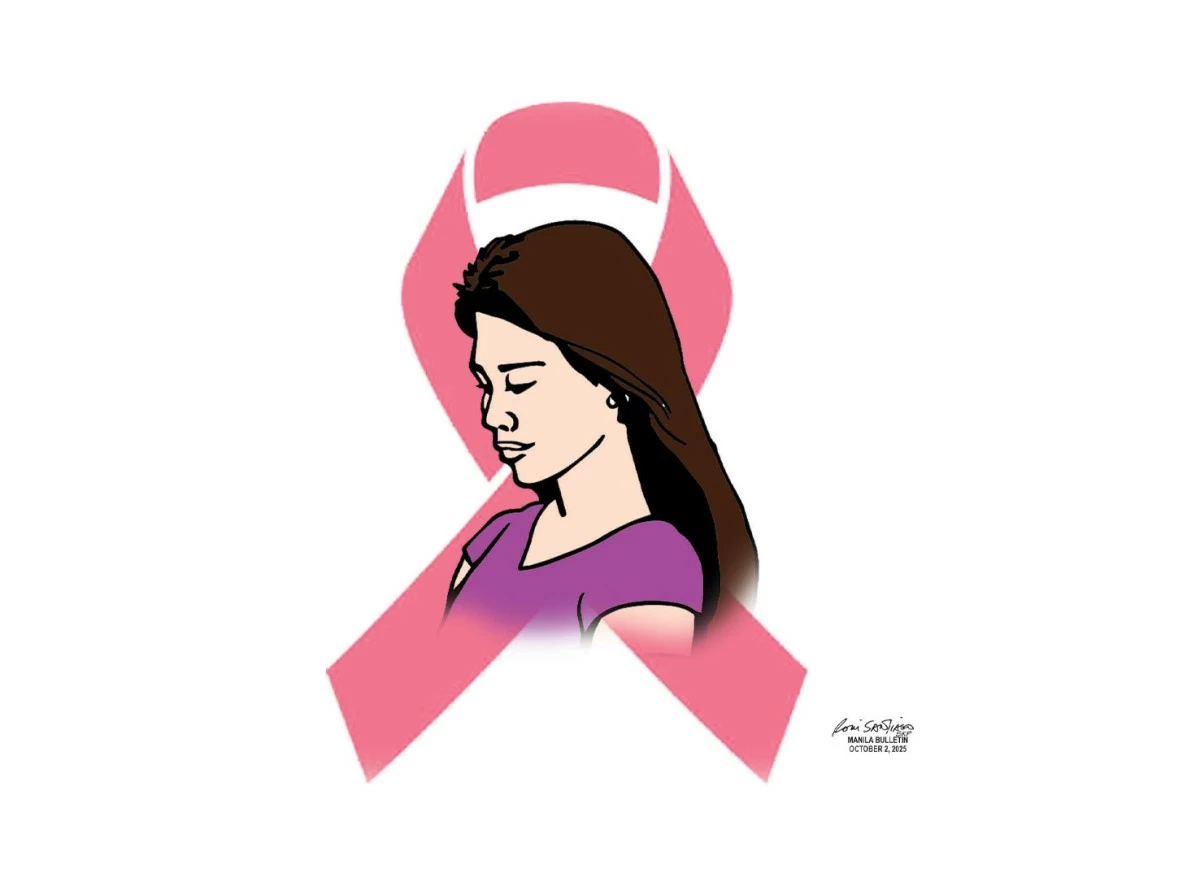
Every October, the world unites in recognizing Breast Cancer Awareness Month—a global movement dedicated not only to spreading awareness, but also to saving lives through early detection and equitable access to treatment. The theme for 2025, as chosen by the lead organization, World Health Organization (WHO), is “Every story is unique, every journey matters”—a reminder that behind every breast cancer diagnosis is a personal story of courage, struggle, and hope.
Globally, breast cancer remains the most commonly diagnosed cancer among women. In 2022 alone, an estimated 2.3 million women were diagnosed and 670,000 died of the disease. Breast cancer does not discriminate—it affects women of all races, ages, and income levels, in every corner of the world. And yet, where a woman lives still determines whether she survives.
In high-income countries, five-year survival rates exceed 90 percent, because of early detection and access to timely, effective treatment. But according to the WHO, survival drops to 66 percent in India and just 40 percent in South Africa—a reflection of unequal access to cancer care. If current trends continue, breast cancer incidence and mortality are projected to rise by 40 percent by 2050, prompting the WHO to call for urgent, coordinated global action.
The WHO launched the Global Breast Cancer Initiative (GBCI) in 2021 with ambitious targets that is known as the 60-60-80 strategy. Detect 60 percent of cases at early stages (Stage I or II); ensure diagnosis within 60 days of symptom recognition; and have 80 percent of patients complete recommended treatment.
In the Philippines, breast cancer is one of the leading causes of death among Filipino women, claiming approximately 11,857 lives annually—or about 32 Filipinas each day. Despite awareness campaigns, late diagnosis remains prevalent, especially in underserved communities.
There are many private sector organizations that espouse this advocacy. One of them, the Philippine Cancer Society (PCS), has the ACT NOW (Access to Cancer Treatment Now) campaign which was launched in 2023. The initiative provides mobile cancer screening services—focusing on breast, cervical, and prostate cancers—and has so far screened over 18,000 individuals nationwide.
ACT NOW also implements a “30-Day Screening to Treatment” model, significantly cutting down the time between diagnosis and care. This is supported by the PCS Patient Navigation Program, which guides patients through every stage of their cancer journey.
The program continues to evolve, with plans to integrate AI-assisted screening technologies for even faster and more accurate diagnoses. This innovative step aligns closely with WHO’s GBCI framework and shows promise in reducing cancer mortality nationwide.
Other groups like the ICanServe Foundation have also been instrumental in advancing breast cancer advocacy. Their Ating Dibdibin program promotes early detection, diagnosis, and treatment, supported by data infrastructure that helps local governments monitor and improve care delivery. This is in line with the National Integrated Cancer Control Act (NICCA), which mandates a comprehensive national framework for cancer prevention and care.
Public-private partnerships have contributed much to breast cancer awareness and treatment. Many organizations have collaborated with the government to deliver evidence-based, accessible, and affordable cancer care.
As we commemorate Breast Cancer Awareness Month, let us not lose sight of what’s at stake. Each life lost to breast cancer is a life that might have been saved with early detection, timely diagnosis, and proper treatment. But this requires collective action—from policymakers and health professionals, to society and every individual.
Working on the theme, let the many stories about breast cancer survival be told and retold to encourage actions that lead to early detection – and to survival.
Every story is unique. Every journey matters. And together, we can ensure that no Filipino woman is left behind in the fight against breast cancer.