







BARMM respects SC decision to postpone polls
pARL
Published Oct 2, 2025 06:17 pm


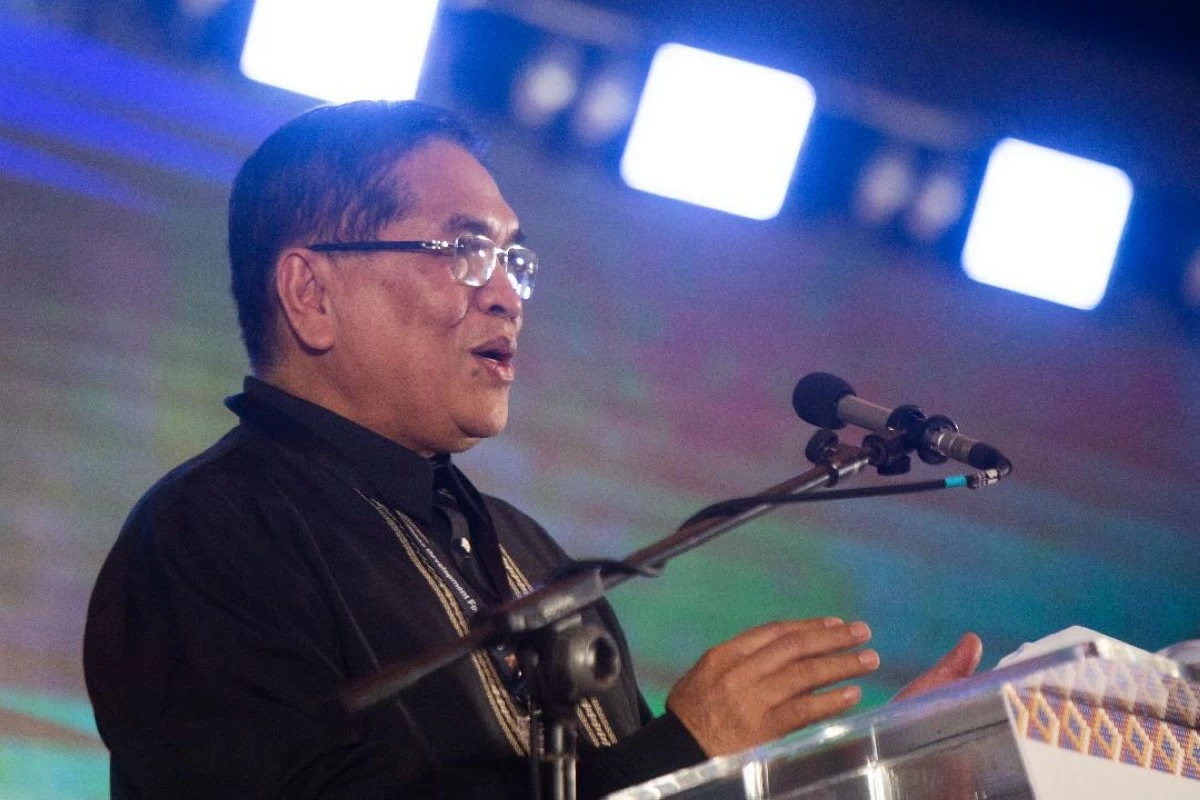
MACACUA (Keith Bacongco)
DAVAO CITY – Bangsamoro Autonomous Region in Muslim Mindanao (BARMM) interim Chief Minister Abdulraof Macacua said they respect the Supreme Court decision that effectively postponed the first parliamentary polls for the third time.
While they are saddened by the rescheduling of the historic polls, Macacua assured that they will sort out issues to ensure meaningful representation among its people.
On Monday, the Supreme Court ruled that the two laws — Bangsamoro Autonomy Act (BAA) 58 which created the 32 parliamentary districts and BAA 77 or the redistricting law — are both unconstitutional.
“Bangsamoro Autonomy Act No. 77 is declared unconstitutional and the injunction against it is made permanent. Respondents, Bangsamoro Transition Authority (BTA) and the Comelec (Commission on Elections), are enjoined from conducting any activity relating to the enforcement of BAA 77,” Supreme Court spokesperson Camille Sue Mae L. Ting announced on Wednesday, Oct. 1.
This ruling effectively postponed the first Bangsamoro Parliamentary Elections (BPE), which was set on Oct. 13, for the third time but not later than March 31, 2026.
The Supreme Court also directed the BTA to “immediately undertake by Oct. 30, 2025 at the latest” the passage of a new law for the 32 parliamentary district seats in the first Bangsamoro Parliamentary Elections “in strict compliance with the priorities and requirements provided to the Bangsamoro Organic Law, as well as the criteria laid down in this decision.”
“This period grants us the opportunity to strengthen the integrity of our democratic process. It allows us to ensure that our inaugural elections will be conducted with full constitutional and legal fidelity, thereby safeguarding the political rights and aspirations of the Bangsamoro people,” he said in a statement released on Thursday, Oct. 2.
Macacua assured that the Bangsamoro government will comply with the court’s directive.
“The Bangsamoro government will immediately work to enact a new redistricting law that ensures meaningful representation, advances equitable development, and stands firmly on constitutional grounds.”