







Tiu Laurel: ASEAN to seek expanded US tariff exemptions
Published Oct 1, 2025 02:36 pm


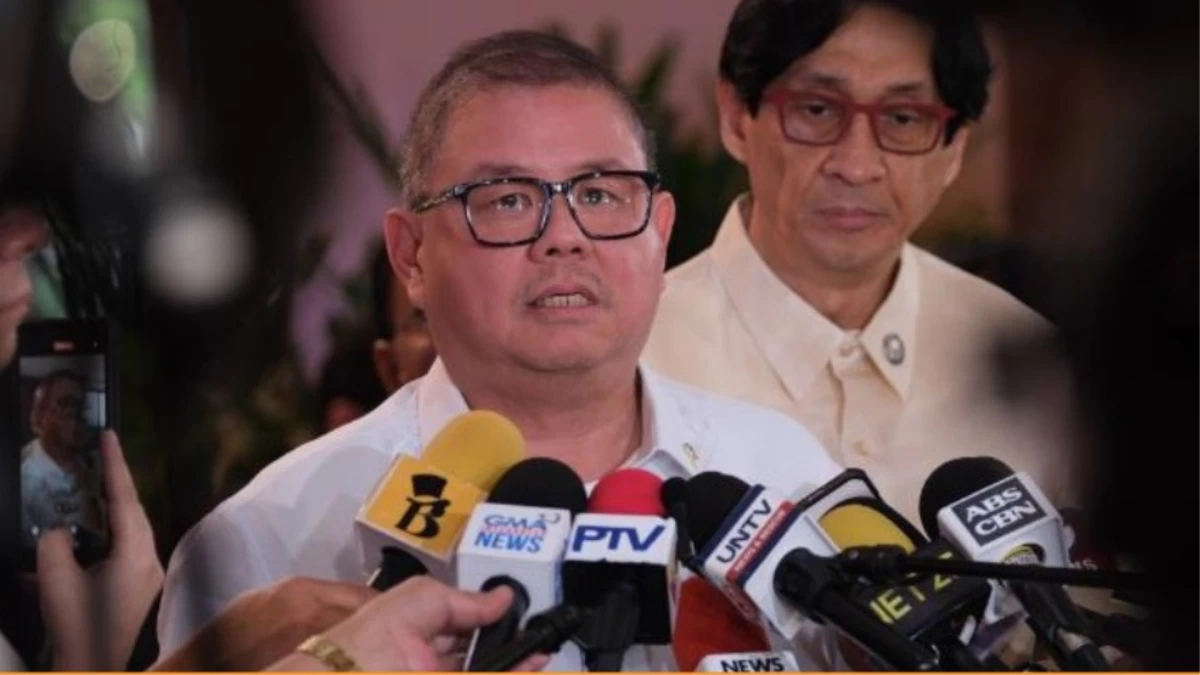
Francisco Tiu Laurel
The agricultural ministers of the Association of Southeast Asian Nations (ASEAN) are looking to secure additional exemptions on certain agricultural products facing reciprocal tariffs from the United States (US), according to Agriculture Secretary Francisco Tiu Laurel.
Tiu Laurel, appointed as chair of the 47th ASEAN Ministers on Agriculture and Forestry (AMAF) held in Manila, said the critical meeting will help affirm the region’s agenda on food security.
The AMAF Meeting also aims to address regional issues related to climate change, forestry management, sustainable agriculture, and agricultural trade and investment.
In terms of trade, Tiu Laurel said the reciprocal tariffs imposed by the US will unlikely be the main concern among agricultural chiefs of the 10-member bloc.
He noted that the implementation of the tariffs last Aug. 7, essentially placed every member country on a level playing field.
To put it into context, the Philippines’ 19 percent tariff is on the same level as those of Indonesia, Malaysia, and Thailand, with other neighboring countries within the same range.
“The tariff that has been imposed on us and the ASEAN members is almost equal,” said Tiu Laurel in a chance interview on Wednesday, Oct. 1.
“But of course, we’re here to hopefully find ways to negotiate with America,” he explained.
Tiu Laurel said during his meeting with the US-ASEAN Business Council on Tuesday, potential tariff exemptions for the region were presented.
“Yesterday, the US delegation mentioned that there might be certain exemptions on the imposed tariffs, and that's part of what we'll look for during this meeting,” he said.
Asked about this matter, Agriculture Assistant Secretary Arnel de Mesa said the proposed exemptions will still undergo evaluation among ASEAN members.
“There are more, but they are still subject to discussions, so we cannot disclose them yet,” said De Mesa.
Based on a document released by the White House last month, which detailed new tariff exemptions, coconut products are among the goods that will no longer face tariffs moving forward.
The list included coconut derivatives in various forms, such as oil, desiccated meat, as well as fresh and raw varieties.
Despite these exemptions, the United Coconut Association of the Philippines (UCAP) stated that this would not influence a potential increase in export revenues, as the removal of tariffs would only maintain the current status quo.
UCAP expects the industry’s revenues next year to grow as much as 15 percent to $3 billion but due to favorable weather conditions yielding higher harvests. Coconut products are the Philippines’ top agricultural exports.
Aside from coconut products, other exempted items include varieties of nuts, flour, coffee, cocoa, spices, and fruits such as bananas, pineapples, avocados, guavas, and papayas, among others.
During the AMAF Meeting, Tiu Laurel said ASEAN will look to enhance trade and cooperation between member countries, leveraging each nation’s production strengths.
For the Philippines, the secretary said he will also explore potential agreements that would widen access to the country’s agricultural goods.
Looking ahead, De Mesa said the Philippines will host an international agricultural mechanization forum next year, coinciding with the country’s chairmanship of the ASEAN Summit.
By 2028, he said, the country will also host the Asia Pacific Regional Conference, further pushing the country’s strong leverage in agriculture and forestry.
De Mesa, also the DA’s spokesperson, said leading these meetings will help position the country’s agricultural products at the center of the global stage.